
Booking a flight is an exercise in high-stakes decision-making. For the customer, it’s a significant purchase filled with dozens of micro-decisions, from dates and times to seat selection and baggage allowances. For an airline, it’s a complex, multi-stage transaction where the smallest point of friction can lead to an abandoned booking and a substantial loss of revenue. Unlike a simple e-commerce purchase, the path from searching for a flight to completing a booking is a long-haul journey in itself.
In this environment, relying on assumptions is a recipe for failure. The color of a CTA button, the order of ancillary services, or the way fees are presented can have an outsized impact on conversion rates. This is why a culture of systematic experimentation isn’t just a “nice-to-have” for airlines; it’s the most effective way to navigate the complexities of the user journey, de-risk critical design decisions, and build a digital experience that turns lookers into bookers, and bookers into loyal customers. It’s about replacing guesswork with the certainty of data, ensuring every change is a step toward a smoother, more profitable customer experience.
The high-friction world of airline UX
An airline website is not a typical e-commerce store. It’s a sophisticated platform balancing user needs, complex business rules, and ancillary revenue goals. A seamless User Experience (UX) here requires a deep understanding of the unique pressures and priorities of the travel booker. Key considerations include:
- Clarity in search and filtering: The journey begins with a search. Users need to effortlessly filter by dates, stops, airlines, and times. As Spanish travel agency Iberojet discovered, even the initial presentation of search options can have a major impact. They questioned the order of their homepage tabs: “Holiday Packages” vs. “Travel Circuits and Long-Distance Trips.” By running a simple A/B test that swapped the order based on user browsing history, they increased clicks on the “Search” button by a staggering 25%. This shows that getting the very first interaction right is critical.
- Transparency in pricing: Nothing erodes trust faster than hidden fees. A modern airline UX presents all costs—from baggage fees to seat selection charges—in a clear and upfront manner. The goal isn’t to hide the costs, but to integrate them so seamlessly into the flow that the user feels informed, not ambushed.
- A mobile-first imperative: More and more travelers are booking complex trips entirely on their mobile devices. This demands a responsive, thumb-friendly design where every step, from entering passenger details to selecting a seat on a detailed map, is intuitive on a small screen.
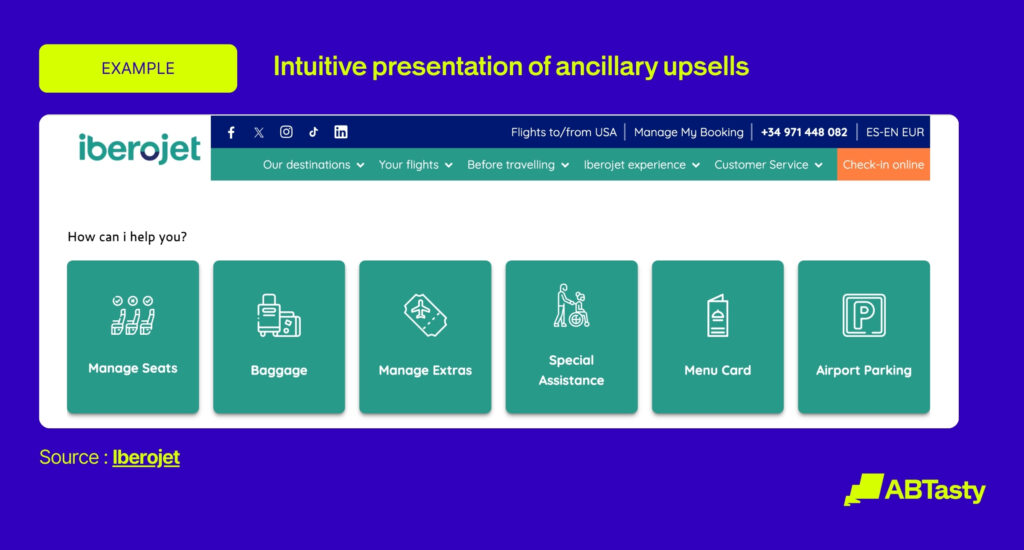
- Intuitive ancillary upsells: Baggage options, seat upgrades, and travel insurance are crucial revenue drivers. However, if presented aggressively or confusingly, they become a major point of friction. The best experiences integrate these upsells as helpful, well-timed suggestions rather than mandatory hurdles. A cluttered page that forces users to opt-out of multiple insurance offers feels frustrating, whereas a clean interface that clearly explains baggage options at the right moment feels helpful.
De-risking design with systematic experimentation
Every proposed change to a booking flow is a hypothesis. Does this new layout simplify seat selection? Does this revised copy clarify baggage rules? Experimentation is the process of testing these hypotheses with real users before committing to a full rollout.
A/B testing
This is the workhorse of experimentation. It involves testing one change at a time (e.g., a green “Book Now” button vs. a blue one) to see which performs better against a specific goal, like booking completion rate. It’s simple, direct, and provides clear answers to specific questions. A great example from the vacation package industry comes from Smartbox. They hypothesized that a more prominent “Add to Cart” button would drive more sales. By testing a bright pink CTA against their original aqua one, they saw a 16% increase in clicks. The principle is the same for airlines: small visual changes can yield significant results.
Multivariate testing
This approach allows you to test multiple changes at once. For example, you could simultaneously test two different headlines, three different banner images, and two different CTA buttons to see which combination performs best. This is ideal for redesigning a complex section, like the ancillary services page, where multiple elements interact. Its power lies in not only identifying the best-performing individual elements but also understanding how they influence one another.
Personalization experiments
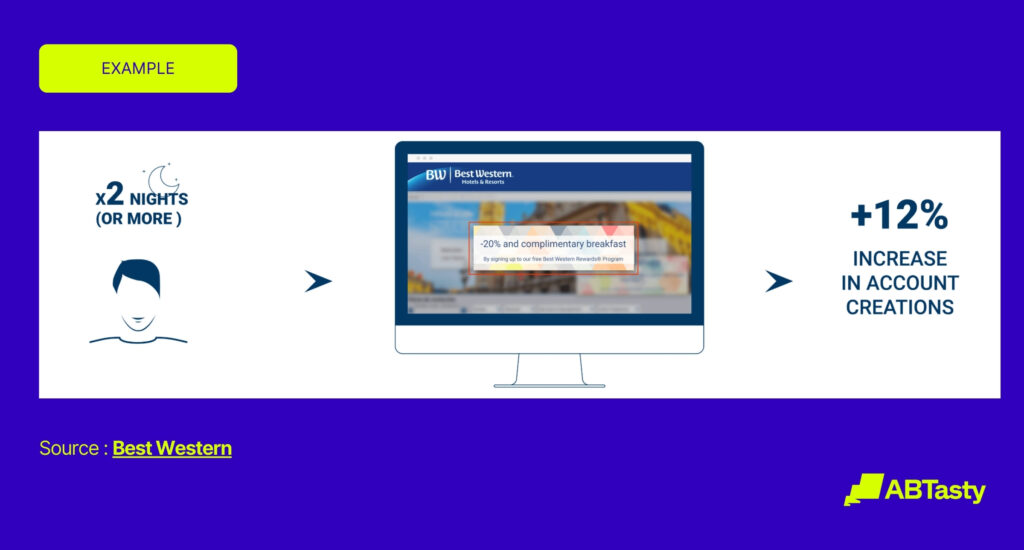
Not all travelers are the same. A frequent flyer logged into their loyalty account has different needs than a first-time visitor booking a family vacation. Personalization involves tailoring the experience to different user segments. For example, Best Western Hotels & Resorts ran a personalization campaign targeting anonymous visitors looking for a multi-night stay. By showing them a pop-up with a special offer available only to loyalty members, they increased program sign-ups by 12%. Airlines can use the same logic to offer targeted promotions to frequent flyers, pre-fill information for logged-in users, or simplify the interface for new customers.
Navigating the challenges of airline experimentation
While incredibly valuable, running experiments on a high-traffic airline website comes with its own set of challenges:
- Minimizing disruption: A poorly implemented test can introduce bugs or slow down the site, directly impacting revenue. Rigorous quality assurance and phased rollouts are essential to avoid disrupting the booking process for thousands of users.
- Complex technical environment: Airline websites are often a web of internal systems, third-party APIs (for everything from payment to loyalty programs), and global distribution systems. Implementing a test that touches multiple systems requires careful planning and deep technical expertise. A test on the seat selection page, for instance, might rely on an external API for the seat map; if that API is slow, it could invalidate the test results.
- Measuring long-term impact: While it’s easy to measure the immediate impact of a test on bookings, measuring its effect on long-term loyalty or repeat business is more difficult. This requires a mature analytics setup and a commitment to tracking user cohorts over time to see if a winning variation today leads to more valuable customers tomorrow.
Recommendations: Building a culture of continuous improvement
To successfully navigate the turbulence of the online travel market, airlines should treat their website not as a static brochure, but as a dynamic product that is always evolving.
- Embrace an ongoing process: Experimentation should not be a one-off project. It’s an iterative, continuous loop of hypothesizing, testing, learning, and improving. The insights from one test should fuel the ideas for the next, creating a powerful engine for growth.
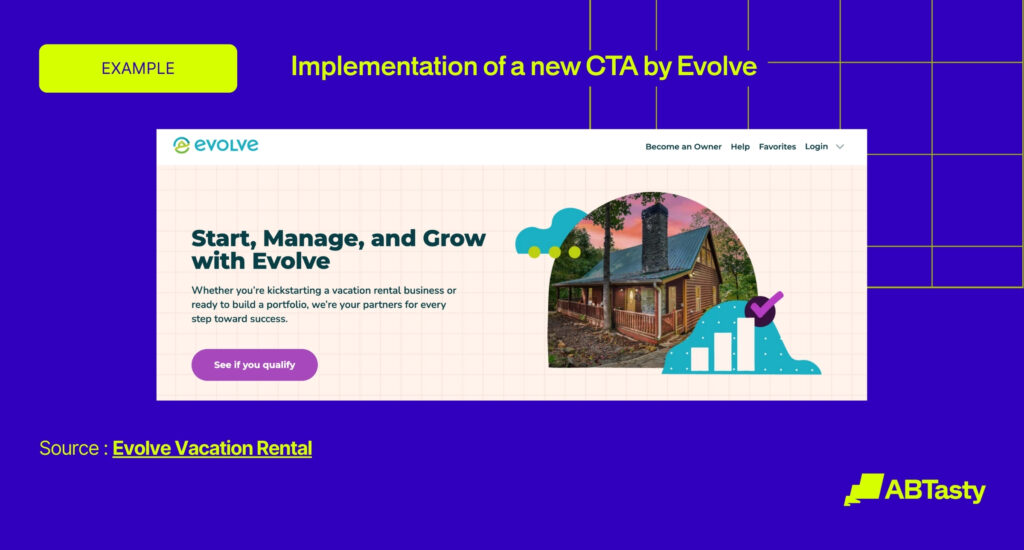
- Reduce guesswork with data: Use data-driven insights to inform every UX decision, from the grand redesigns down to the smallest copy change. A powerful example of this comes from Evolve Vacation Rental. By analyzing user intent from different traffic sources, they tested changing a CTA from “Start for Free” to “See if You Qualify.” This simple, intent-aligned copy change drove a 161% increase in conversions, demonstrating the immense impact of data-driven copywriting.
- Balance optimization with brand: While optimizing for conversion is critical, it must be balanced with the airline’s brand promise and regulatory requirements. The goal is a journey that is not only efficient but also reassuring, trustworthy, and compliant.
By adopting a disciplined, data-driven approach to UX and experimentation, airlines can move beyond simply selling tickets. They can design digital journeys that are smoother, more intuitive, and build the kind of trust that keeps passengers coming back.
Ready to find your better? If you’re looking to build a data-driven experimentation program that drives revenue and builds customer trust, we’re here to help. Talk to one of our experts today to start your journey.