

Buyer personas matter. Who can contest that? They bring you tête-à-tête with consumers. You get to know who they are and their preferences, resulting in marketing more efficiently to them. Simply put, you get bang for your buck! A Demand Gen report states that having buyer personas in place contributed to a 175% increase in Thomson Reuters’ revenue, a 10% increase in leads sent to sales, and a 72% reduction in lead conversion time. Incredible, you’d agree!
Want to ape their success? Start by making your customers feel you’re addressing them and them alone. For that to happen though, you’ll need more than demographic data. Simply put, you’ll need to start recording your customer’s psychographics.
What is Psychographics?
It’s the study of a consumer’s not-so-visible characteristics, such as their interests, activities, opinions, lifestyle, and attitude.
Qualitative data is highly valuable. You discover the real motivation behind why people love, as well as advocate for, a few brands. Keeping that in mind, you can alter your messaging to bridge the gap between you and them. You’ll forge a much deeper connection and hear your audience say: “This brand totally gets me!”
Why does this happen though? Because you treat them as individuals with a distinct personality, not as a number. By focusing on their inner drives, their problems and what will actually help them, you become relevant, increasing chances of conversion.
The Key Difference Between Psychographics and Demographics
Unlike psychographics, that concerns itself with the ‘why’ and ‘personal’ aspect of customers, demographics is about ‘who’ this person is, with a focus on quantifiable details like age, gender, ethnicity, employment status, marital status, income, etc.
Both are equally important to refine buyer personas, and when coupled with behavioral stats, can result in a better understanding of your audience.
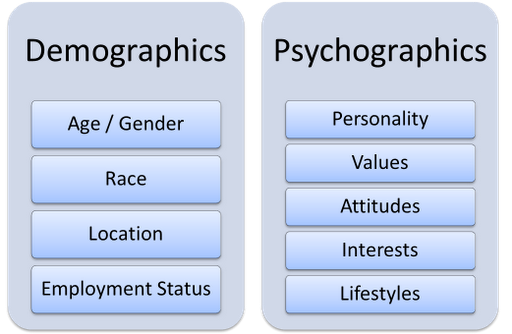
With a bit of ground covered, let’s shift focus to what psychographics deals with.
Types of Psychographics to Keep Your Eye On
Going back to the definition, psychographic profiling is done on what is known as the IAO variables, namely interests, activities, and opinions.
Interests
Interests center on a person’s curiosity about something and what they care about. For example, wildlife, theater, economics, climate change, etc. So target people based on what intrigues and fascinates them. They’ll respond much better to your calls-to-action.
Activities
This includes everything that people busy themselves with, such as gardening, hiking, bird watching, or reading, among a gazillion other things. With that knowledge, you can write content and use vocabulary that resonates with them.
Opinions
People form opinions as a result of their interaction with people around them, their socioeconomic status, personal experiences, etc. Clearly, you’ll need to keep their perspective in mind to influence them in your favor.
How Do You Gather Psychographic Data?
You go where you can find it!
Google Analytics
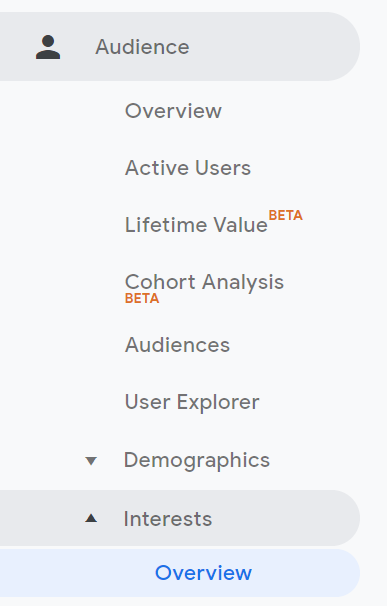
Click on Audience > Interests. Depending on variables already set as ‘secondary dimensions,’ you will know more about your audience. If not, click ‘add segment’ and track them.
Surveys and Questionnaires
Asking questions makes you stand out; you come across as a brand that’s concerned about its customers. What’s more, you get suggestions from people who’ve experienced your services/products. Who knows, you might come across common denominators you had no idea existed before. For example, if 10% of your customers follow a certain influencer, you can collaborate with them.
Personal Interviews
Have a conversation with your favorite client and in an effort to ‘get-to-know-them-even-better’, ask questions that’ll help you collect psychographic data. Not possible? Speak to people (from your social circle) who are somewhat ‘similar’ to your target audience.
Social Media Analytics
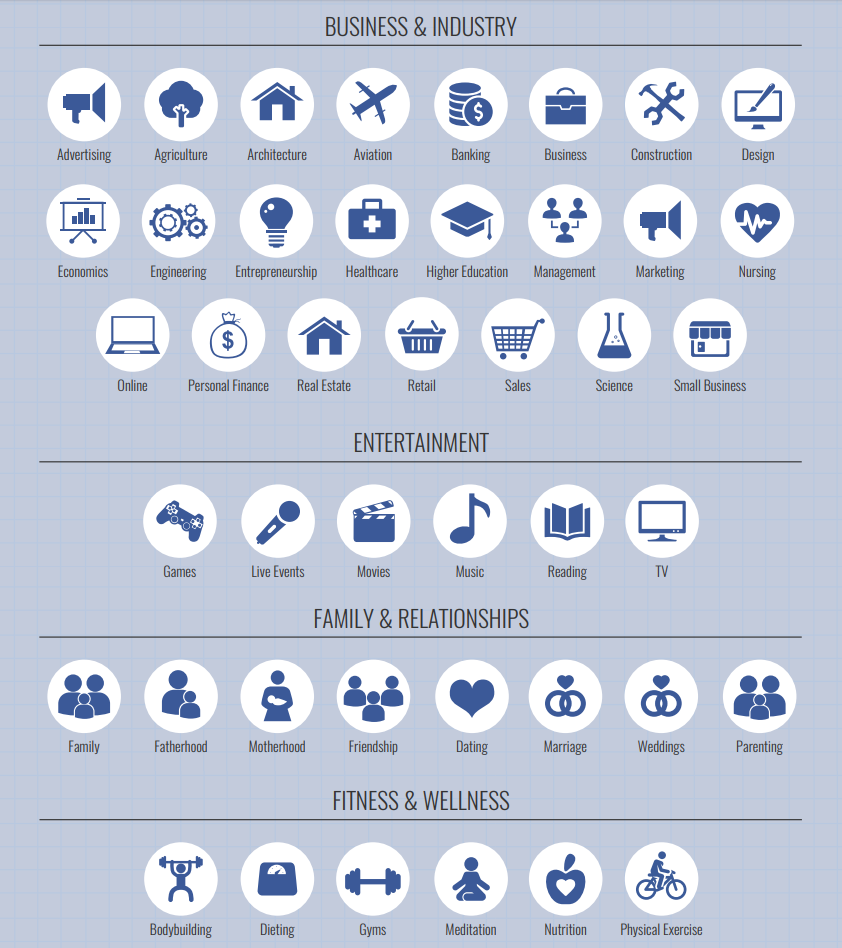
Head to the audience insights section to discover a wealth of information that people share. From their life events, hobbies, political opinions to interests and pages they like/follow, there’s a lot that can make a world of a difference in your next marketing campaign.
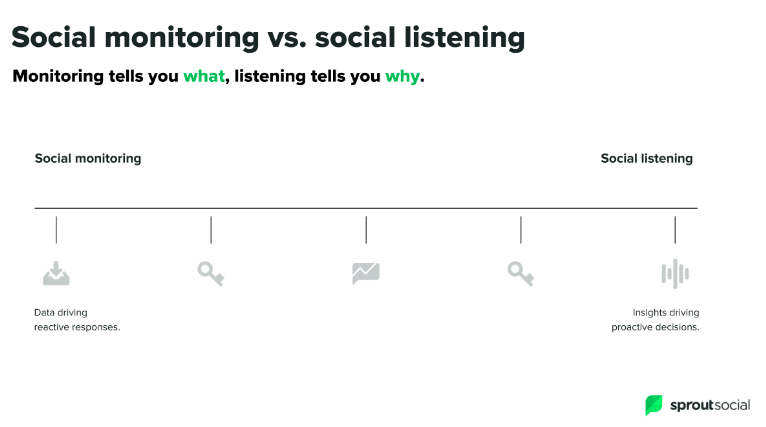
Additionally, social media listening can tell you how your competitors’ followers feel about them, which you can use to your advantage to differentiate yourself.
Sales and Customer Support Teams
Why talk to these teams? For the simple reason that they interact with your customers on an everyday basis. That alone makes them a perfect data source to help you get to know your prospects much better. Dig out the FAQs, the key phrases and words that customers use in reference to your brand or industry. This could be pretty useful in brainstorming ideas for your sales page, for example. Make their words yours.
How to Use Psychographics in Digital Marketing
#1: On Your Website
David Ogilvy famously said: ‘What you say in advertising is more important than how you say it.’ You’ll agree it makes a huge difference in how your audience perceives you. So to hit the nail on the head with your copy, you need to take the words right out of your customers’ mouths!
Joanna Wiebe of Copyhackers dug up reviews of six best-selling rehab and alcohol recovery books while researching how to write website copy for a rehab center. She picked phrases that gave her a peek into the minds of a recovering/recovered addict. This helped her understand their trajectory of thoughts, wants, and pains.
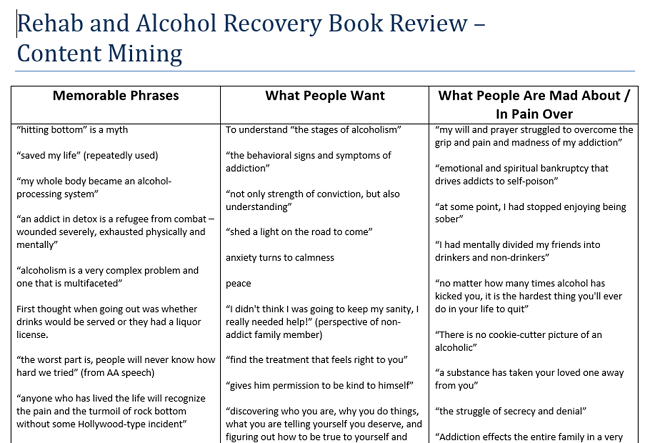
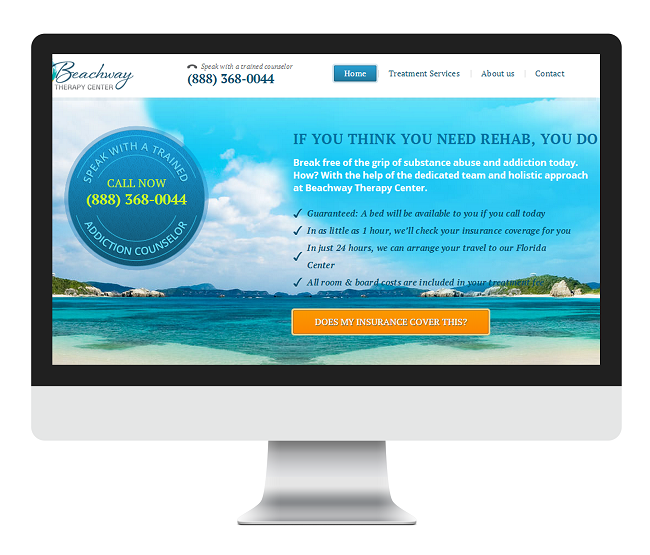
She then went on to use one direct quote from a reviewer as the headline. The payoff? 400% more CTA clicks and 20% more lead form submissions. Talk about the power of psychographics! Related: 10 Techniques To Build Lead Capture Forms.
#2: On Sales Pages
The purpose of a sales page is to convince people to take the offer on the table. But it won’t happen unless you know the actual problems your audience is facing.
Check out the sales copy by the Girl Gone Strong team. They use their target customer’s psychographics to create perfect sales copy. You’ll notice they’ve used the PAS framework. For those who don’t know, it stands for ‘Problem’, ‘Agitate’ and ‘Solution’ and here’s how it’s applied on their page:
Problem: Create a context with video on the first scroll.
Agitate: Go specific, highlighting ‘real’ problems: ‘seeing little to no results’, ‘restrictive dieting’, ‘body image issues’.
Solution: Overcome doubts with the guide created by women for women, backed by the recent finishers of the training program as well as fitness experts.
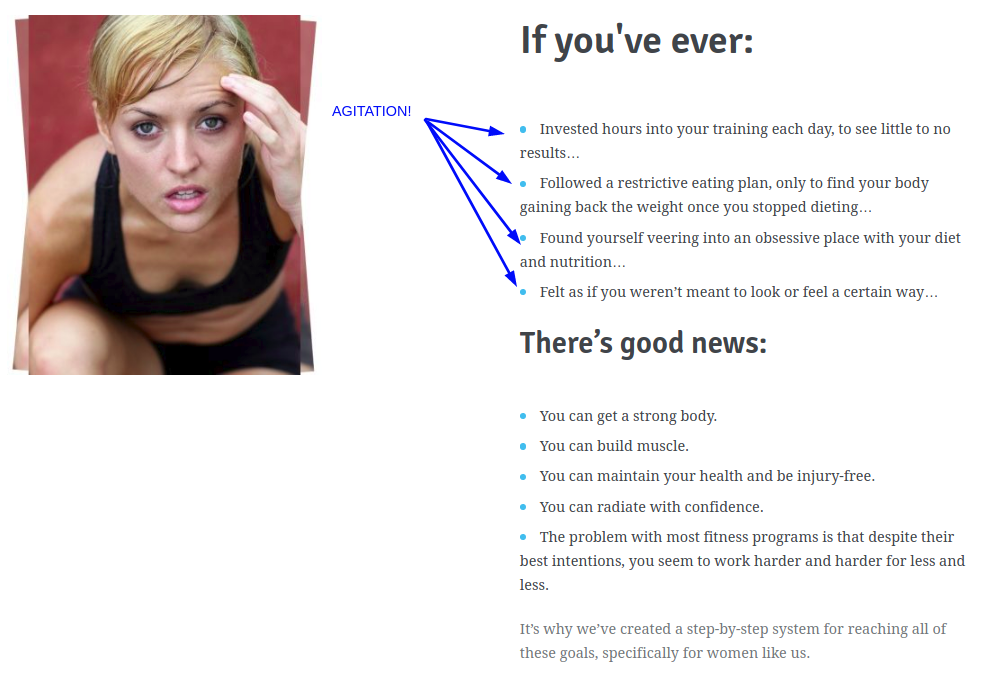
No matter the industry, you can implement the framework and make your audience’s challenges clear to them. Make them see the negative implication of being stuck in the rut before plugging your solution.
#3: On Your Blog
You know what they say about the benefits of having a business blog? All of it is true.
Today, 47% of buyers view 3-5 pieces of content before engaging with a sales rep. Yes, it’s a zig-zag path, but one that leads inevitably to you. Meaning, if you want them to come knocking on your door, your content must center around their interests.
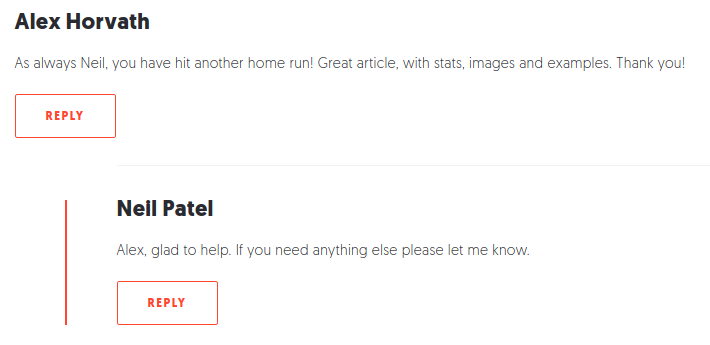
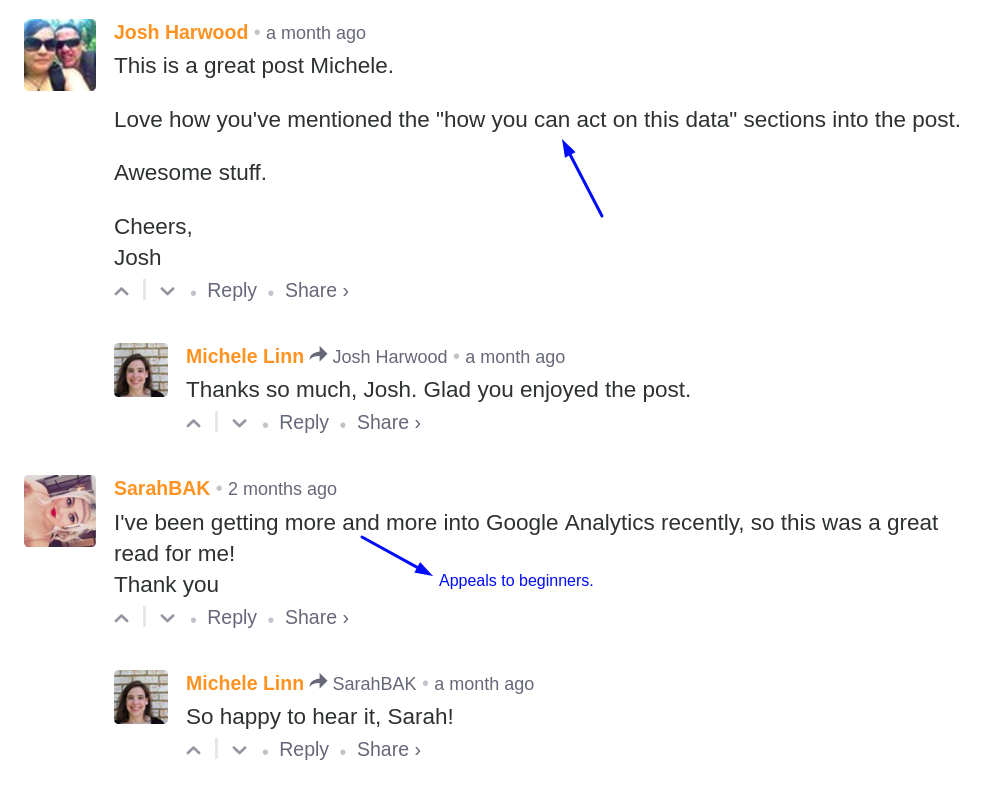
A perfect example is Neil Patel’s marketing blog. He understands his readers’ psychographics and addresses their burning points in the most simple, conversational and comprehensive manner possible. In fact, there’s content for people at all stages in the funnel, which makes him everyone’s go-to resource. His readers love him:
You, too, can generate this kind of admiration with your posts. Follow Brian Dean’s Skyscraper technique 2.0 which puts the user right in the center.
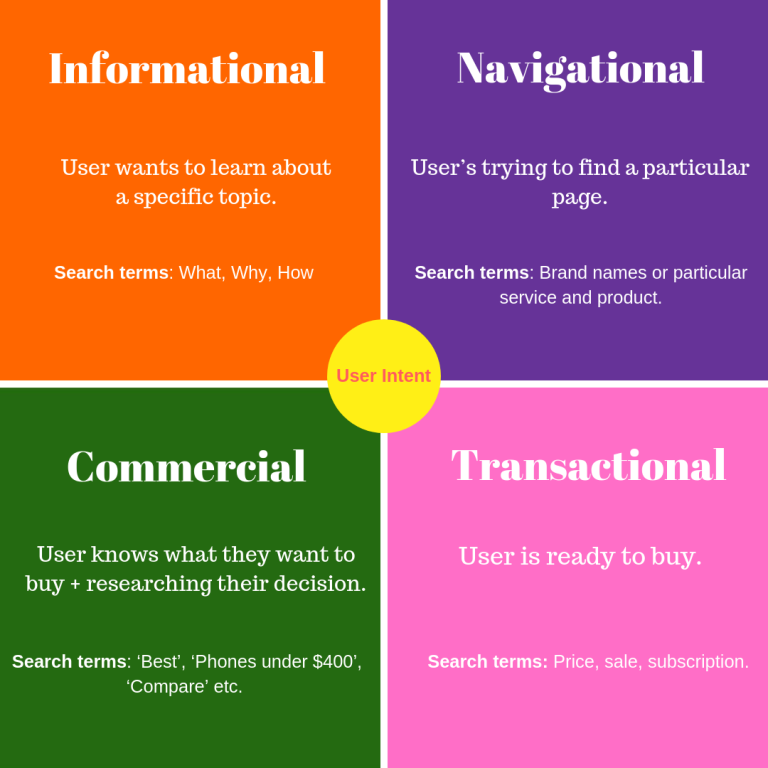
- Figure out user intent: Google the keyword you want to rank on and analyze the content of top-ranking posts.
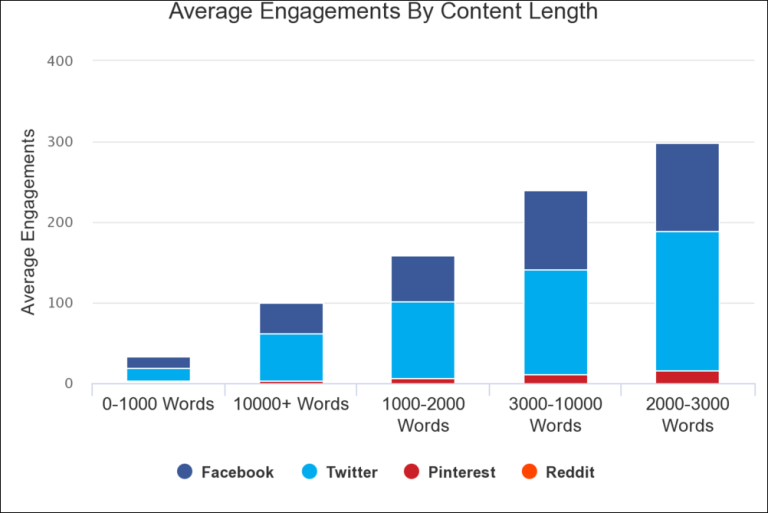
- Satisfy user intent: Write a long blog post if that’s the pattern you noticed in top results. Indeed, BuzzSumo partnered with Noah Kagan of OKDork.com to analyze 100 million blog posts and found that ‘people are more likely to share longer articles’.
- Optimize for UX: Prime your readers for an excellent experience on your blog. It begins with adjusting to the information-foraging audience and making your content skimmable. Nielsen’s research states that 79% of people scan web pages.
Additionally, read comments of your competitor’s top performing content. You’ll get a fair idea about what your audience thinks and worries the most about. Perhaps you will even get new content ideas that people are interested in!
#4: Create Hyper-Targeted Landing Pages
With psychographic data by your side, you can design and write conversion-optimized landing page copy. You’ll no longer rely on guesswork – rather, you’ll be sure of who this person is, and you’ll impress them with your on-point message. If you really hit your mark, you’ll even strike an emotional cord.
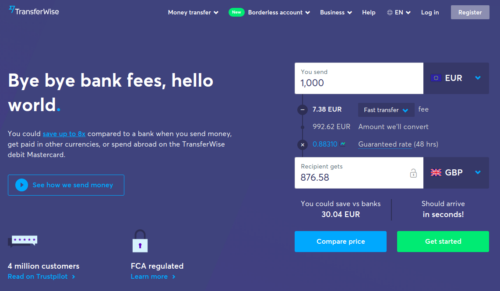
Check out the landing page below by TransferWise. With psychographic segmentation in place, they promptly address their customers’ biggest pain point in the headline. Then there’s an interactive calculator for convenience, plus real-time exchange rates for people to track. They also add social proof for reassurance’s sake because this is monetary transaction we’re talking about, after all!
#5: Write Better Ads
You’ve reached a point where you know psychographics works, so don’t let that data go to waste. Use it to write targeted, appealing ads. However, first, make sure you’re channeling your money and effort where your audience spends time. That way, you’ll be present at the right place and in front of the people who’ll actually ‘get’ and respond to your message.
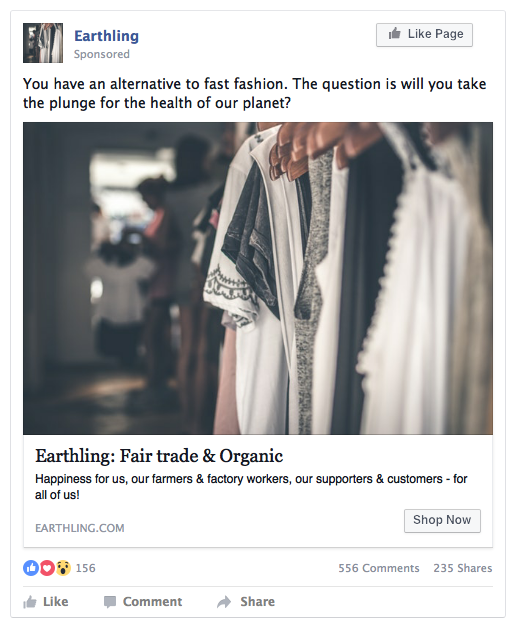
Let’s say you’re an eco-friendly, sustainable fashion label. You know your audience demographics is females between the ages of 25 and 40 in the US. Now, throw psychographic variables into the mix and your target audience will look like this:
Demographic:
- Female
- Age between 25 and 40
- Single/married
- Household income $60k-$100k
Psychographic:
- Interested in environmental issues and climate change
- Striving for a zero-waste lifestyle
- Shops from farmer’s markets
- Follows environmental activists and influencers
- Volunteers
See what a difference psychographic profiling makes? There’s no way this core audience won’t connect with you and help you achieve your ad (read: brand) goals!
#6: Email Marketing
Understanding the psychographics of your customers plays an important role in building an email list. That’s because the inbox is a sacred space and people won’t subscribe to you unless you promise to send them stuff that really interests them. Perhaps it’s time for you to become that brand people can’t wait to hear from, eh? Remember: The more people on your list, the more conversions you make.
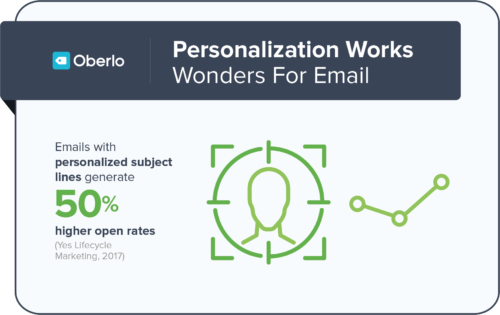
If you already have an incredible list of subscribers, then the challenge is in continuing to stay relevant to them – otherwise, you’ll see many leave. Psychographics can lead the way, telling you your audience’s needs, fears and expectations. This, in turn, will prep you to create highly personalized emails. A report states that marketers who used segmented campaigns noted as much as a 760% increase in revenue.
So go back to your past campaigns to learn why the messaging resonated with your audience. Then – repeat it. It’s likely going to lift open rates and engagement. Also, keep up with current trends to boost your email CTRs. Interactive emails, for example, are quite engaging. So think along those lines.
That’ll Be All For Now
Psychographics allows you to get into the head of your customers. And that alone makes it an important piece of data for marketers that want to create passionate brand subscribers. When used in combination with demographics, it opens up a whole new world of possibilities to stay relevant and interesting to your target audience and customers alike.
And while it’s true that mining psychographic insights is hard work, it’s the gains that make the whole process worth it. Once you have your hard-won data, apply it to your website, sales page, landing pages, ads and emails to create an in-sync omnichannel experience for your audience.
Over to you now. How else do you use psychographics?