The Personalization Blind Spot: Why Most Airline Experiences Feel Generic
In 2026, the airline industry continues to face the challenge of curating an approachable mobile experience for users, even in the midst of potential friction points – from a lack of price transparency to forced logins mid-funnel.
While many airlines use basic personalization, they often miss the why behind a user’s actions. If they see a user abandon a cart but don’t understand the emotional trigger behind their action, it’s hard to redirect them accordingly. Was the price too expensive? Did the website not look secure enough? Were there too many booking options that made the user feel overwhelmed, and ultimately abandon the cart?
Failing to recognize what incites these emotionally-driven consumer behaviors can cost airlines long-term. In fact, generic, one-size-fits-all digital experiences that fail to convert now cover a whopping 80% of airline traffic is now on mobile – making meaningful personalization more important than ever before in the era of digital bookings.
This E-Book is Your Flight Plan For…
Understanding the “Why”: If you want to better understand your shoppers beyond clicks and scrolls, learning about the 10 core emotional drivers can help you to create more personalized booking experiences.
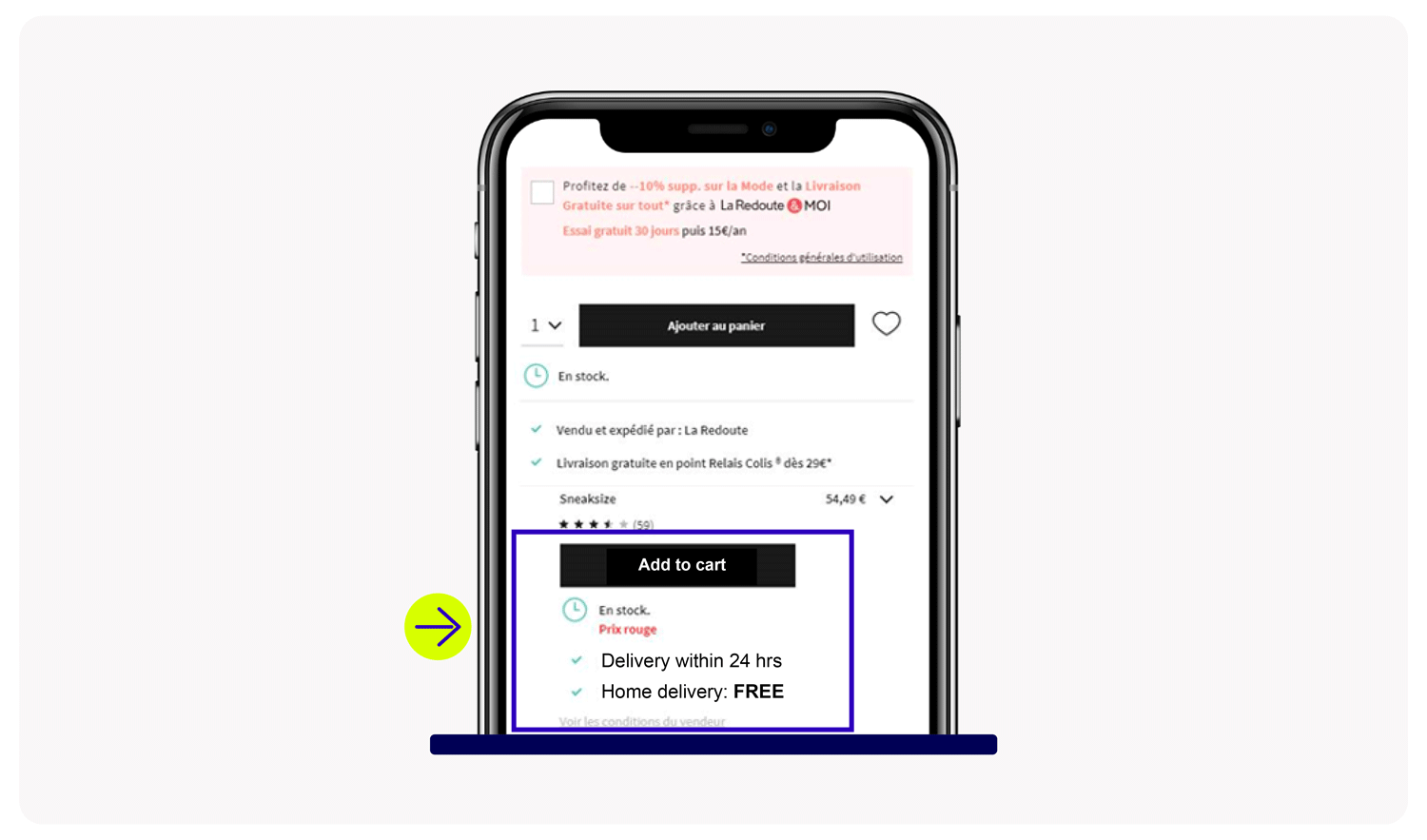
Bridging the Experience Gap: Dive deeper into why OTAs often provide a better user experience can help to close that gap by fixing critical friction points like “total price” or “trip summary” – which are usually the weakest stages for all airlines.
Activating Your Insights: Create a clear roadmap to put the best privacy-first personalization strategy in place that turns insights from our airline report into measurable revenue.
Empowering Your Team: Whether you’re a market, product manager, or e-commerce leader – this report can help you to be ready to build a continuous experimentation program.
The Proof is in the Profit: From Insight to Impact
Cease the Opportunity: Our airline report reveals that even top performers like Air Europa and Lufthansa have room for improvement. A small lift in mobile conversion represents massive revenue, especially with booking values 3x higher than previous years.
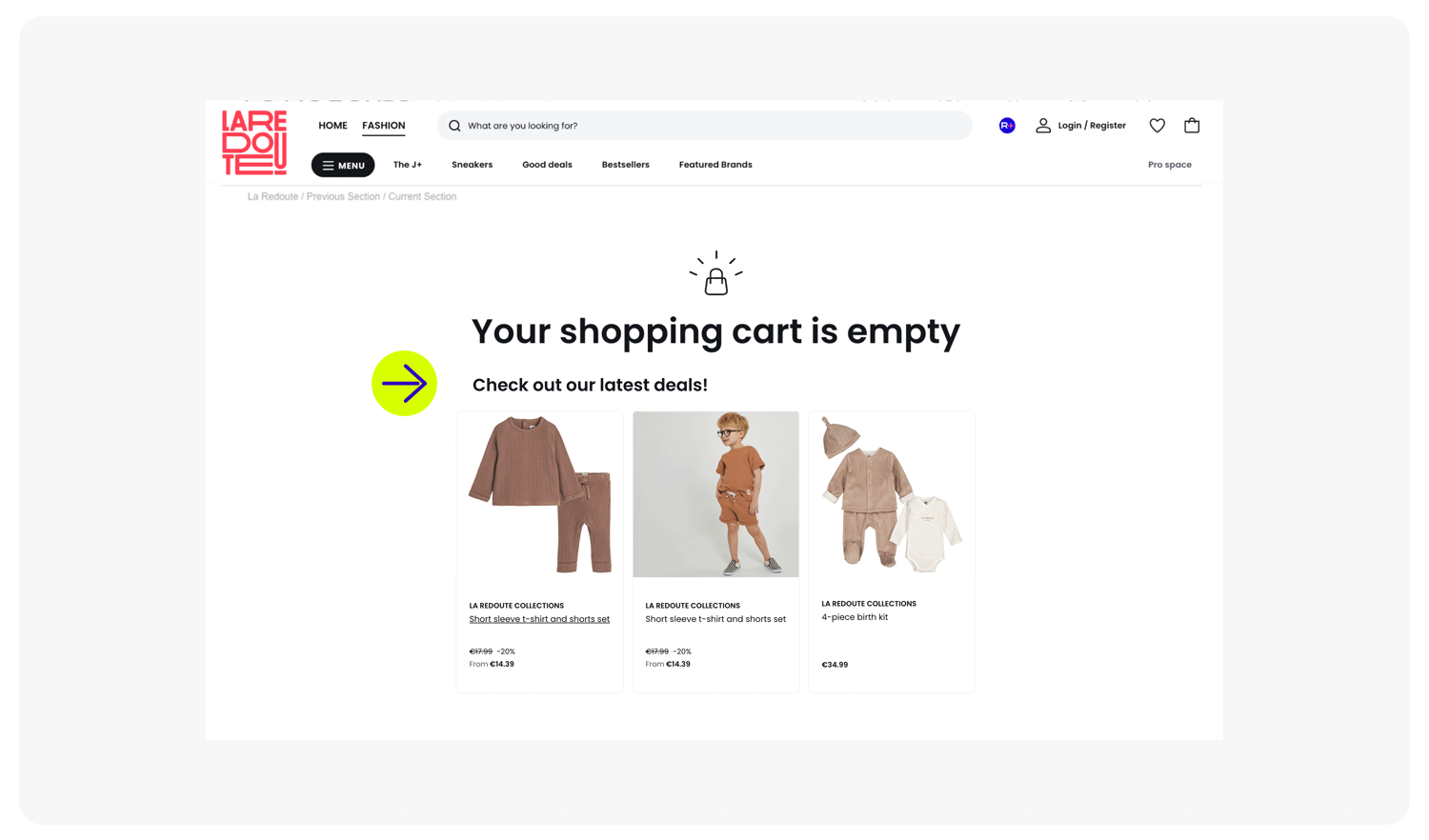
Relate withReal-World Examples: See how leading travel brands use real-time personalization to remedy the exact friction points found in our report – like adding security reassurance at payment (a miss for Lufthansa, SWISS, and TAP) or clarifying fare options (an area of improvement for Iberia).
No More Sitting on the Runway: It’s Time to Take Flight & Optimize
This isn’t just another report spitting out random facts and figures, but a guide to turn critical insights into action during the booking process. Our Mobile Booking Friction Report can help transform your challenges into competitive advantages.
By learning to use in-session data to drive conversions without relying on third-party cookies, we can work together to build a mobile experience that’s truly first-class and ready to take flight towards greater success.
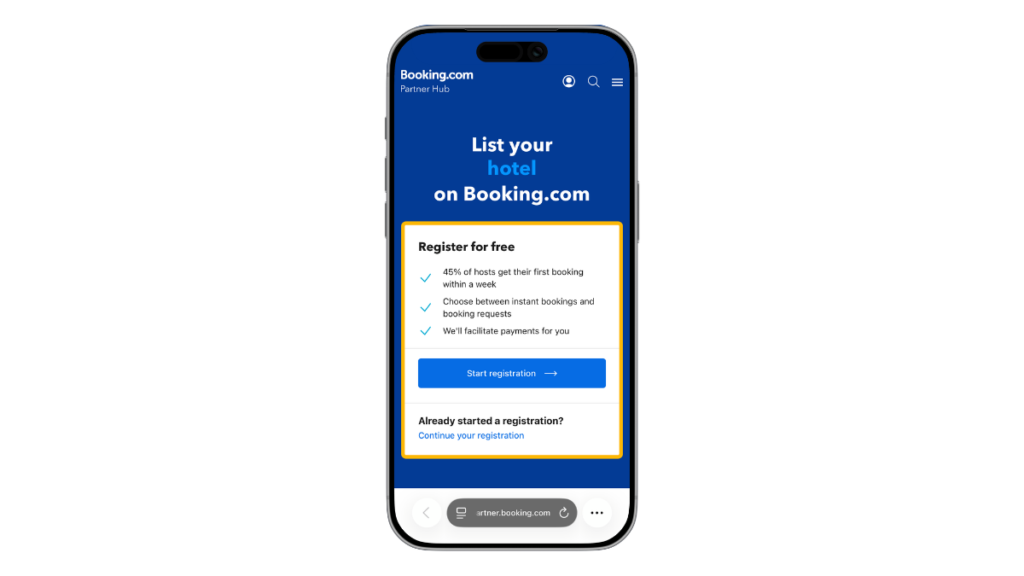
Mobile Momentum: How Booking.com’s Partner Hub Accelerated Growth
+36%clicks to start registration on mobile
As one of the world’s largest travel marketplaces, Booking.com connects millions of travelers with memorable experiences, a range of transport options and incredible places to stay all in one place – while enabling partners all over the world to reach a global audience and grow their businesses.
Within Booking.com, the Platform Experience team is dedicated to enhancing self-service by continuously optimizing the Partner Hub – a platform that provides accommodation partners with the commercial, editorial, and support content that empowers them to smoothly manage anything from registering their property on Booking.com to managing and growing their business.
Focused on customer-driven optimisations, Booking.com, as well as the Platform Experience team, leverage experimentation to identify the changes that bring the most impact to the partner experience.
With AB Tasty supporting these experimentation efforts on the Partner Hub, the team has built a structured approach to testing ideas, learning quickly, and turning insight into meaningful improvements.
The Opportunity: Boosting Registrations in a Mobile-First World
One of the key functions of the platform is supporting listing a property, and with close to half of Partner Hub traffic coming from mobile devices, the team prioritized A/B tests aimed at creating a seamless, intuitive path to registration on mobile.
The main KPI across these experiments was clicks to start registration, supported by engagement metrics such as scroll depth, time on page, and qualitative partner feedback.
The Experimentation Strategy
As there was no shortage of ideas, the team at Booking.com adopted a structured, data-driven approach:
Prioritization Framework: Every experiment idea was scored on business impact, supporting data, and ease of implementation.
Targeted Testing: Focused on both upper-funnel (awareness) and lower-funnel (conversion) content, especially the Partner Hub join page.
Before launching any test, the team also defines what action will be taken depending on the outcome — whether that’s rolling out a winner, refining an idea, or moving on entirely.
Key Experiment: Sticky CTA Drives Results
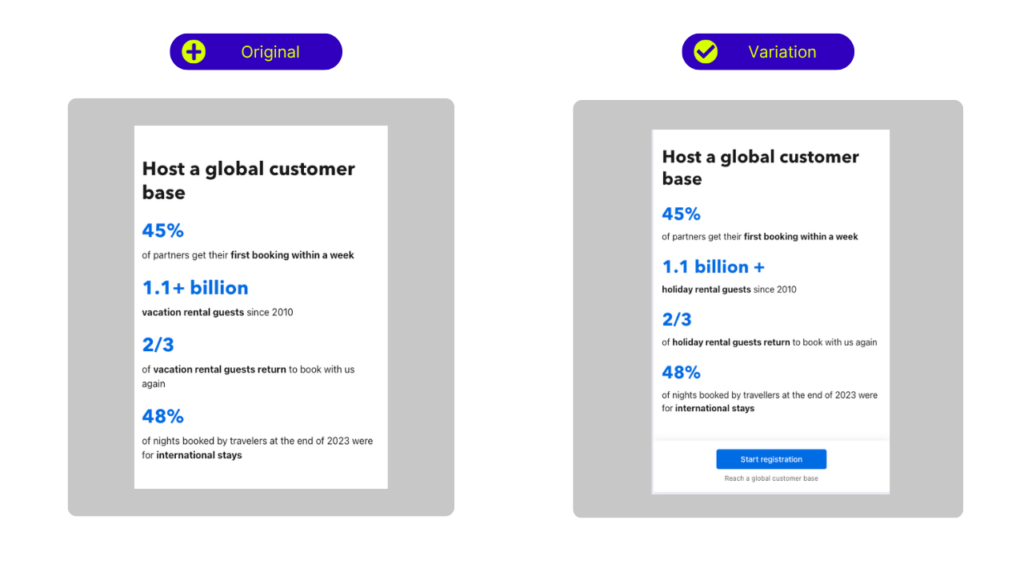
One of the team’s most successful experiments introduced a sticky call-to-action (CTA) bar on mobile devices on the “Join now” page.
The team noticed that the “Join now” page was long and content-rich. The hypothesis was that users could easily lose focus as they scrolled. To solve this, the team introduced a sticky call-to-action bar on mobile, ensuring the registration CTA remained visible as visitors scrolled.
Result:+36% increase in clicks to start registration on mobile. This significant uplift led to full rollout.
Learning from what didn’t work
Not all experiments delivered wins, but each provided actionable insights and helped validate direction.
For example, after analysing user feedback and discovering prospects wanted to learn more about the registration process, the team decided to test moving registration step information higher on the page. This did not improve conversions, helping the team to move on and develop new experiment ideas.
The impact of small details
The Platform Experience team also experimented with different call-to-action phrases.
While options like “Join now,” “Start registration,” “List your property,” and “Sign up today” sound similar, testing revealed clear differences in performance. “Start registration” consistently drove the highest engagement, while “Sign up today” reduced clicks by around 10%.
By testing even details that may appear small, the team was able to make incremental improvements that added up to meaningful gains.
Strong partnership and looking ahead
Beyond the results of experimentation, the Platform Experience team emphasized the value of strong support throughout the process.
AB Tasty partnered closely with the team, providing hands-on assistance with test setup, troubleshooting, and turning ideas into live experiments. This responsive support was crucial for maintaining momentum, especially as the team refined its processes and managed experiments across multiple languages and markets.
“It’s been really great working with AB Tasty. Everybody I’ve encountered has been really helpful, genuine, and actually deeply cares about what it is we’re trying to achieve.”
Melissa Li, Partner Hub Experimentation Lead at Booking.com
Key Takeaways:
Booking.com’s Partner Hub team has shown how focused, data-driven experimentation can meaningfully improve the partner journey and drive measurable growth.
By prioritizing high-impact tests and fostering a culture of continuous learning, they’ve delivered real results, especially on mobile.
Mobile-first improvements, like a sticky CTA, can significantly boost conversions.
Ongoing testing and learning are essential for digital success.
Ultimately, the team has demonstrated that by pairing a deep understanding of the partner experience with a learning mindset, it’s possible to drive meaningful impact – one strategic experiment at a time.
At Motorpoint, delivering a smooth and seamless experience for car buyers is a top priority. As the UK’s leading independent retailer of nearly new and used cars, the company is focused on making every part of the journey, both online and offline, as simple and stress-free as possible.
We spoke with Razvan Ghica, Head of Design at Motorpoint, who oversees the online experience and leads the company’s optimization and research efforts. He shared how the team is using AB Tasty to improve digital journeys, support smarter decision-making, and move faster with confidence.
Q1: What led you to start using AB Tasty?
Razvan: We take a lot of care when building new features or user journeys, but no matter how thorough we are, there’s always room for improvement. AB Tasty allows us to fine-tune experiences after launch. That’s important because if the website better supports the user journey, it leads to a stronger experience overall, and ideally, better performance in our key metrics.
Q2: What types of experiments have you been running?
Razvan: Most of our tests so far have been simple, things like repositioning content, changing button labels, or making UI adjustments. They don’t require much setup but can deliver meaningful results. These smaller experiments have proven to be very effective, and they’ve shown us that even small changes can lead to measurable improvements.
Q3:Are there any specific experiments that stood out?
Razvan: Yes, a couple come to mind. One was on the product page, where we moved the car specs and features higher up. That small change resulted in a noticeable increase in leads.
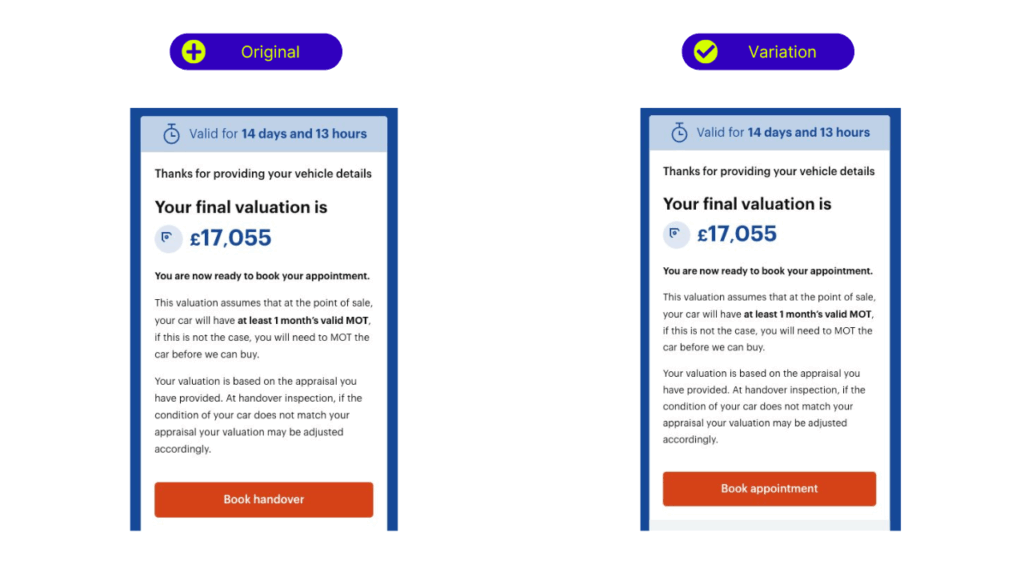
Another example is from our Sell Your Car experience. We changed the label on a button that takes users from one step to the next. The original term wasn’t very familiar to users, and just updating the language improved conversion through that part of the funnel.
Q4: Have you explored personalization yet?
Razvan: We’re starting to. We’re currently considering testing variations of our user journeys for different segments, based on things like location, device type, or whether the user is new. We want to understand how we can personalize the experience further for them, and AB Tasty is well-suited for that.
Q5: Beyond performance improvements, how has AB Tasty impacted your internal processes?
Razvan: It’s helped reduce uncertainty in the design phase. If we’re considering two different approaches and can’t decide, we now have the option to test both from the start. That removes a lot of back-and-forth and speeds up decision-making.
We can even test during the design phase when it makes sense. It saves time and helps us work more efficiently. Overall, we’ve seen an increase in lead generation and improved funnel performance, thanks to the ongoing optimization work we’re doing with AB Tasty.
Q6: How easy is it for teams without technical backgrounds to get involved?
Razvan: The test builder interface has been really useful. It’s intuitive and allows non-technical team members to build and launch tests on their own. If needed, someone with more technical experience can jump in and build on what’s there, but in most cases, the builder is accessible to everyone.
Q7: How is the tool used across different teams at Motorpoint?
Razvan: The design team leads most of the activity, but we’ve also seen involvement from our content and merchandising teams. Because the tool is user-friendly, they’ve been able to build tests around things they want to explore, without needing help from developers. That’s important for us, because our engineering team has its own dedicated backlog. They’re not involved in building these tests, and that keeps things more efficient.
Q8: And how does experimentation impact other teams or departments?
Razvan: One of the biggest benefits is the learning it brings. It’s not just about knowing what works; it’s also about understanding what doesn’t. That’s equally valuable. The insights we gain from testing help shape future decisions. We can start from a small observation, go through our workflow, and end up with answers to key questions. It’s a continuous learning loop that improves how we support users across the site.
Q9: How does experimentation fit into your overall digital strategy?
Razvan: Our team is relatively small, especially on the design and engineering side. So our time is valuable, both when building new experiences and when optimizing existing ones. AB Tasty allows us to do both in parallel. We can keep developing new features while also refining what we already have, without taking time away from our engineers.
Q10: Looking ahead, what’s next on your roadmap for testing and optimization?
Razvan: We want to increase the volume of tests we’re running and expand them across more of our journeys. We also want to spend more time identifying user segments we can personalize for. That’s something we haven’t fully explored yet, but we see a lot of potential there.
Overall, AB Tasty allows us to do a lot with relatively low effort, and the results speak for themselves. We’re excited to build on that and keep improving.
Final Thoughts
Thank you to Razvan Ghica and the Motorpoint team for sharing their insights. Hearing how experimentation supports their decision-making and improves the customer journey offers a clear view of the impact ongoing optimization can have. We’re proud to support their work and to see how these efforts continue to shape a smoother, more confident experience for car buyers.
For PureGym, experimentation isn’t just a tactic; it’s a mindset. With over 450 locations across the UK and thousands of daily digital interactions, their team knows that the smallest UX friction can snowball into a significant drop in sign-ups. That’s why testing has become deeply embedded in how they think, build, and iterate across their digital ecosystem.
Working with AB Tasty, the team has developed a structured, collaborative approach to testing, one that’s helped them fine-tune the join journey, reduce user hesitation, and unlock measurable growth.
In this case study, you’ll learn how PureGym:
Achieved a 3.4% lift in conversions by simplifying gym selection
Increased funnel progression with sticky pricing visibility
Built a repeatable testing routine across product, data, dev, and marketing
Created a learning culture that values failed tests as much as successful ones
Is preparing to evolve toward personalized digital experiences powered by user behavior
Spark your curiosity!
Get your copy of "PureGym’s Testing Routine for Digital Gains" now.
Live from Accu Stadium: Scoring Big with Experimentation in E-Commerce
with
We took experimentation out of the office and onto the pitch.
Broadcast live from Accu Stadium in Huddersfield, thissession gives you a behind-the-scenes look at how data, testing, and teamwork come together to drive e-commerce performance.
You’ll hear how Accu, alongside REO and AB Tasty, put experimentation into action, turning insights into continuous improvement across their digital experience.
Meet the Teams
Accu: A leading e-commerce platform supplying precision engineering components to innovators worldwide
REO: A digital agency focused on performance and experimentation, helping brands use data to drive meaningful results.
AB Tasty: A global platform for experimentation and personalization, empowering teams to optimize experiences and accelerate growth.
What You’ll Learn
How Accu uses experimentation to improve customer journeys and on-site performance
The power of partnership: how REO and AB Tasty work together to accelerate testing and insights
Lessons from the field: practical examples of tests that delivered impact
Data-Driven Destinations: How Travel Brands are Reimagining the Booking Experience
In travel, a great experience starts long before anyone packs a bag. It begins online – with every click, search, and comparison. But meeting travelers’ expectations for speed, trust, and relevance isn’t easy.
Join AB Tasty for a conversation on how leading travel and hospitality brands are using experimentation, personalization, and data-driven insights to improve the digital journey.
We’ll explore real examples from our new Travel Essentials Kit e-book, showing what’s working, why it works, and how you can apply similar ideas to your own optimization strategy.
What We’ll Cover
Key trends shaping how travelers browse, book, and expect personalization online
Improve UX with AI: 10 Audience Segments from EmotionsAI
Introduction
Personalization helps create more relevant digital experiences, but when you understand a user’s emotional intent, you can take your experiences even further.
Emotions drive 80% of human decisions, and the customer journey is packed with micro-moments shaped by those feelings. That’s where AB Tasty’s EmotionsAI steps in.
Built on over eight years of behavioral analytics and powered by a smart, intuitive AI engine, EmotionsAI helps you uncover hidden opportunities in the user journey—showing not only how to improve the experience, but also the potential impact of inaction. Within 30 seconds EmotionsAI can identify each visitor’s emotional mindset, enabling you to segment and target with unmatched precision and speed.
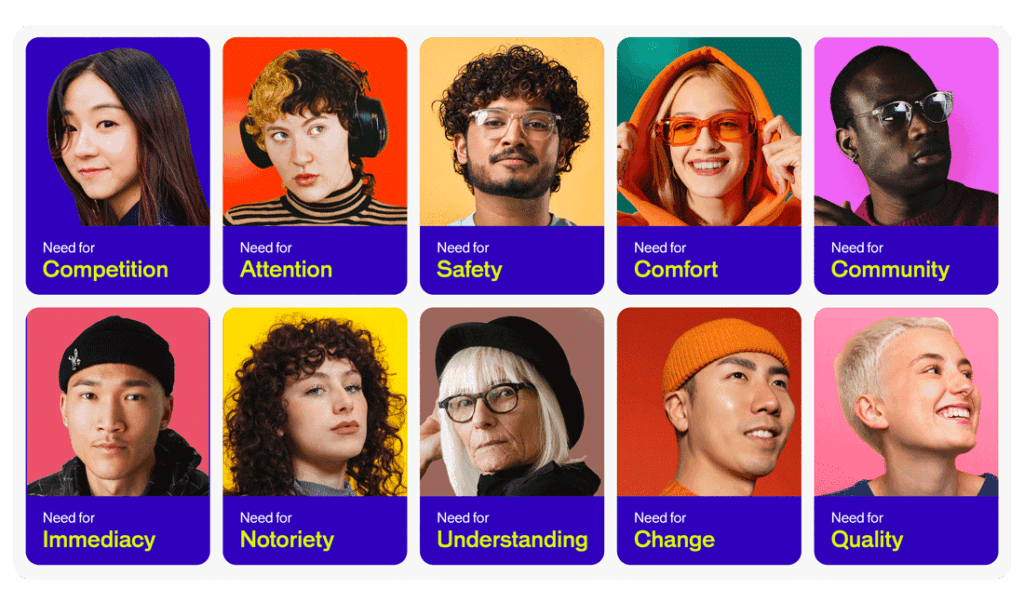
So what types of emotional segments does EmotionsAI identify? In this guide, we’ll break down the 10 audience segments EmotionsAI detects, what motivates each type of visitor, and how to activate smarter personalization strategies using AB Tasty’s experience optimization platform and widget library.
10 Audience Segments
While there are thousands of emotions running through a shoppers mind, EmotionsAI has found users fall into one of the following 10 emotional segments:
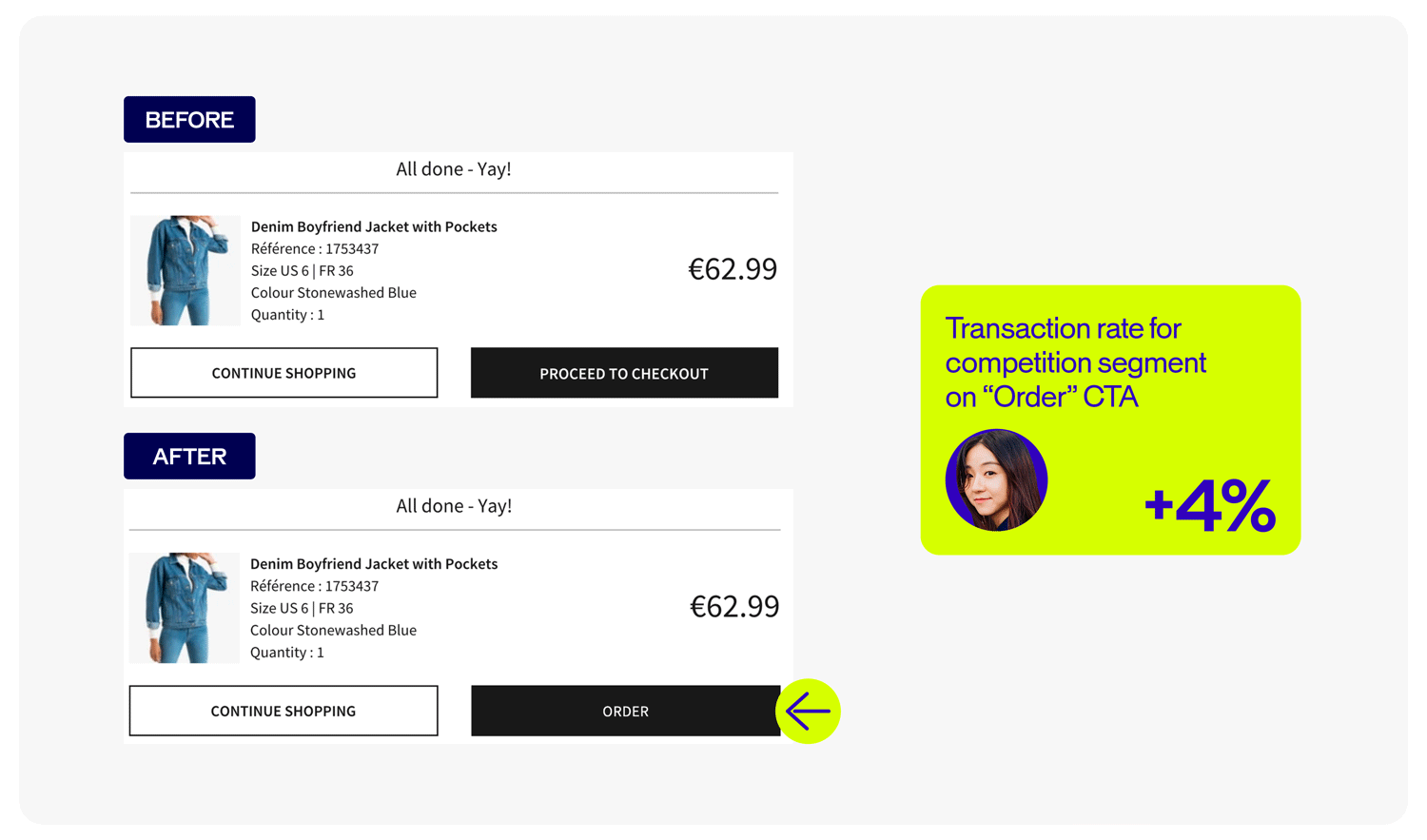
Competition-oriented visitors strive to make the best possible choice to stay ahead and be the best.
Characteristics
Competition-oriented visitors thrive on being in the spotlight. They love being the center of attention. They possess leadership qualities and care deeply about how others perceive them.
AB Tasty’s toolbox for Competition:
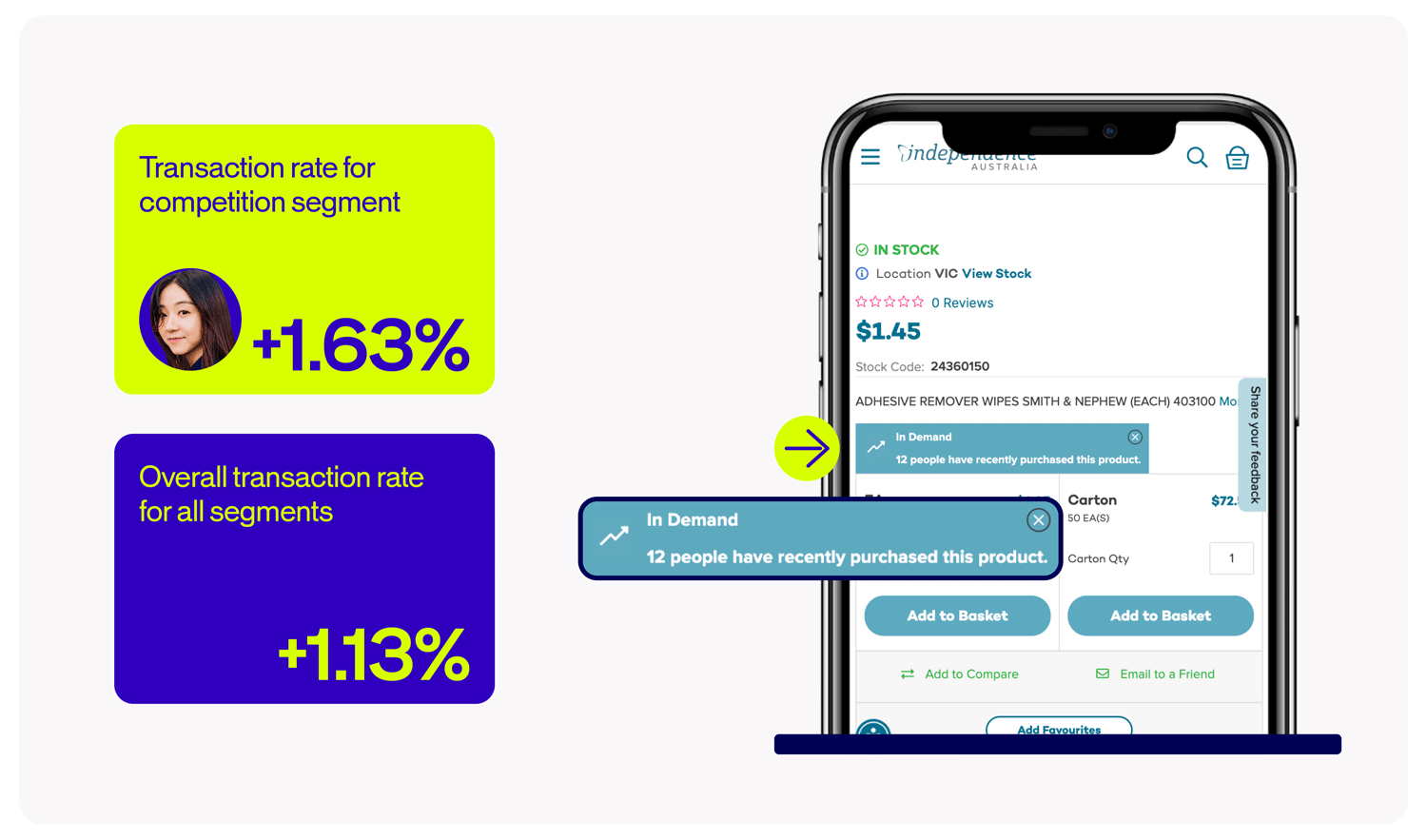
Social proof widget
Countdown widget
Custom recommendations
Leaderboard or badges
Use cases
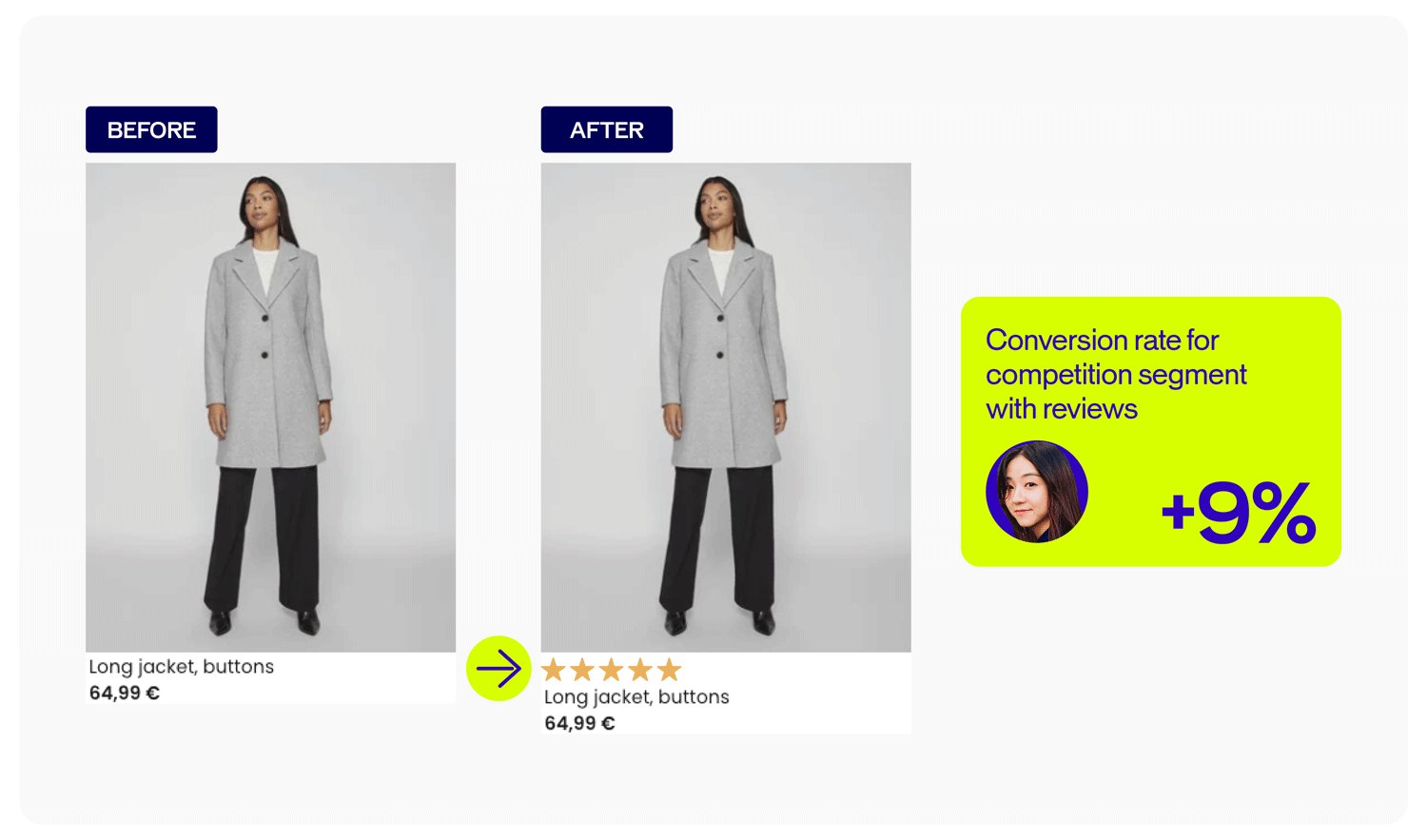
Influence the purchase with customer reviews.
Reviews are a good example of the quantitative evaluation of product quality. This aspect is important for converting competitive visitors.
Create a dynamic experience.
In the competitive segment, less is more. Get straight to the point and avoid superfluous messages for these visitors.
Create a dynamic experience.
Use short and action-oriented messages.
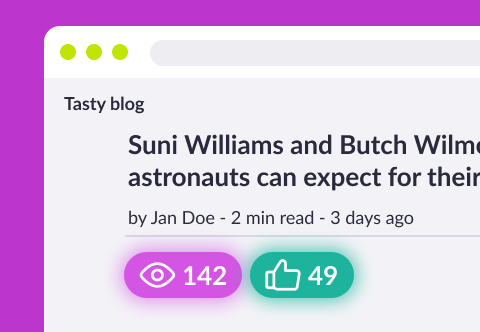
Increase engagement with social proof.
Action-oriented formulations are ideal for visitors in the competitive segment.
Attention
Attention-oriented visitors need to feel that everything is done to satisfy them.
Characteristics
These visitors seek immediate enjoyment and want to maximize every opportunity without feeling limitations. They want to feel special and valued. They appreciate personalized experiences and marks of attention like gifts.
AB Tasty’s toolbox for Attention:
Simple pop-in widget
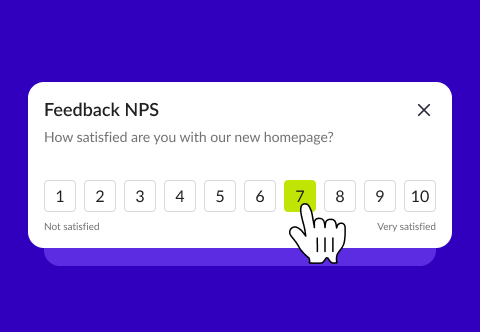
NPS widget
Progress bar widget
Wheel of fortune widget
Use cases
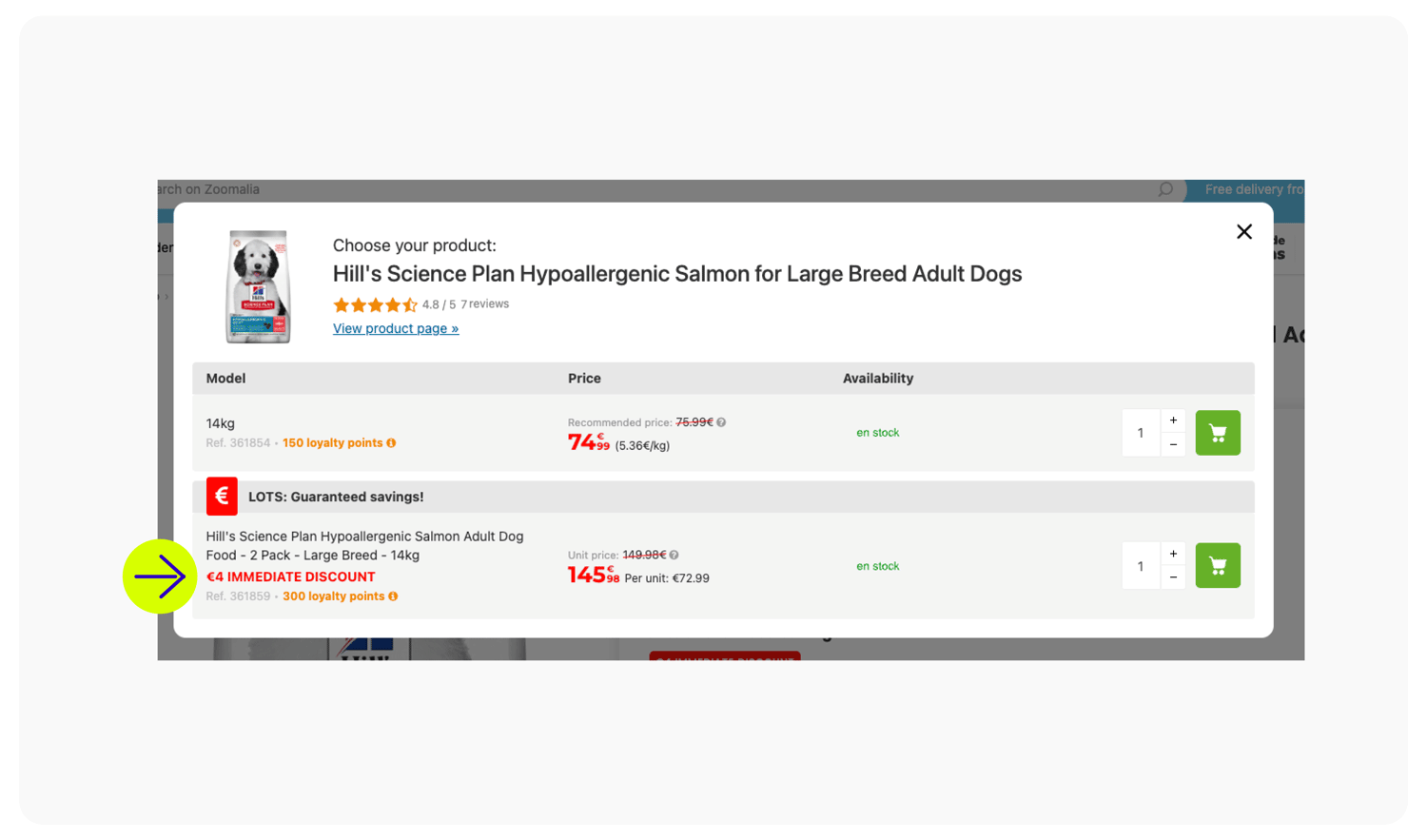
Highlight free services.
Highlight discounts, free services and special gifts for visitors in need of personalized attention.
Highlight discounts.
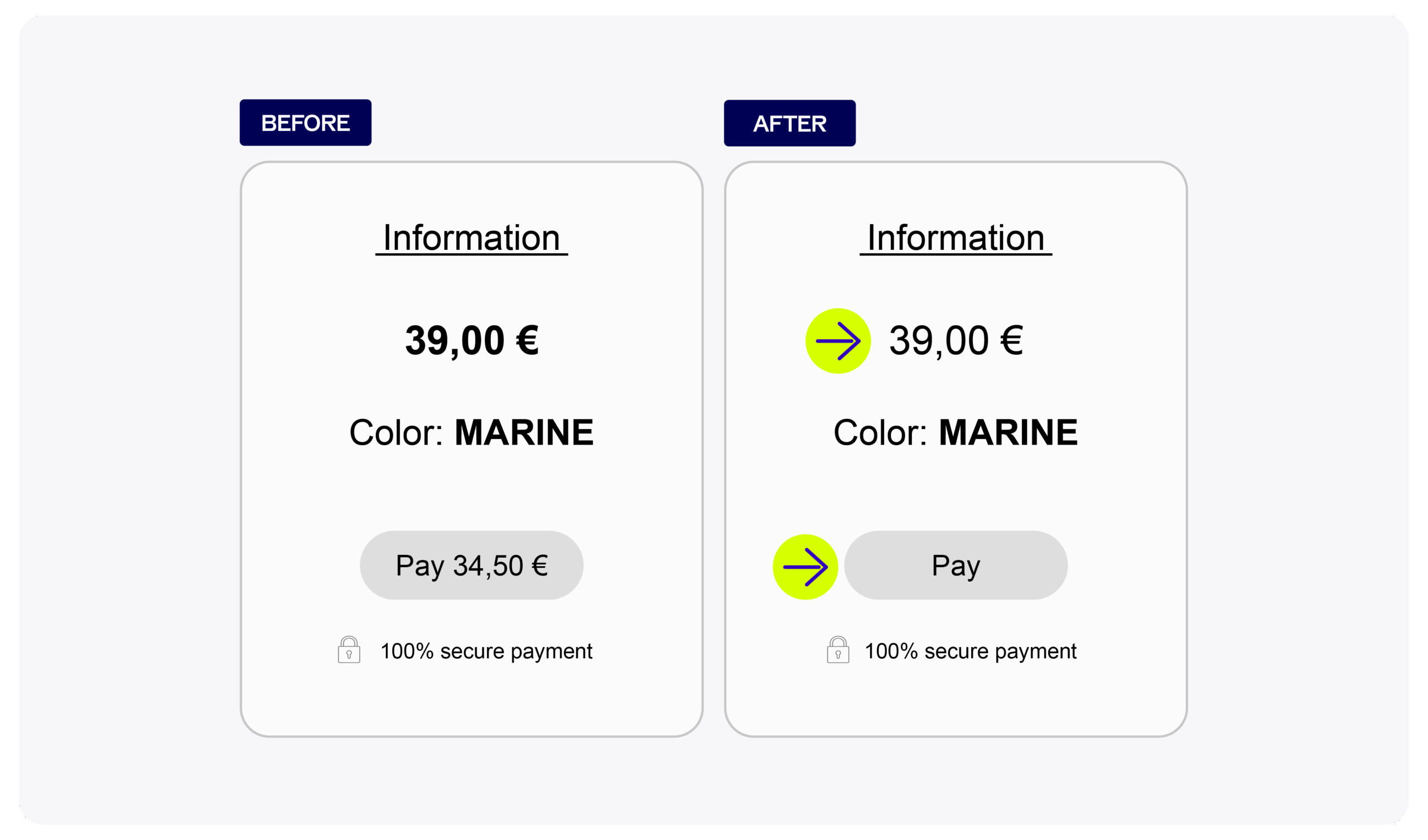
Reduce the visual significance of the price.
Experience shows that people with a high need for attention prefer prices to be displayed less prominently on a website.
Safety
Safety-oriented visitors need to feel secure and in control of their situation, rather than uncertain and threatened by ambiguity.
Characteristics
These visitors experience emotions intensely, are highly sensitive, and can be prone to anxiety. They tend to react negatively to stress marketing efforts and too many messages.
AB Tasty’s toolbox for Safety:
Banner widget
Reorder elements in visual editor
Hide elements in visual editor
Change colors in visual editor
Use cases
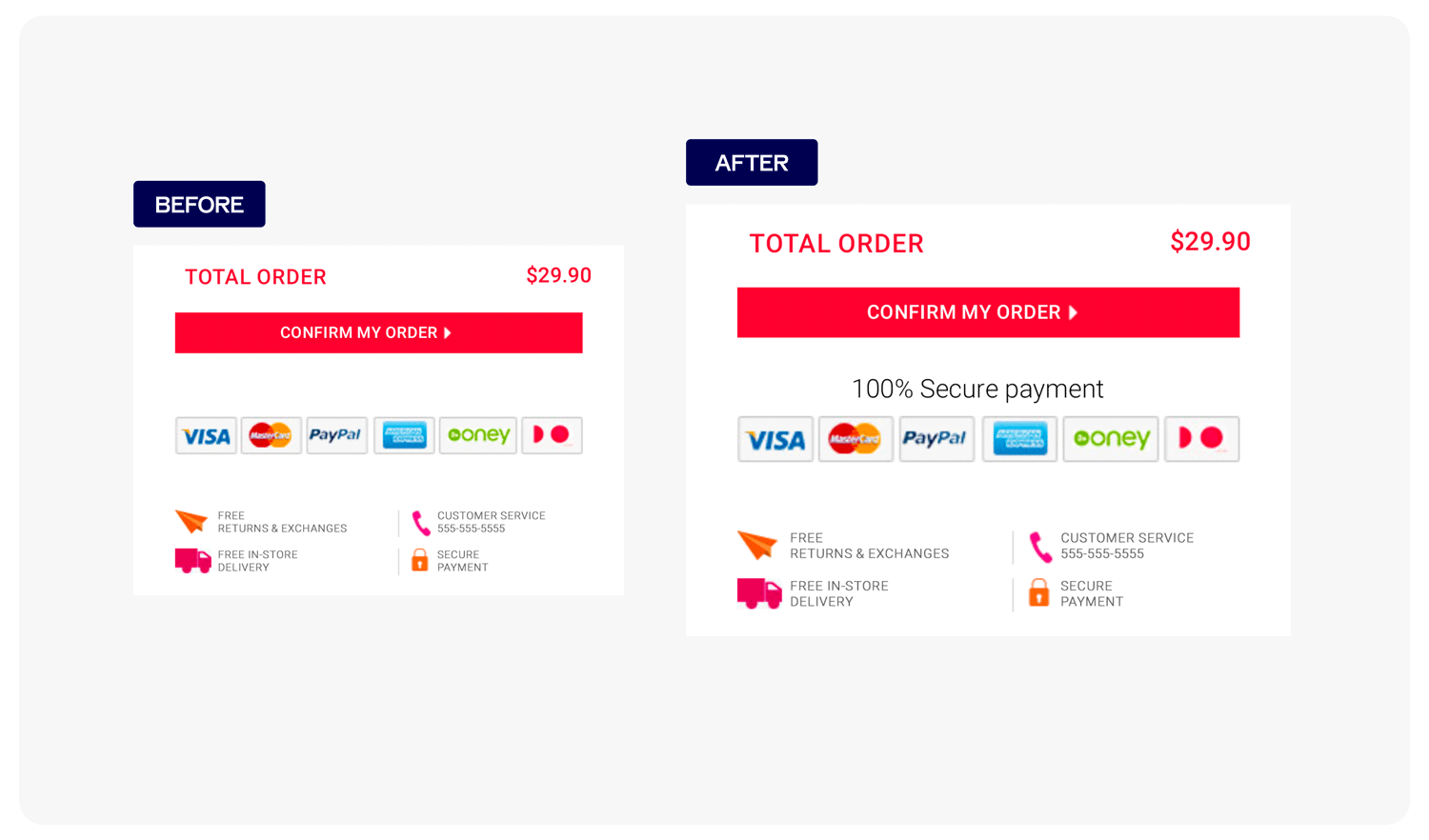
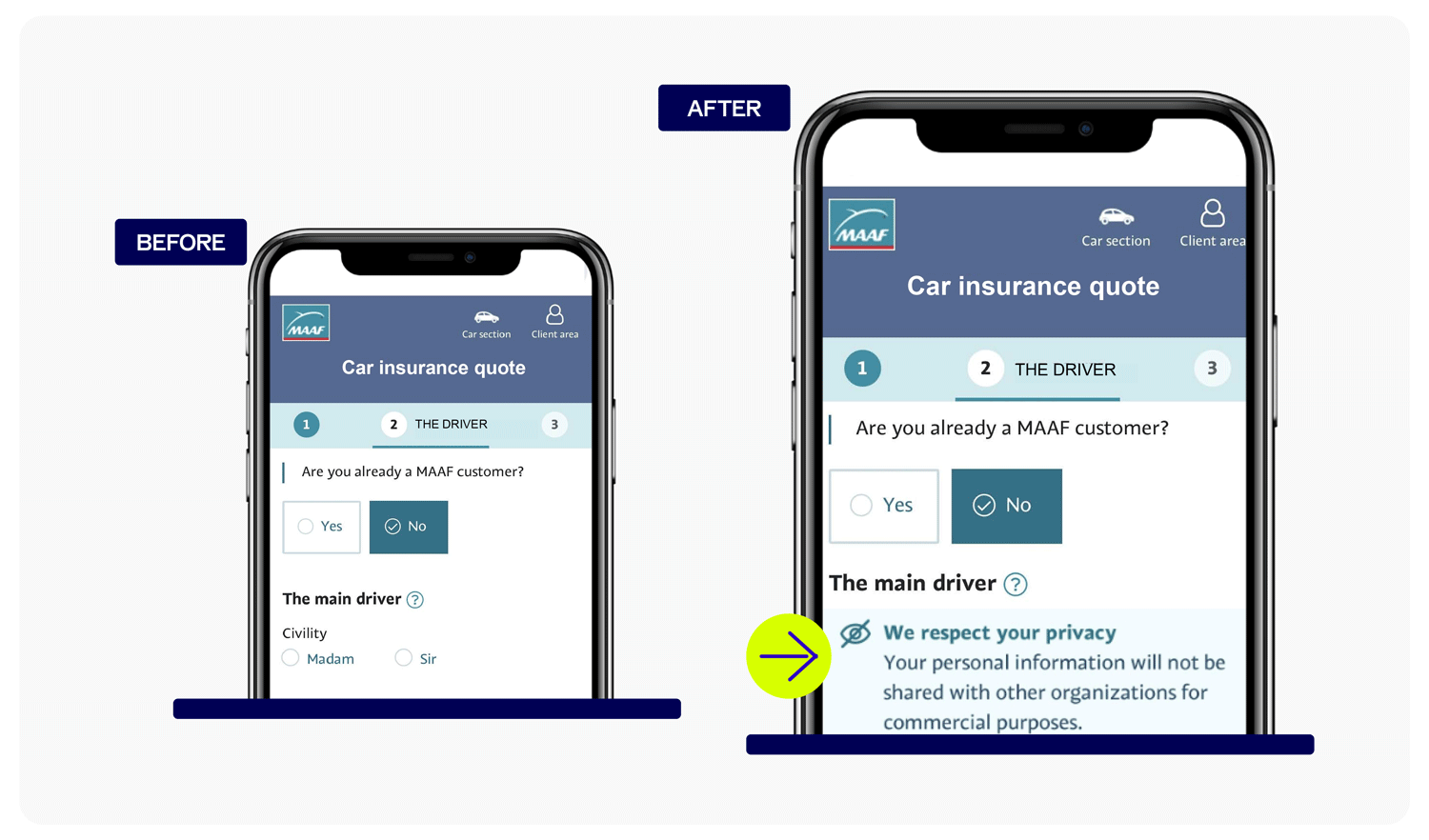
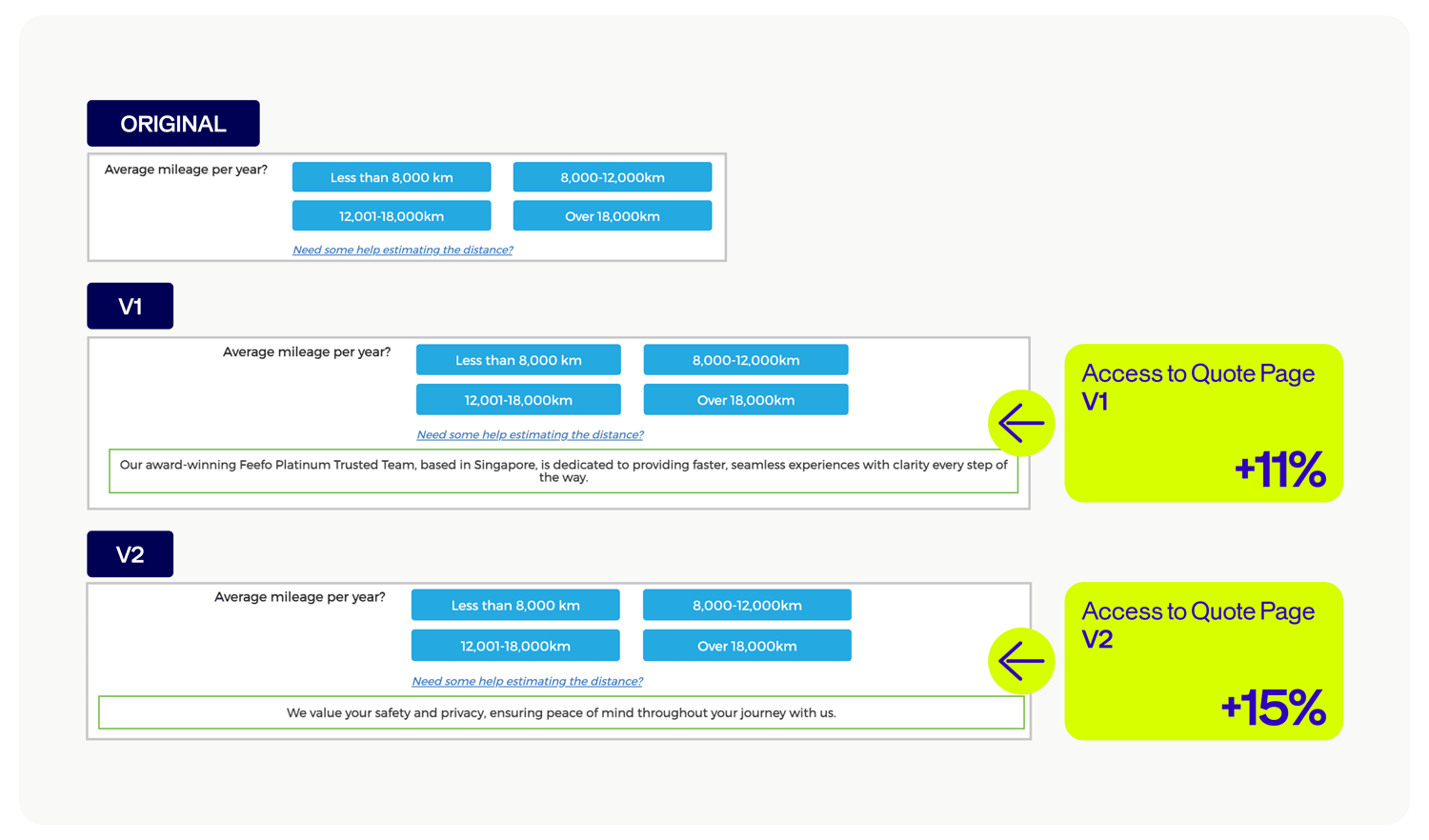
Guarantee of payment security.
Emphasize the security and reliability of online payments.
Reassuring information about data protection.
Emphasizing the secure handling of personal information.
Several ways to build trust with security-oriented visitors.
Experiment with different messages in the same A/B test to find out what is best received.
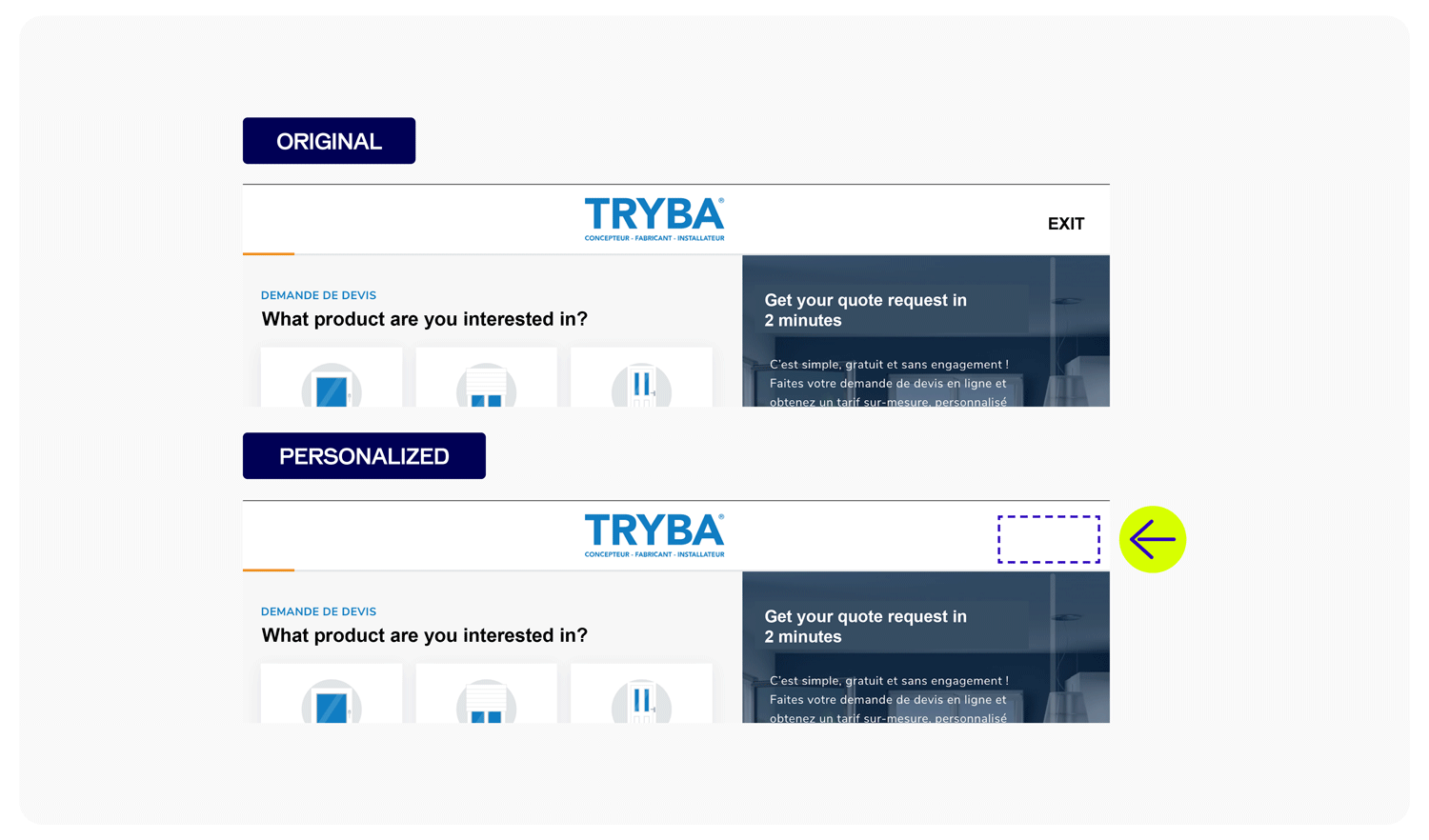
Avoid negative formulations.
Remove negative messages such as an “EXIT” button.
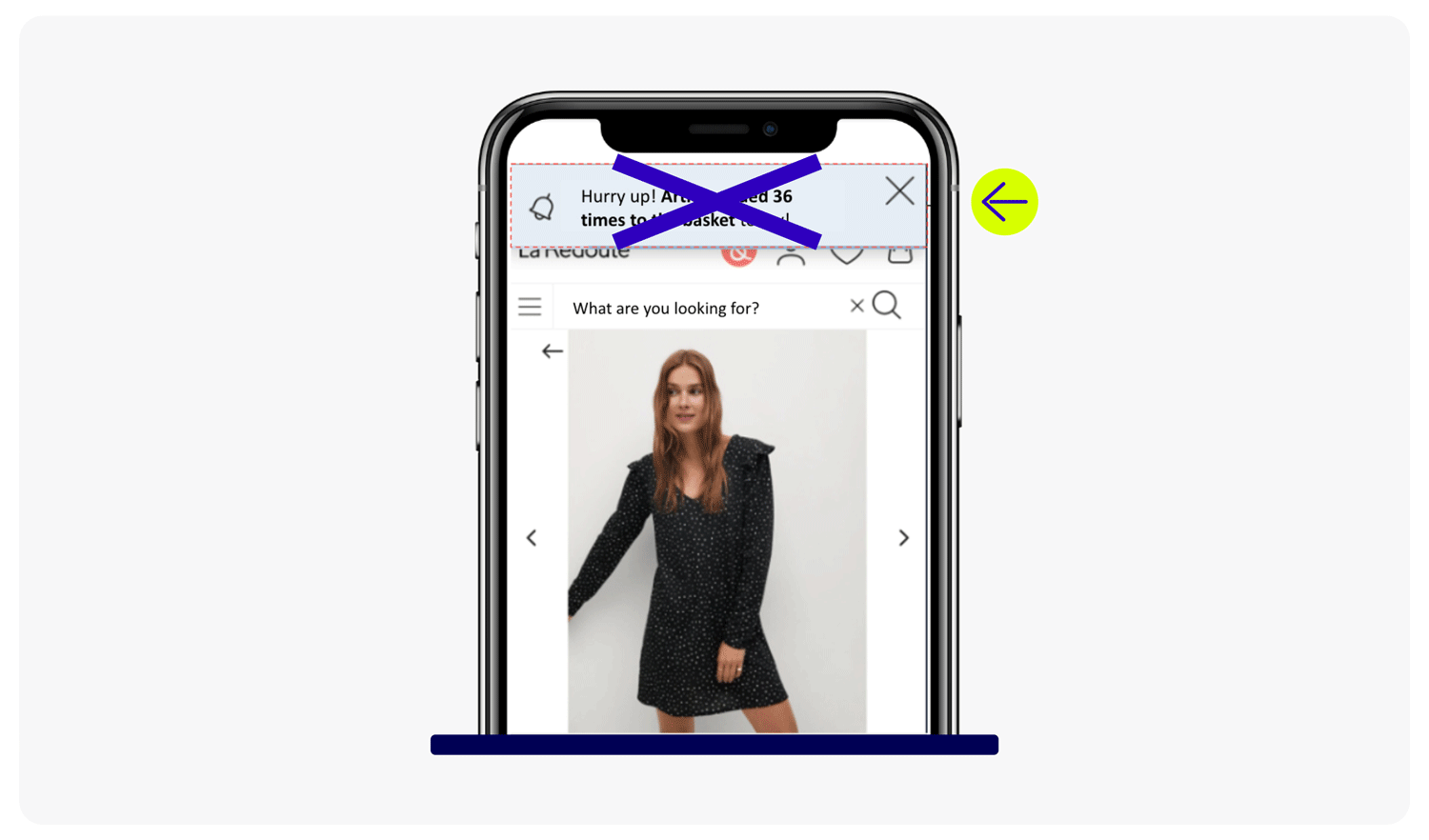
Avoid stress marketing.
Stress marketing contradicts the expectations and values of security-oriented visitors. It is best to avoid pressure tactics.
Comfort
Comfort-seeking visitors need to drift through the customer journey in a peaceful, undisturbed environment, free from disruptions and unnecessary effort.
Characteristics
These visitors value simplicity, minimal effort, and hassle-free experiences. They enjoy services that make their lives easier and prefer to stay far away from crowds.
Comfort-seekers also value the coziness and tranquility of their own home.
AB Tasty’s toolbox for Comfort:
Banner widget
Video pop-in widget
Drawer widget
Spotlight widget
Use cases
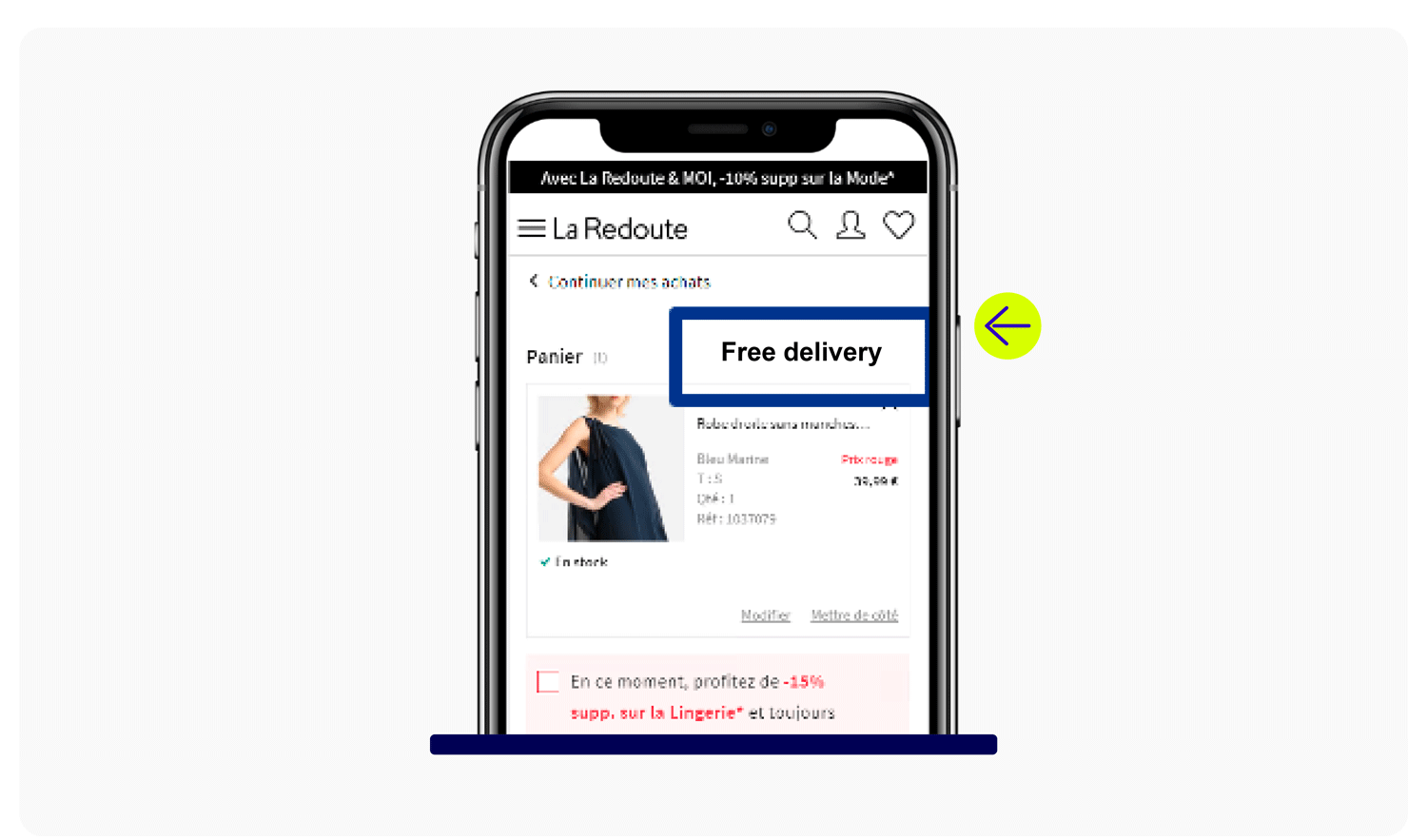
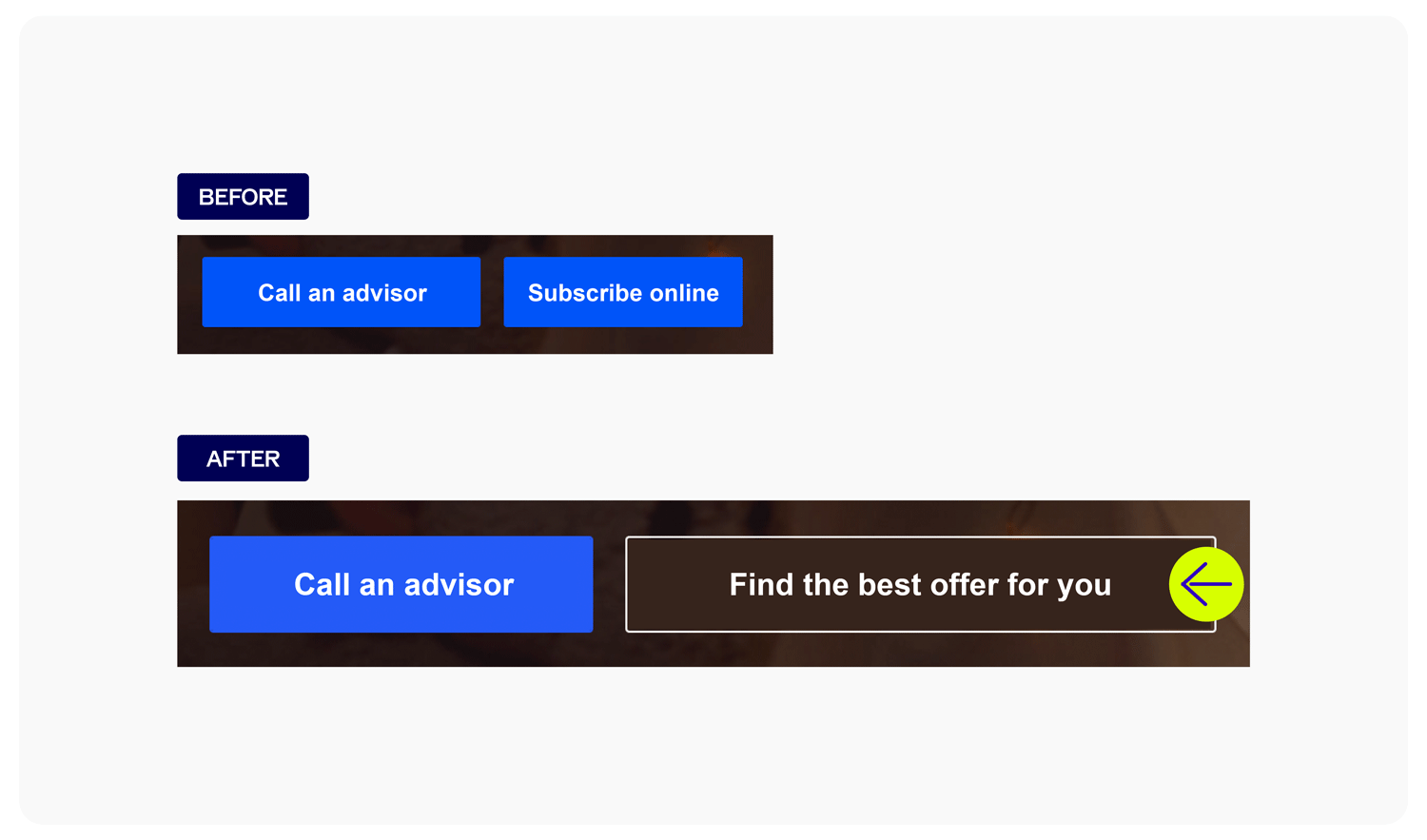
Highlight delivery options.
Do you have free delivery? Let your convenience-oriented visitors know!
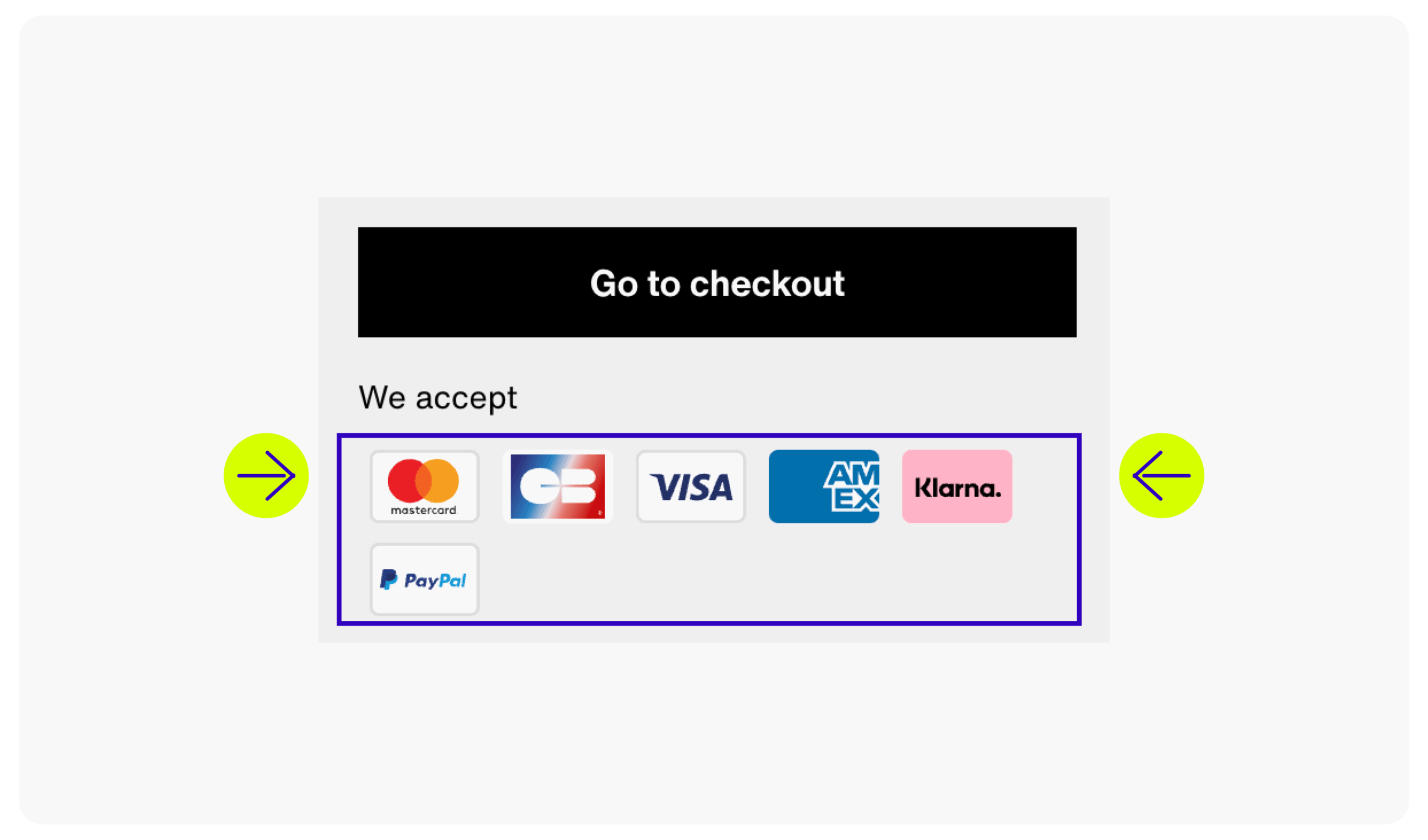
Emphasize the convenience of the payment options.
Show how easy it is to make a purchase, including flexible payment options.
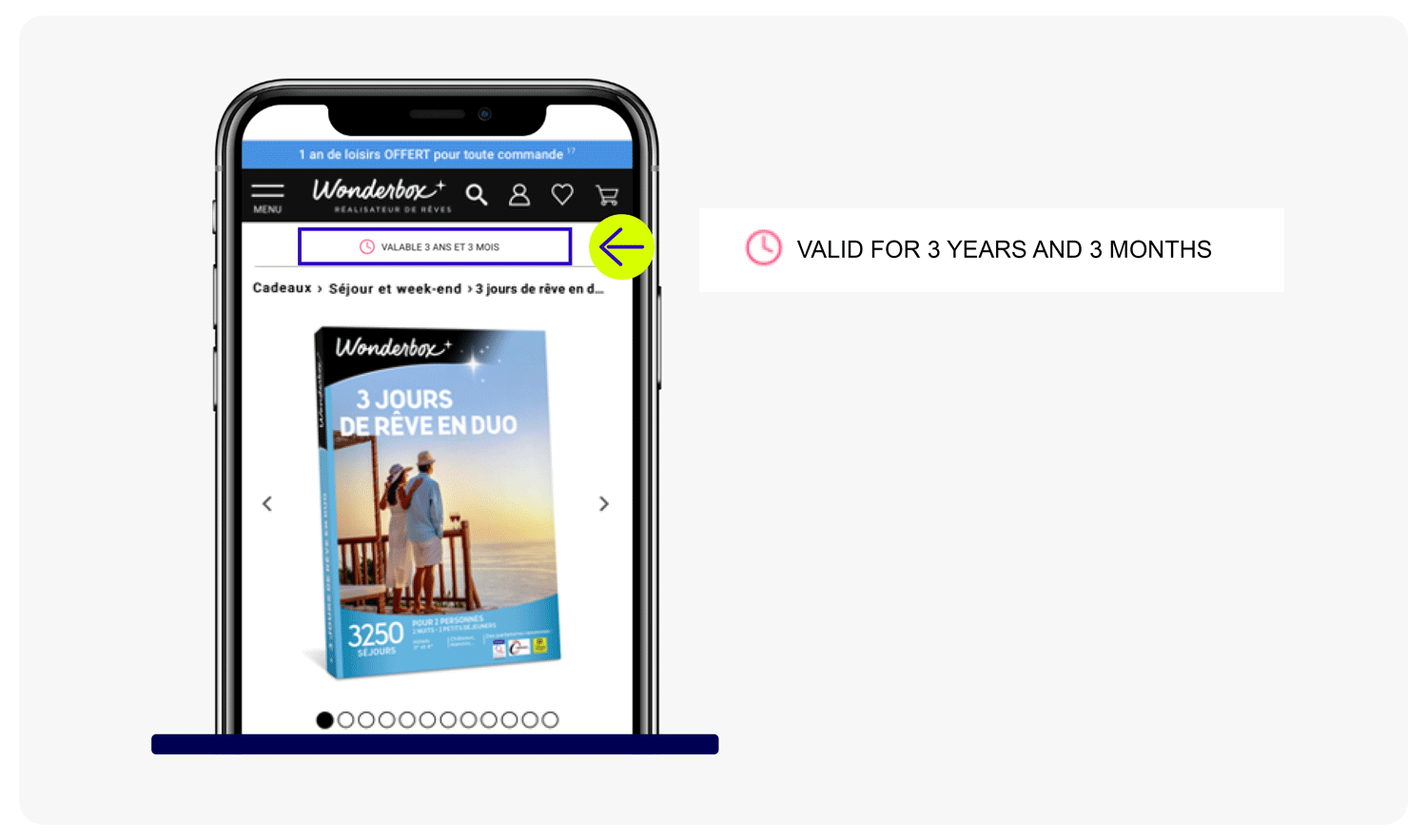
Emphasize the convenience of future use.
Emphasize that customers will have no problems for a long time after the purchase.
Provide additional information for buying from home.
Display details for convenience-oriented visitors as standard. Emphasizing convenience is crucial.
Community
Community-oriented visitors need to feel a strong connection with the people they care about and their environment.
Characteristics
These visitors seek a sense of belonging and enjoy sharing with people they care about. They value the positive impact of their actions on others and on the environment.
AB Tasty’s toolbox for Community:
Social proof widget
Social sharing widget
NPS widget
Spotlight widget
Use cases
Highlight options to purchase gifts.
Feature products or vouchers they could gift to loved ones.
Highlight positive impact on people or the environment.
Add eco-friendly/natural tags of your products and services.
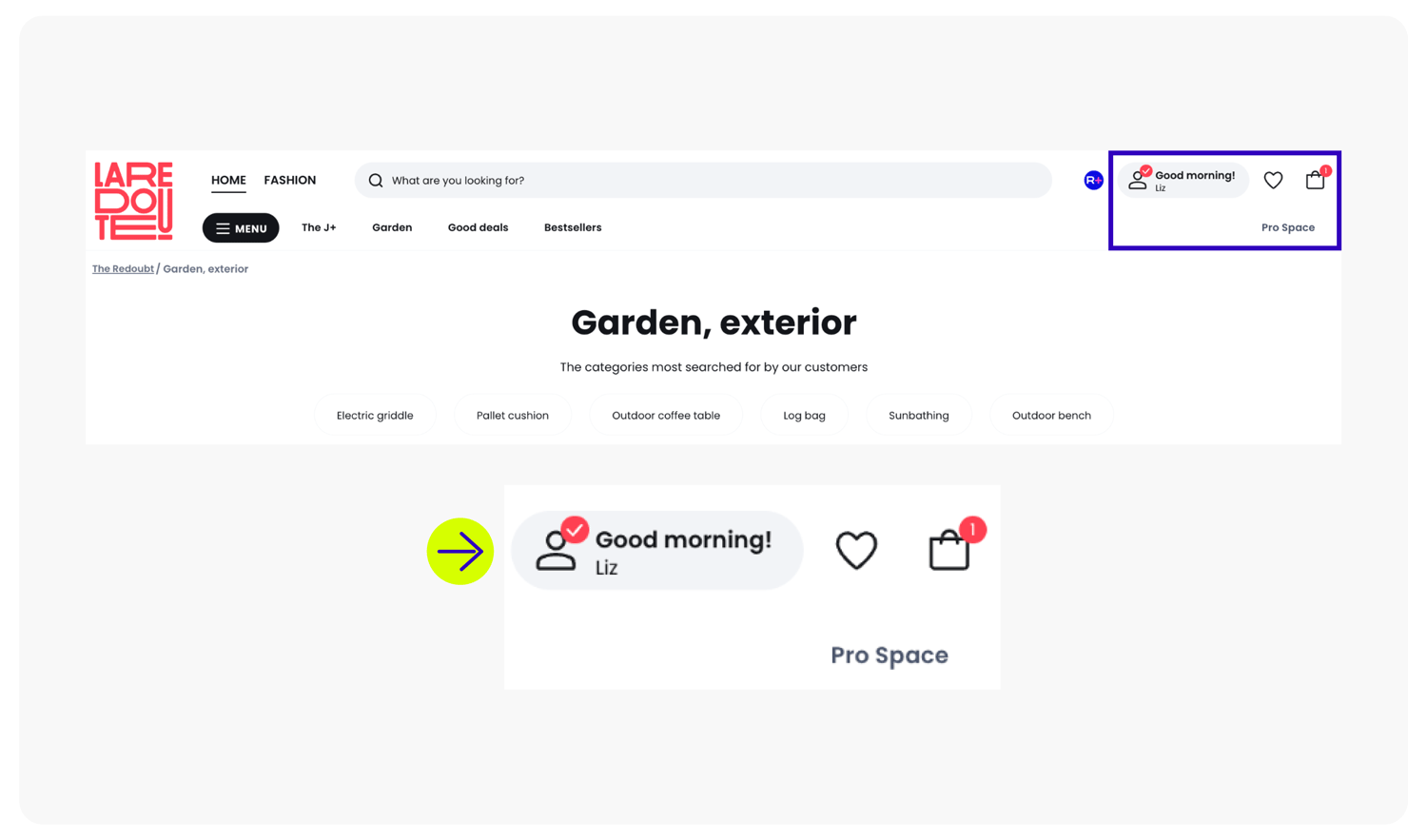
Use the visitorʼs name when possible.
Using first names makes community-oriented visitors feel part of the brandʼs community.
Immediacy
Immediacy-oriented visitors need to be constantly stimulated by suggestions of actions to take.
Characteristics
These visitors want constant engagement and quick results. They are looking for instant gratification and simple options.
AB Tasty’s toolbox for Immediacy:
Banner widget
Virtual click widget
Wheel of fortune widget
Scratch card widget
Use cases
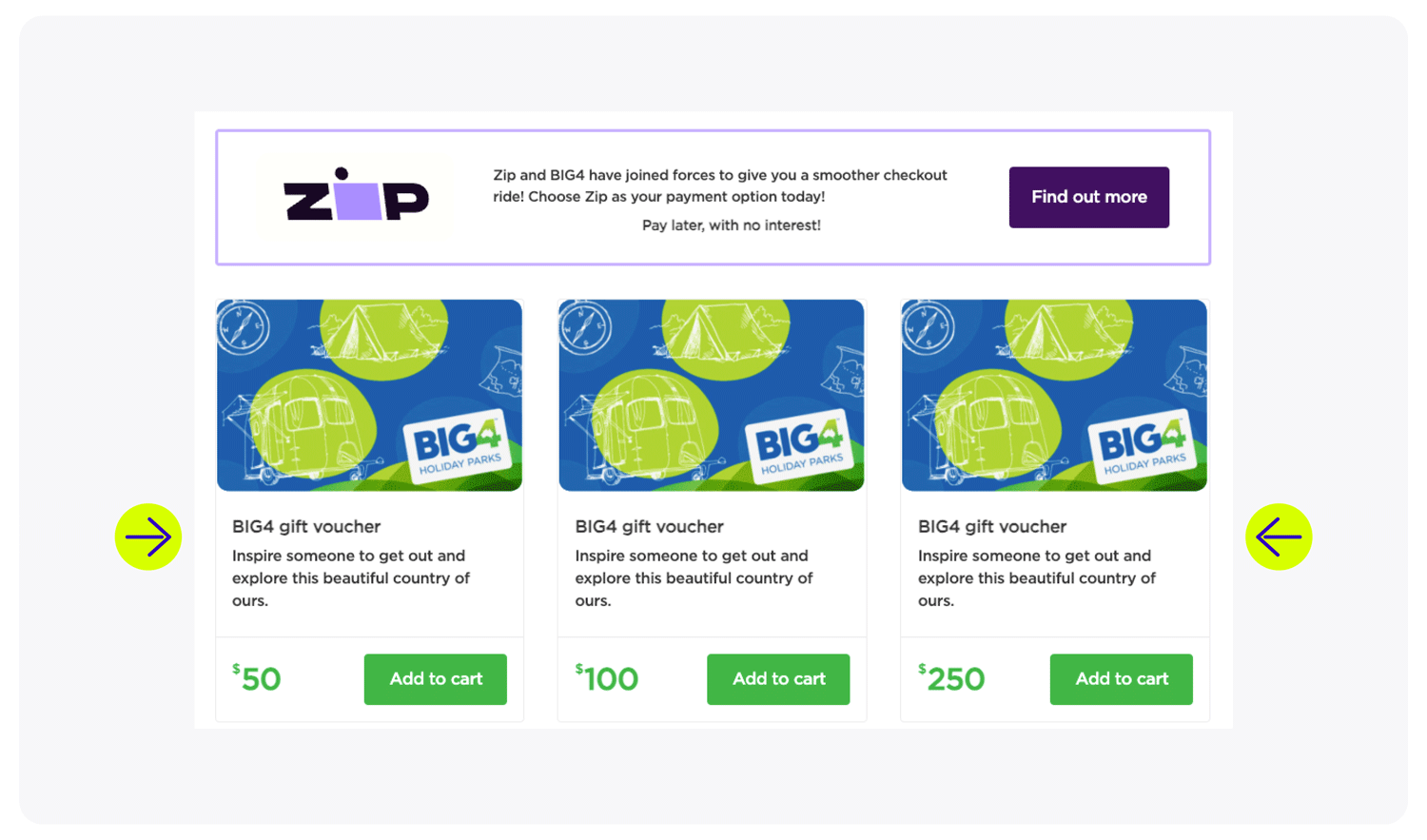
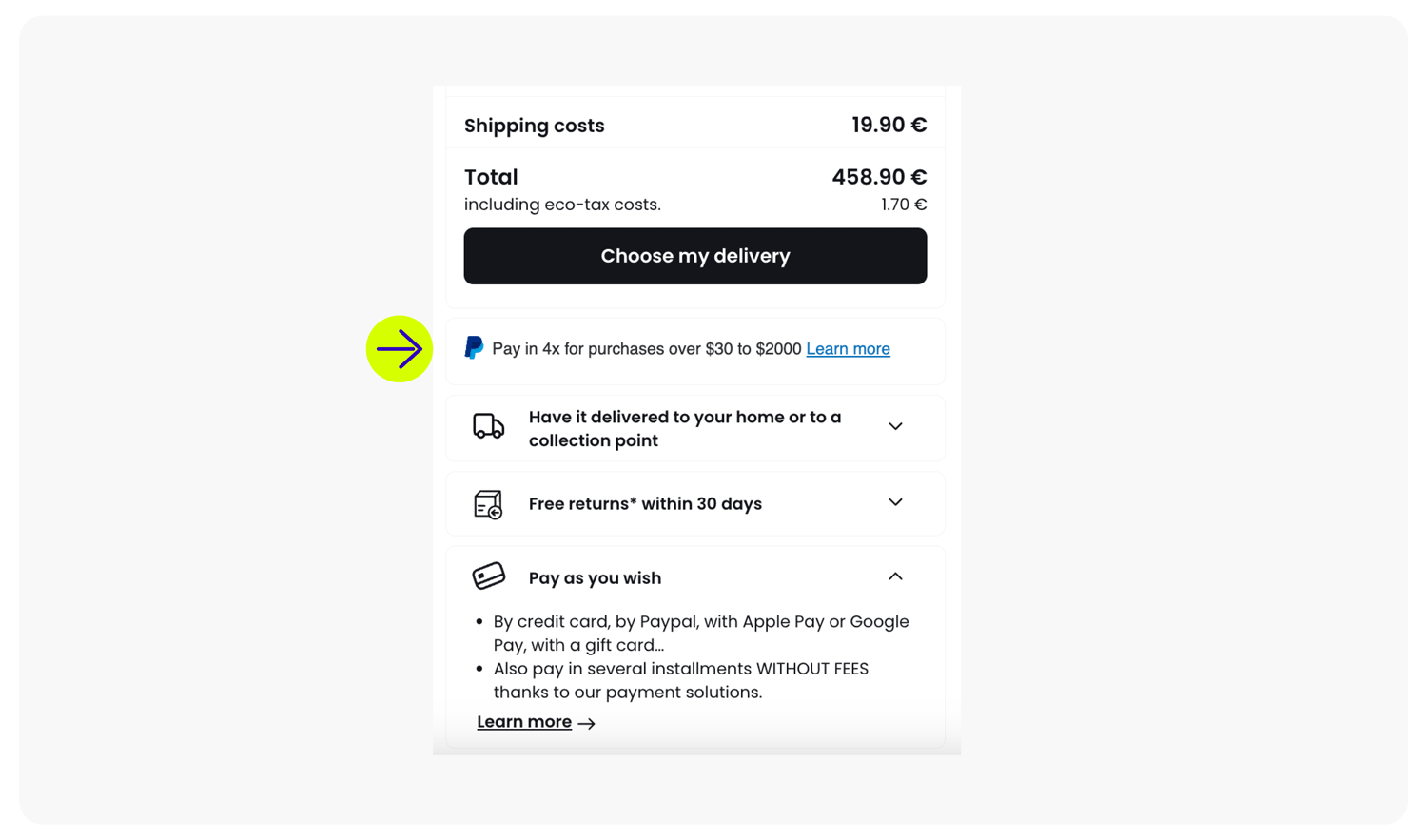
Propose pay later options.
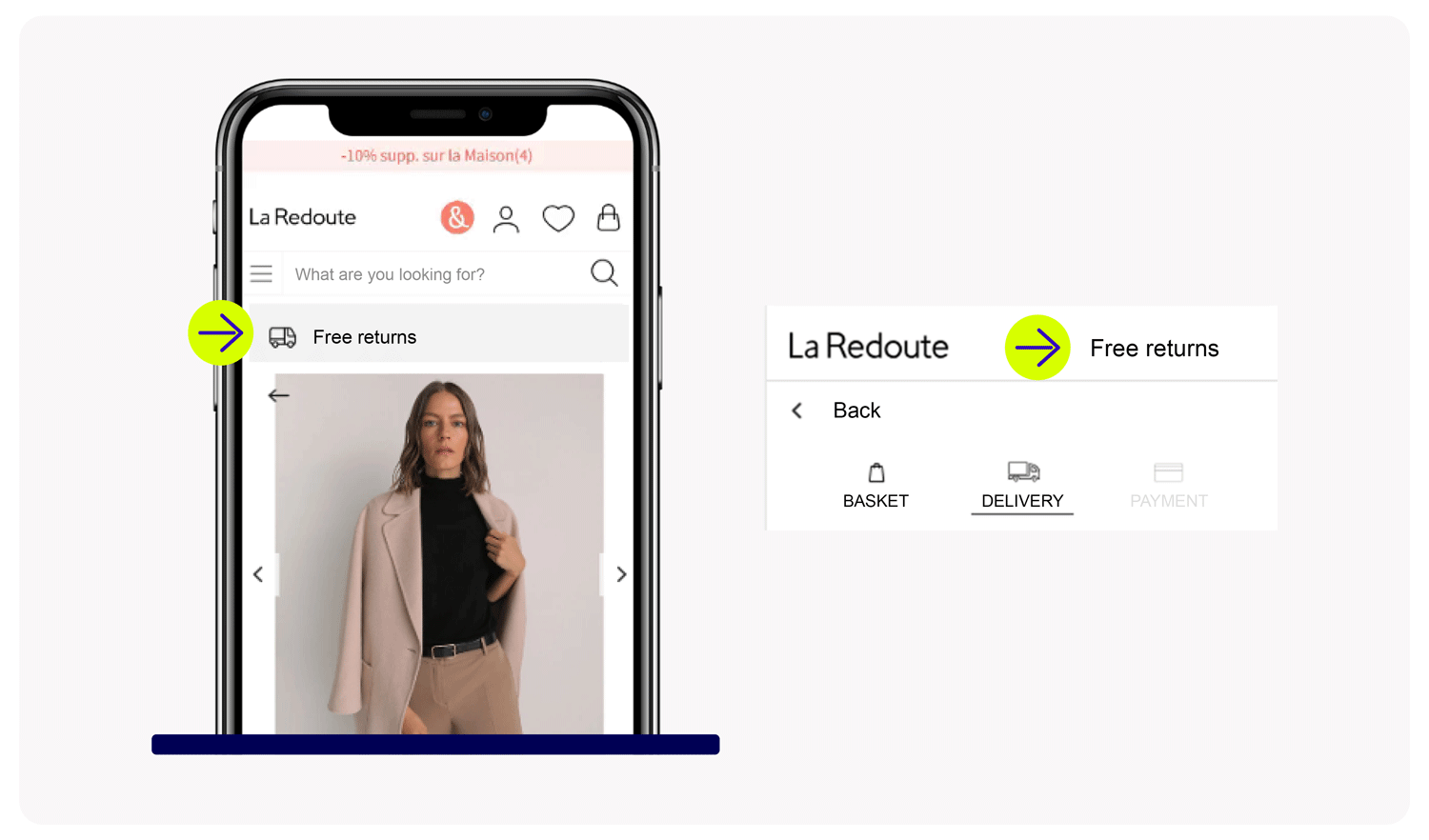
Highlight simplicity: free returns, buy-now-pay-later, and other convenient features.
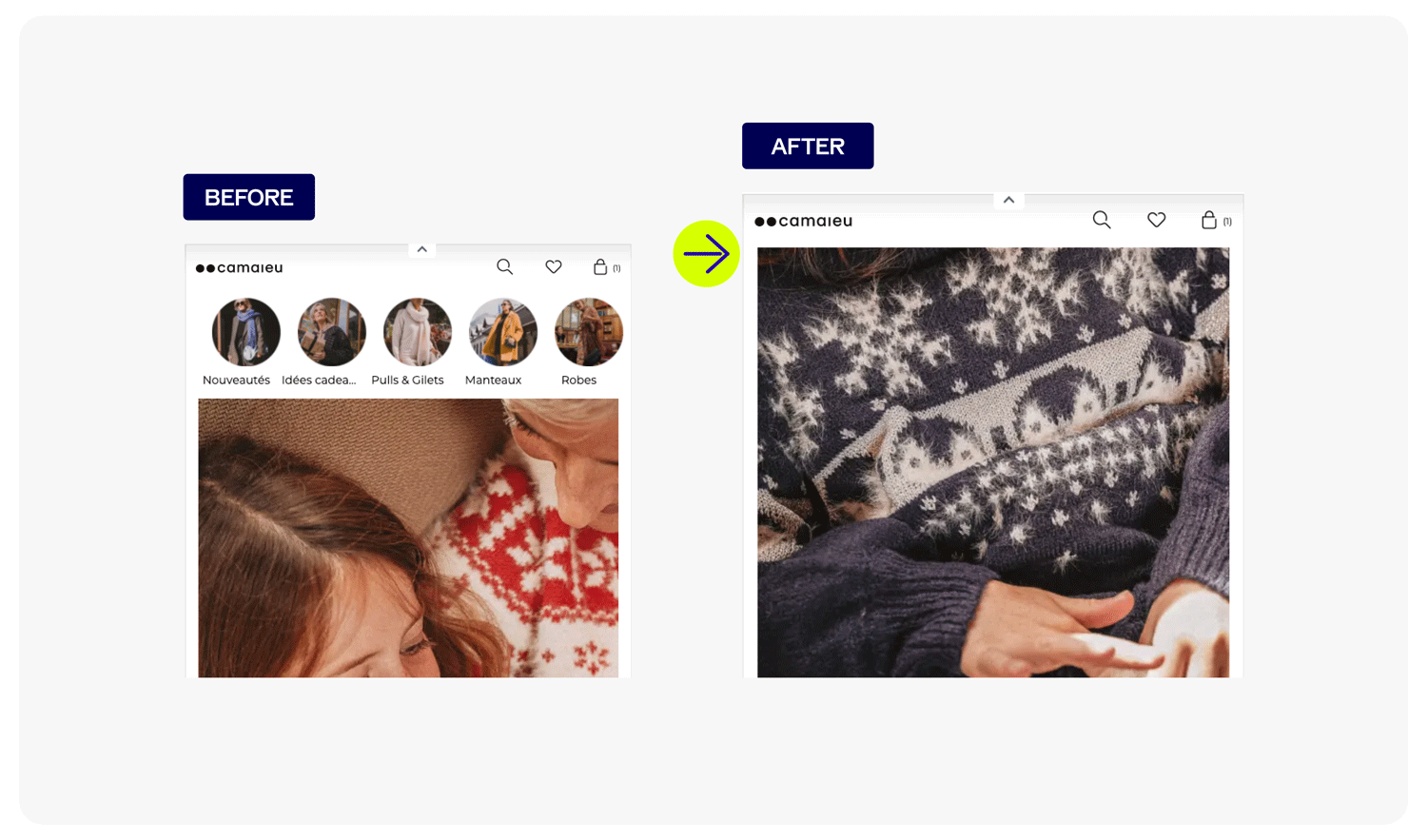
Remove unnecessary items.
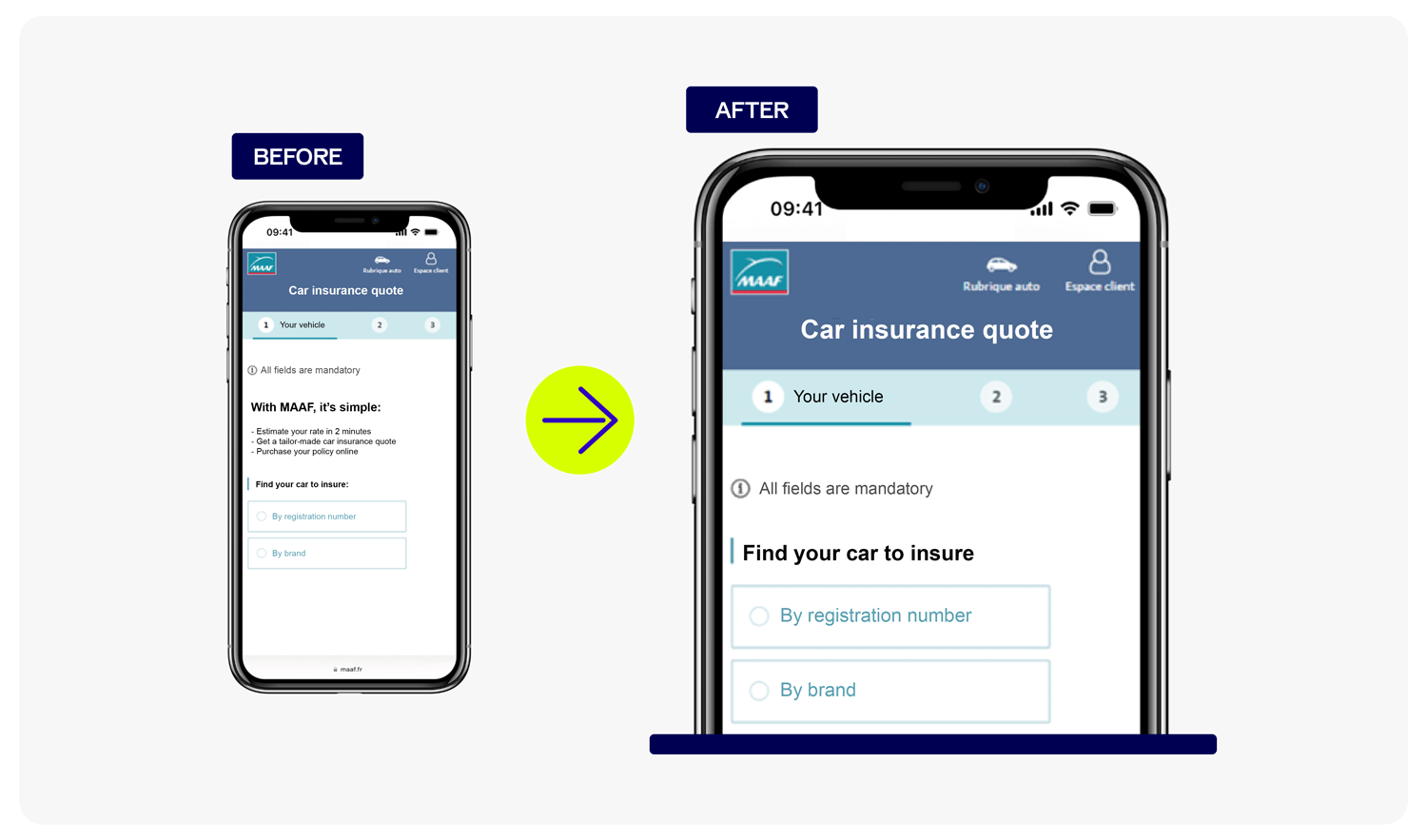
Showing other items might distract these visitors – less is more. For example, the navigation bar from the home page on mobile.
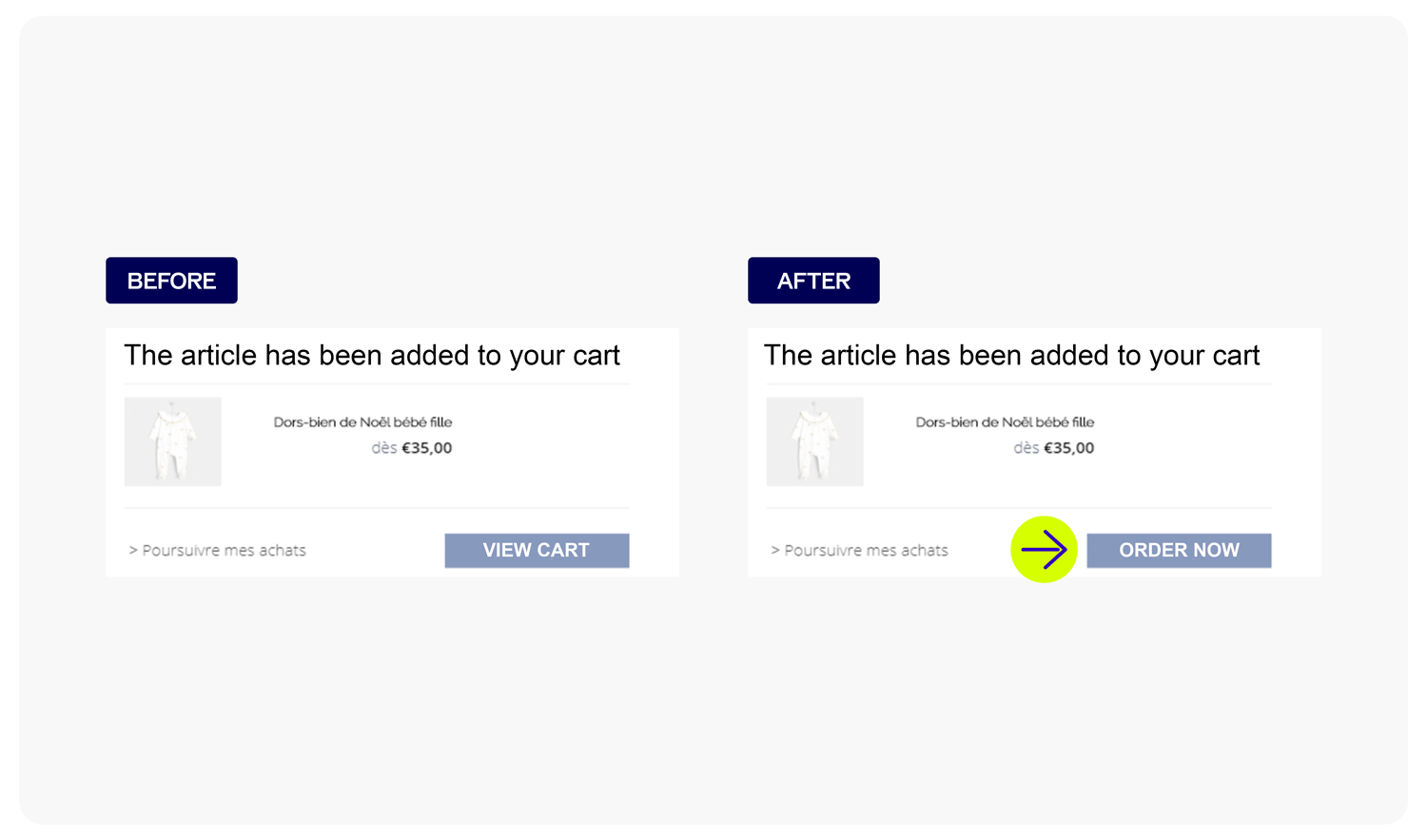
Encourage immediate action with a strong CTA.
The CTA “Order Nowˮ encourages immediate action.
Limit excess information.
Immediacy-oriented visitors are interested in moving fast. They donʼt want to lose time reading the details.
Notoriety
Notoriety-seeking visitors prefer to minimize risk by choosing options already validated by a large number of people.
Characteristics
These visitors follow popular trends and validated choices.
They rely on social proof and reassurance from their peers, favoring well-established choices over uncertainty. These individuals have a risk-averse mindset.
AB Tasty’s toolbox for Notoriety:
Social proof widget
Spotlight widget
Social sharing widget
Best seller recommendation
Use cases
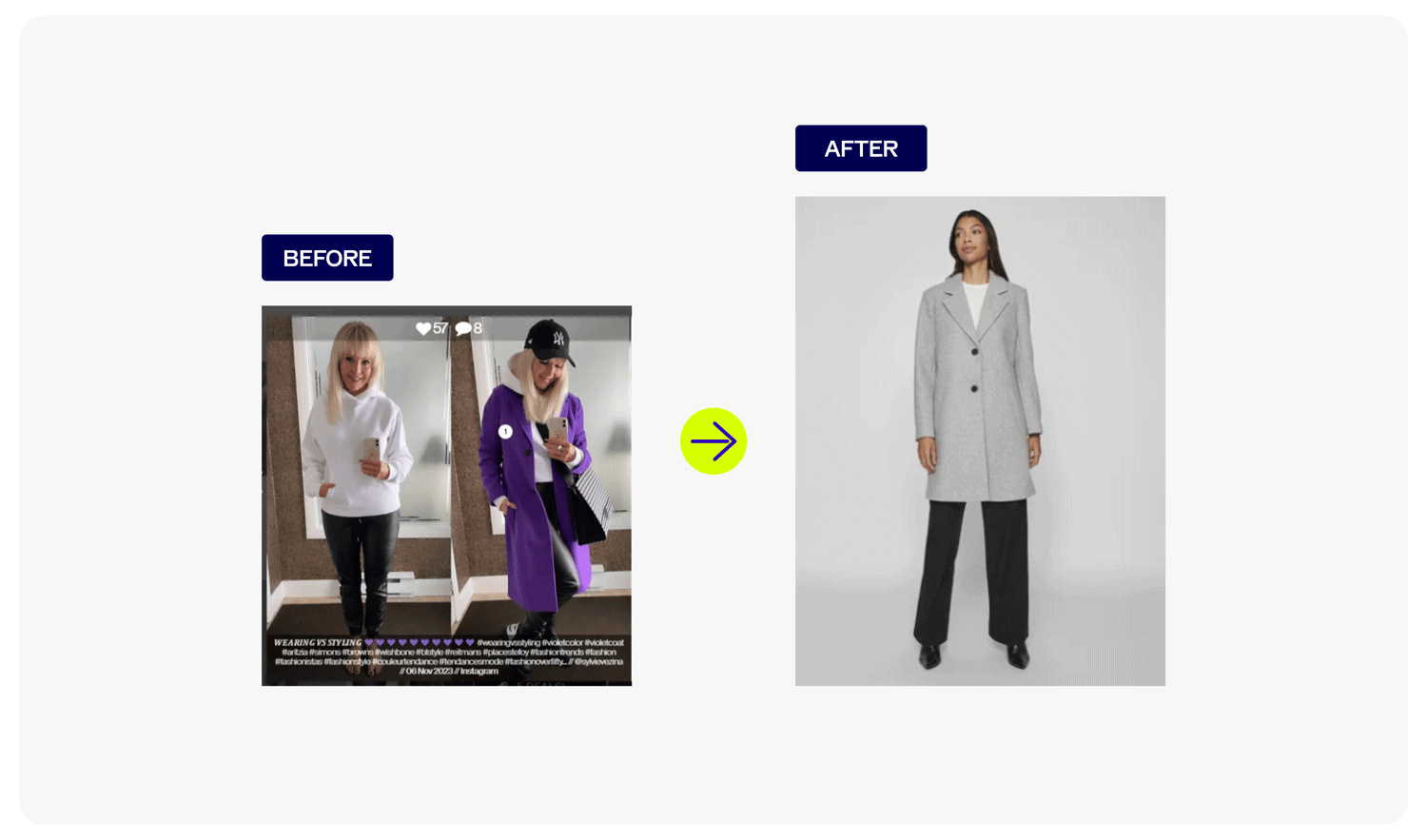
Show high-quality brand content, instead of user-generated content.
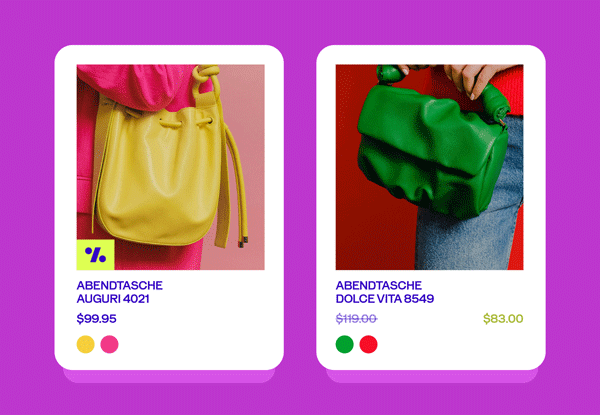
Professional photos on your website will communicate more sophistication.
Highlight details of the guarantee to minimize risk.
Highlight the highest level of quality & guarantees associated with your products,
services or brand.
Highlight classical/historical payment methods.
Highlight how products can be purchased in-store.
Use dark/somber colors.
Notoriety-oriented visitors will perceive a darker color palette as more sophisticated and credible.
Understanding
Understanding-oriented visitors need factual and comprehensive information to make decisions.
Characteristics
These visitors seek detailed, well-structured information to make informed decisions through logical, goal-driven processes.
They value comprehensive and factual content that clear explains their options and supports rational decisions.
AB Tasty’s toolbox for Understanding:
Banner widget
iFrame widget
Video pop-in widget
Progress bar widget
Use cases
Propose more information.
Offer more information to these understanding-oriented visitors so they can make the most informed decision.
Focus on numbers more than on narratives.
Remind visitors about their discount consistently throughout the journey (only for understanding-oriented visitors).
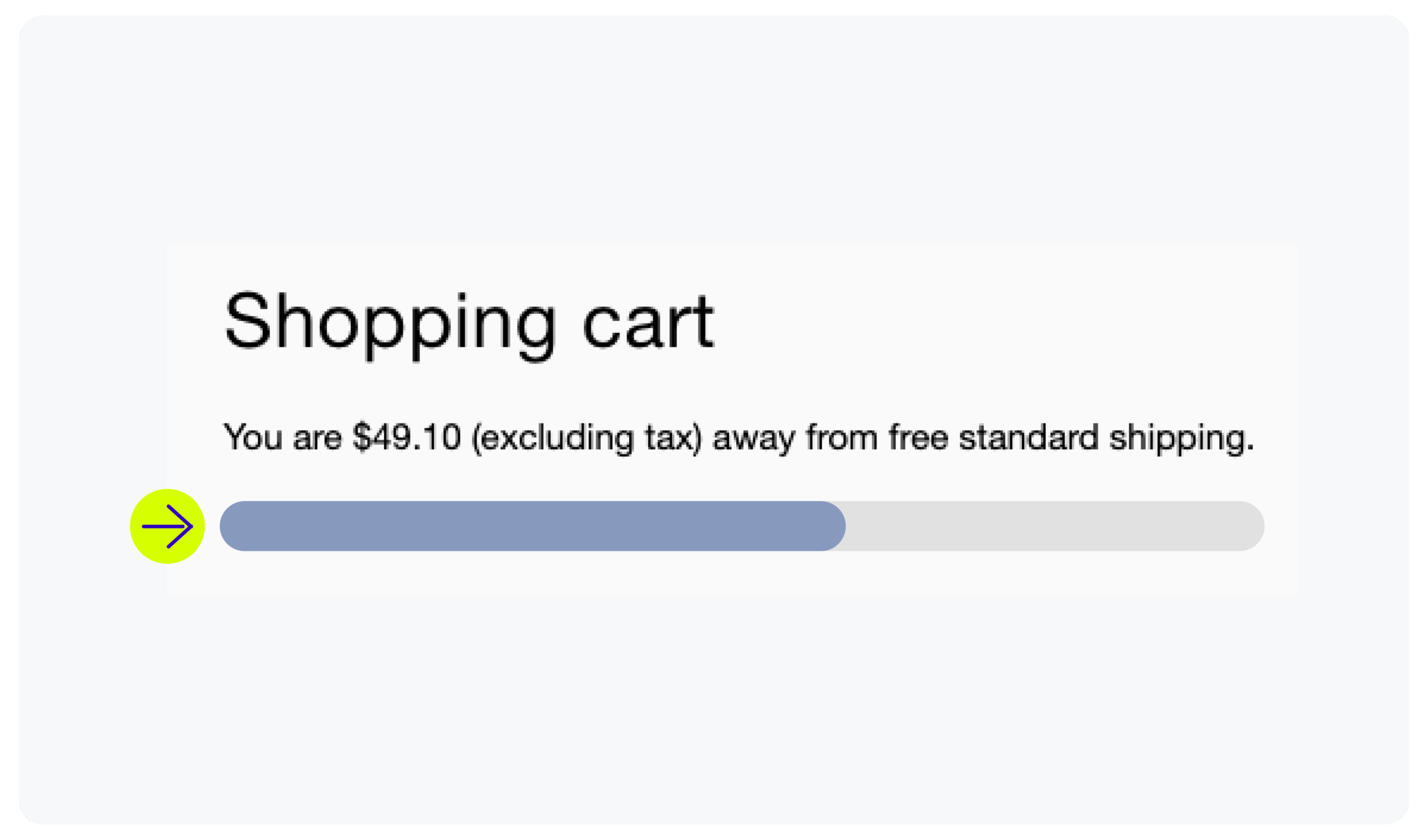
Provide clear goals.
Are they close to reaching the free delivery threshold? Use a progress bar to let these visitors know so they can reach their goal.
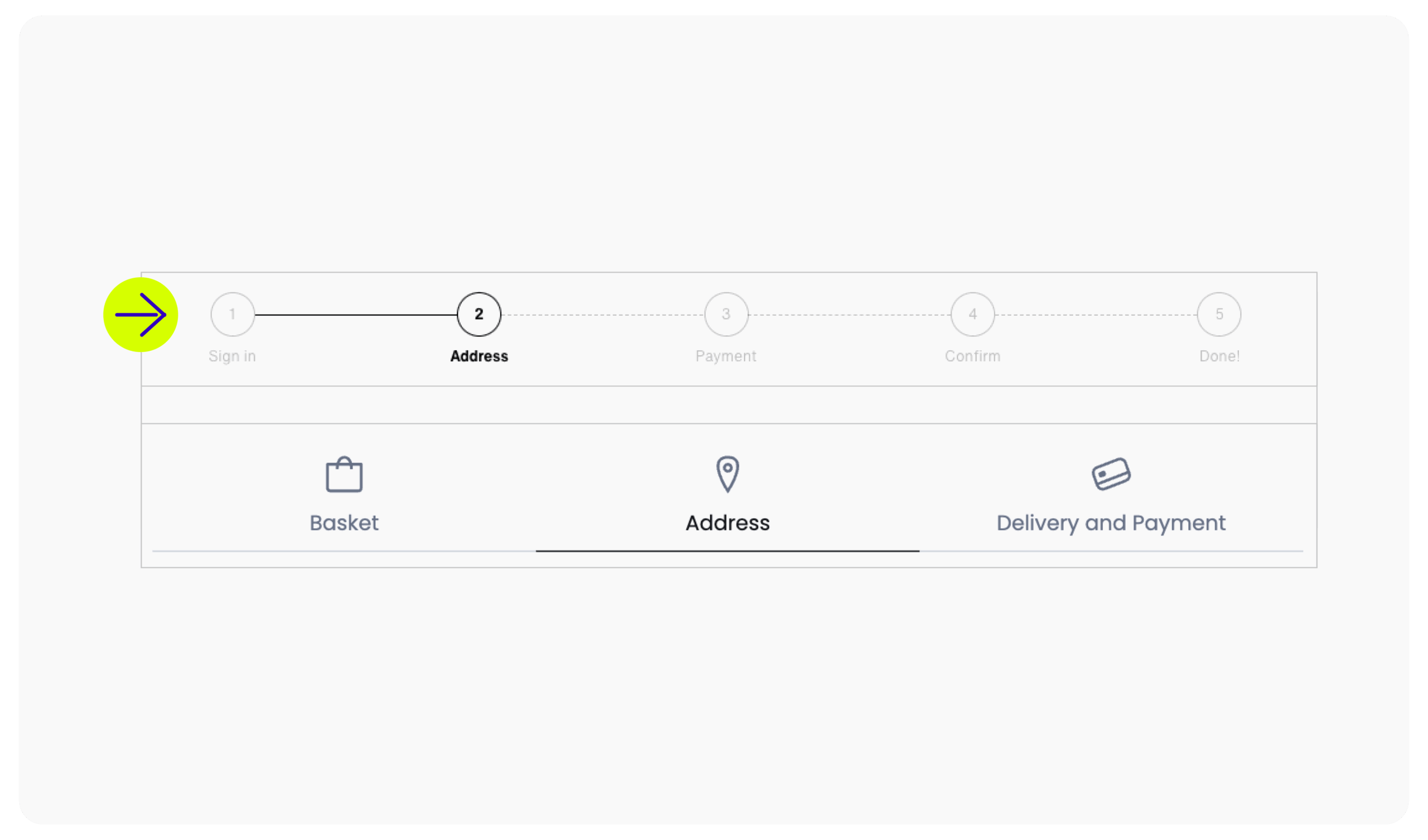
Provide clear check-out steps.
Make each step in the purchase funnel clear.
Change
Change-oriented visitors seek new experiences, fresh adventures, and opportunities to break free from routines.
Characteristics
Adventurous and constantly seeking new experiences, they enjoy stepping out of their comfort zones and exploring unfamiliar places and ideas.
AB Tasty’s toolbox for Change:
Banner widget
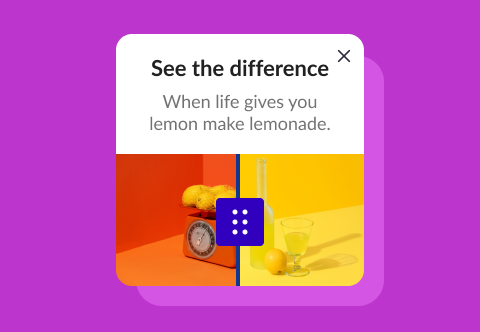
Before/after image widget
Snowflake animation widget
Video pop-in bar widget
Use cases
Highlight new features about products and processes.
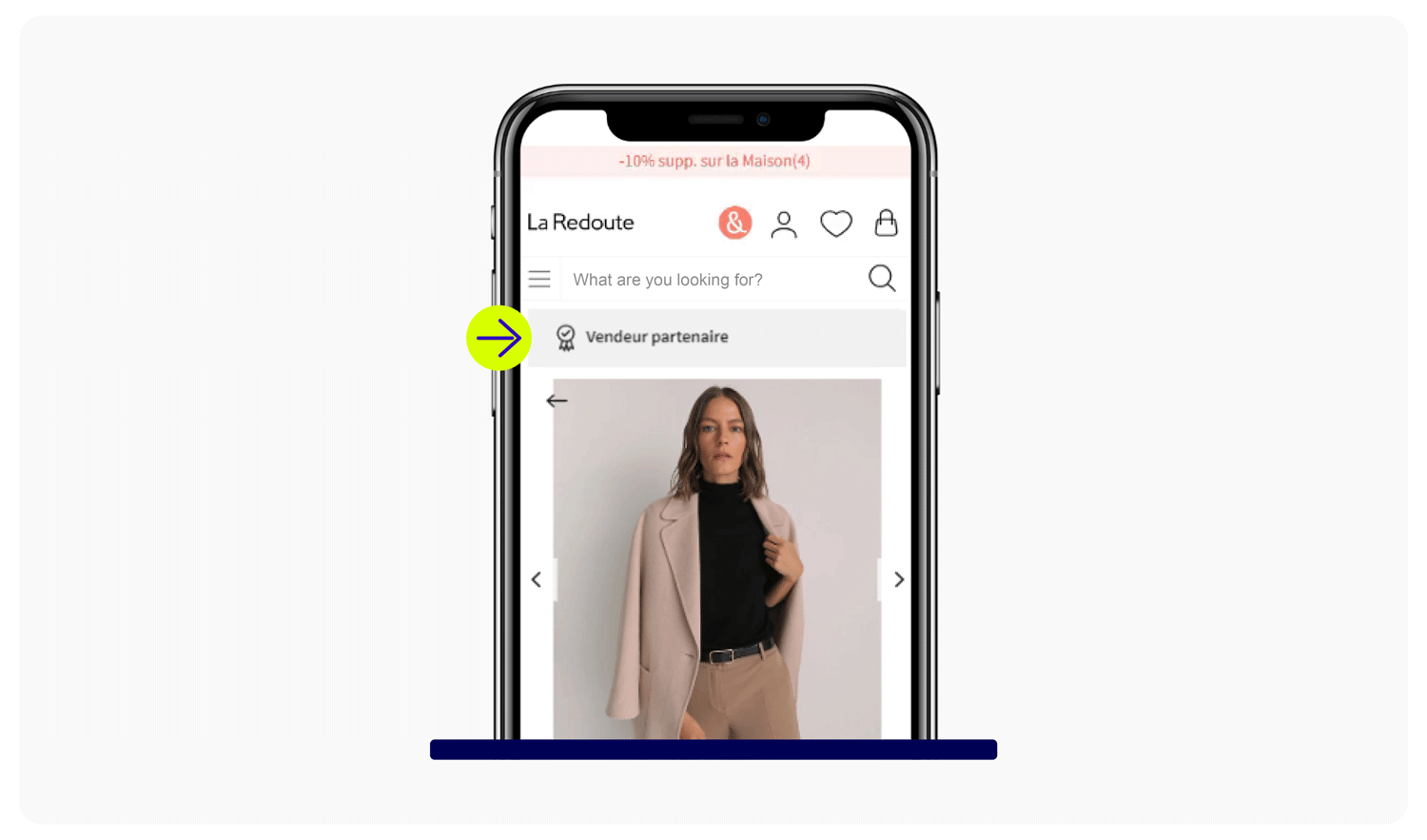
Highlight “Partner vendor” when launching a marketplace.
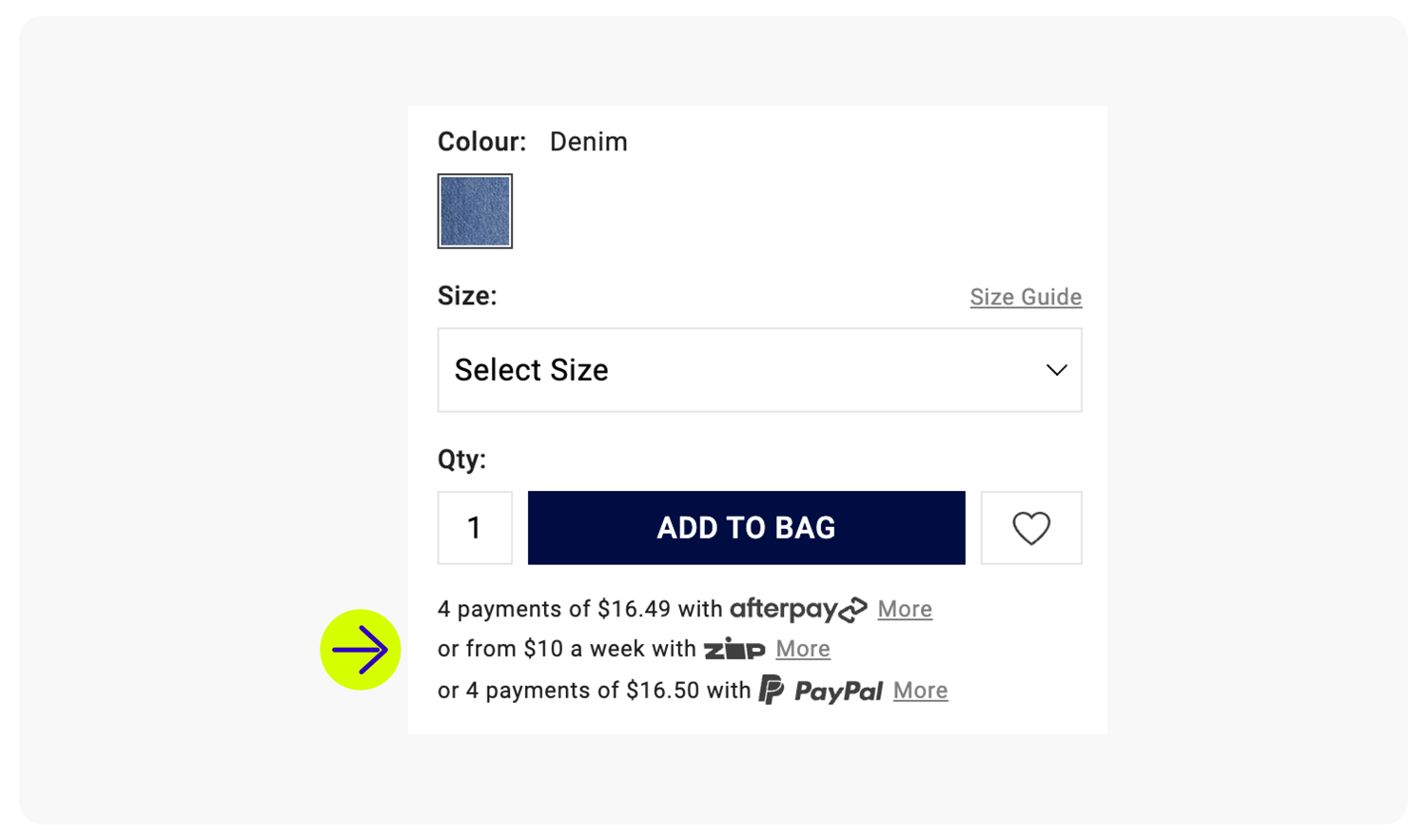
Highlight new/popular payment options.
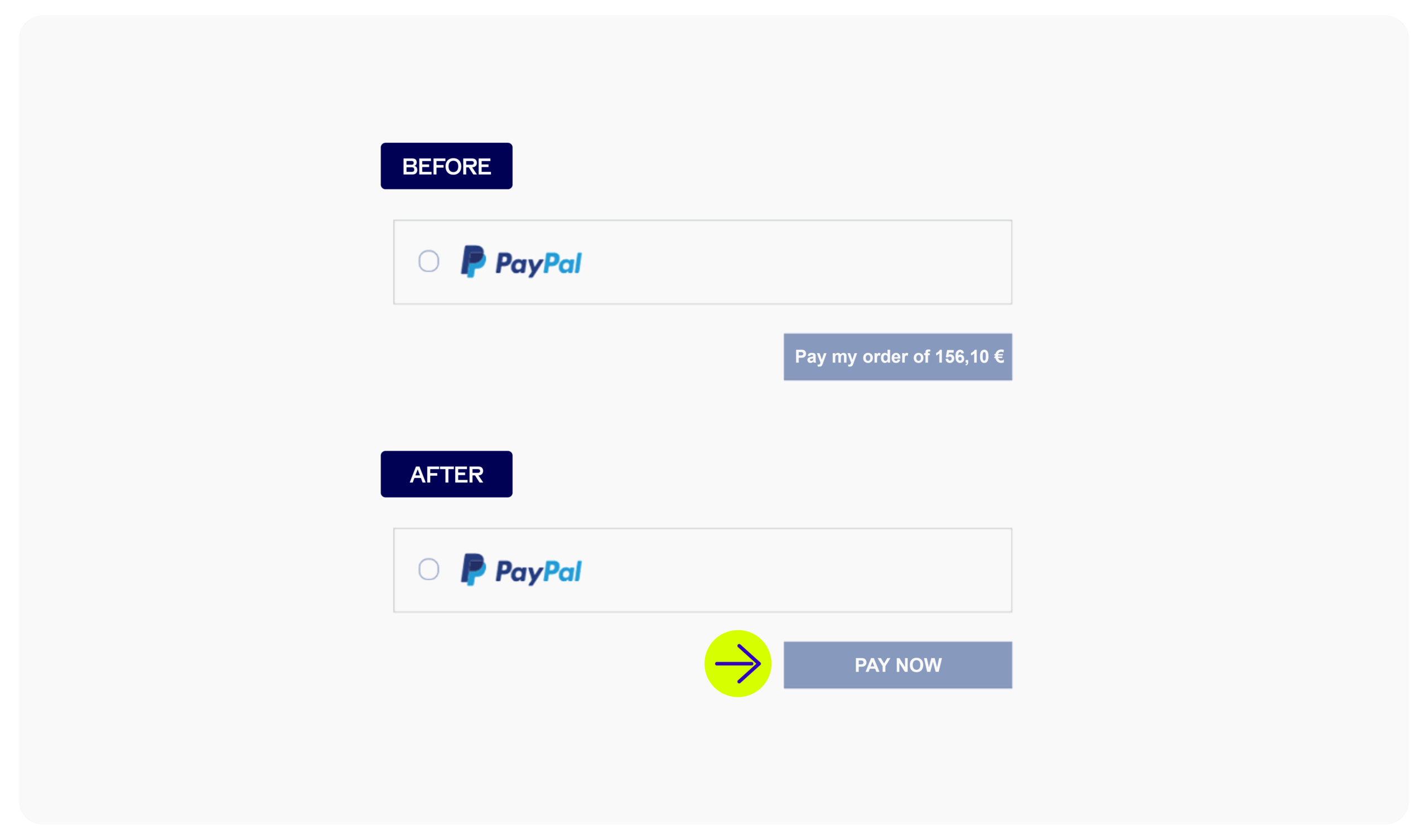
Options like buy now, pay later keep the momentum while shopping online.
Spotlight innovative features.
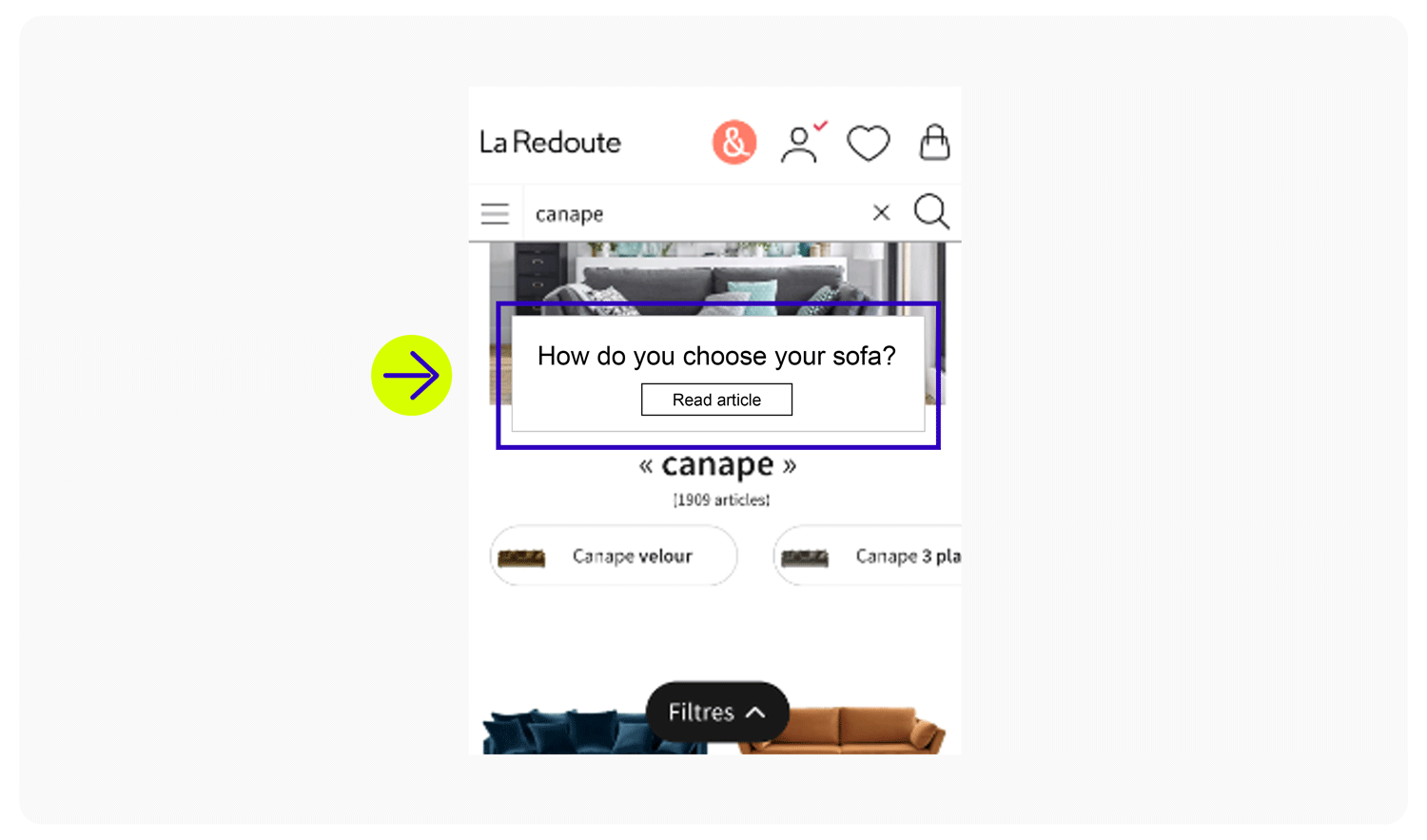
Insert a buying guide in the search results and allow these users the opportunity to explore new information.
Spotlight innovative services.
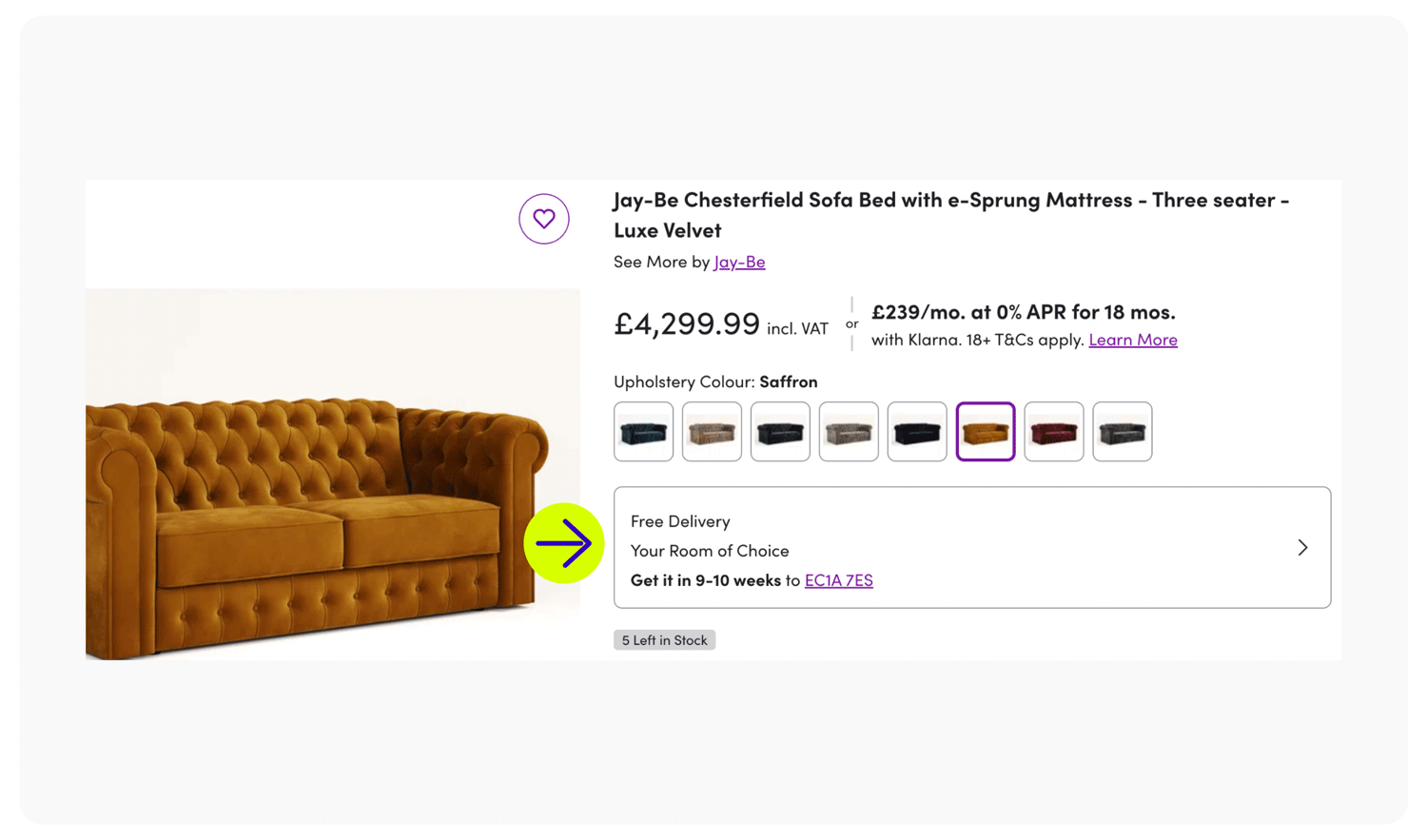
Highlight unique delivery options such as delivering to the room of your choice.
Hide reminders of market standard features.
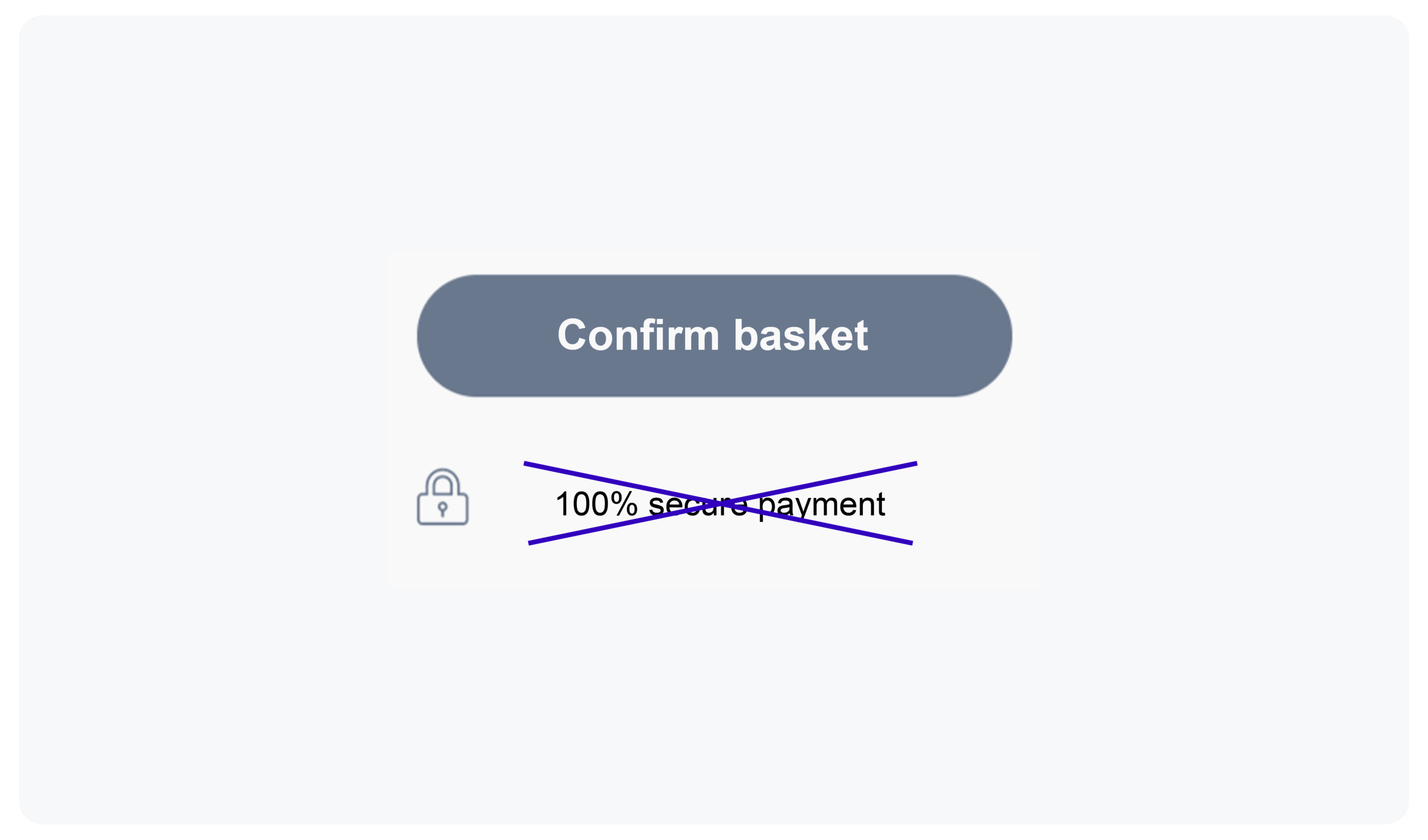
Remove “100% secure paymentˮ that has been a long-time guarantee for online shoppers.
Quality
Quality-oriented visitors need qualitative information to make decisions.
Characteristics
These visitors value high-quality products and prefer stories rather than number-based descriptions.
AB Tasty’s toolbox for Quality:
Before/after image widget
Video pop-in widget
NPS widget
Banner widget
Use cases
Highlight the brand when marketing products.
Add to the product’s story by featuring the brand and other key details.
Highlight the quality of the product from other buyers.
Include detailed product reviews and quality certifications
Donʼt insist on discounts.
These visitors are more interested in quality. Showing them discounts could deter them away from your product.
Highlight well-known payment & delivery partners.
Trusted payment and delivery options are always going to be preferred over less familiar ones.
Conclusion
Discover how EmotionsAI can turn emotional insights into higher engagement, better targeting, and more conversions.
Devred Turns E-commerce Site Into a Strategic Growth Lever Thanks to AB Tasty
35%Weight in revenue
10%Utilization rate
Devred’s Digital Success Strategy:
Recommendations, Merchandising, and Web Experimentationwith AB Tasty
Devred, the iconic men’s ready-to-wear brand, has risen to a major challenge: transforming its e-commerce site into a remove genuine driver of strategic growth.
With 300 physical shops and a well-established in-store identity, Devred has embarked on an ambitious drive to conquer digital experiences, attract younger customers, and boost its online performance.
The company chose AB Tasty to implement a comprehensive solution combining recommendations and merchandising as well as web experimentation in order to, reinvent the online customer experience and maximize its digital impact.
Download our case study to see how Devred achieved significant online sales growth by harnessing improved personalization and strategic merchandising, boosting the digital channel’s contribution to overall sales.
Spark your curiosity!
Get your copy of "Devred Turns E-commerce Site Into a Strategic Growth Lever Thanks to AB Tasty" now.
How GANNI Styles Brand Identity Through Experimentation
Introduction: who is GANNI?
GANNI is a Danish contemporary luxury fashion brand renowned for its ready-to-wear collections, including clothing, shoes, and accessories.
Founded in 2000 and known for its effortless Scandi-cool aesthetic, the brand has evolved into a global name, offering a fresh and vibrant take on modern women’s fashion. With a focus on responsible practices, GANNI is committed to positively impacting the planet, aligning with sustainability initiatives such as using organic and recycled materials. Ganni sells its collections online to customers worldwide, including Europe, North America, Asia, and Australia, making its mark in over 40 countries.
At the heart of GANNI’s business is a community focused on changing a broken fashion system. Led by Ditte and Nicolaj Reffstrup, the brand uses responsible practices as a force of positive change for style, people, and planet.
GANNI has been creating bold, expressive, and responsibly-minded products for radical optimists everywhere. More than just a fashion brand, Thay embrace innovation for responsible progress, integrating creative approaches into every aspect of its business, from products to brand identity.
What does experimentation bring to GANNI?
Identifying itself as a ‘progressive luxury’ brand, experimentation plays a crucial role in how GANNIi’s market position, being customer-centric and defining their brand identity.
While they benchmark and look at other luxury brands, they use experimentation to make better decisions on their brand. It allows them to understand how users behave online, how they engage, how they interact and how they see GANNI. Monika Tamics, Director of Digital Product, explains “We are looking for what customers are struggling with. We identify these, come up with a solution, test it and enhance the online shopping experience by making it easier to find and purchase products, and provide a smoother, more enjoyable shopping journey for greater satisfaction.”
They use AB Tasty to power their experimentation program, successfully running tests that consistently boost conversions and AOV, improve site functionality, and make decisions based on data. By iterating on key features like search, checkout, and more, GANNI continues to improve their site.
Monika goes on to say: “AB Tasty is a platform where there are no limitations, it’s very user friendly, and anyone at any time can go in to look at the data and provide a better user experience for our customers.”
“AB Tasty is a platform where there are no limitations, it’s very user friendly, and anyone at any time can go in to look at the data and provide a better user experience for our customers.”
Monika Tamics, Ganni Director of Digital Product
Driving brand identity through continuous experimentation
GANNI prioritizes the customer in their testing process by identifying pain points in the user journey and implementing solutions to enhance the online experience. To ensure these tests are effective from a business perspective, GANNI’s team evaluates the entire customer funnel, from the initial interaction to the final checkout. This comprehensive approach has revealed key insights.
By focusing on these incremental changes, GANNI’s experimentation strategy not only improves site performance, but also deepens customer engagement, encouraging browsing and product discovery. With AB Tasty empowering them to scale their experimentation program, Ganni is able to continuously test, learn, and optimize their digital experience. Each change brings deeper insights into their identity, helping to define who Ganni is as a brand.
Testing and learning: the search bar
GANNI conducted a large-scale analysis of their website to identify low-hanging opportunities that could make a big impact. One area they quickly observed was the high number of users searching for specific products, a behavior commonly seen across fashion brands. Site search is a powerful tool, often driving higher conversion rates. In fact, studies show users are nearly 40% more likely to convert than those who don’t use it. GANNI’s challenge with their search bar was that it wasn’t prominent enough.
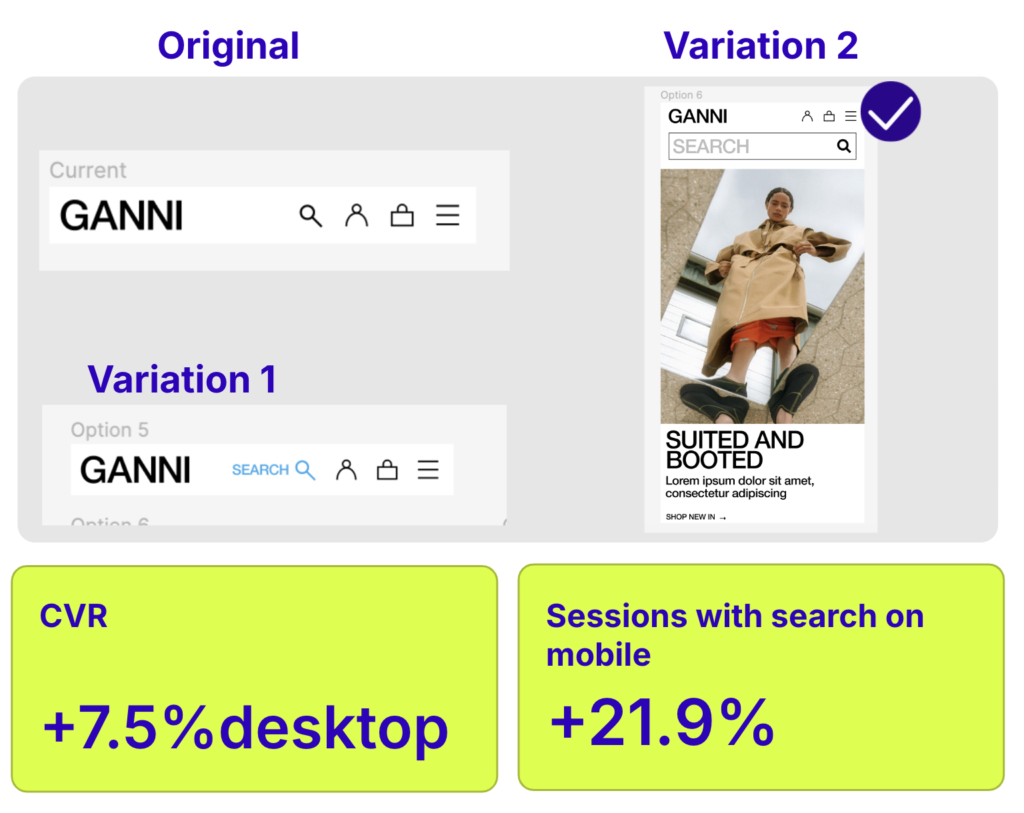
They found that visitors who used their original search function experienced a significant drop in conversion rates. To address this, they focused on making the search bar more visible and user-friendly. They implemented several tests, including adding a border around the search bar, increasing the visibility of the magnifying glass icon, and testing different variations such as a longer search bar with a text hint.
From these simple yet impactful tests, GANNI achieved a 7.5% increase in conversion rates and a massive 21.9% uplift in users engaging with the mobile search function.
Another example of incremental learning, GANNI’s test-and-learn mindset allowed them to experiment with changes that significantly improve their user’s customer journey. By optimizing the search experience, GANNIi made it easier for customers to find products they love, driving higher engagement.
Ganni’s checkout challenge
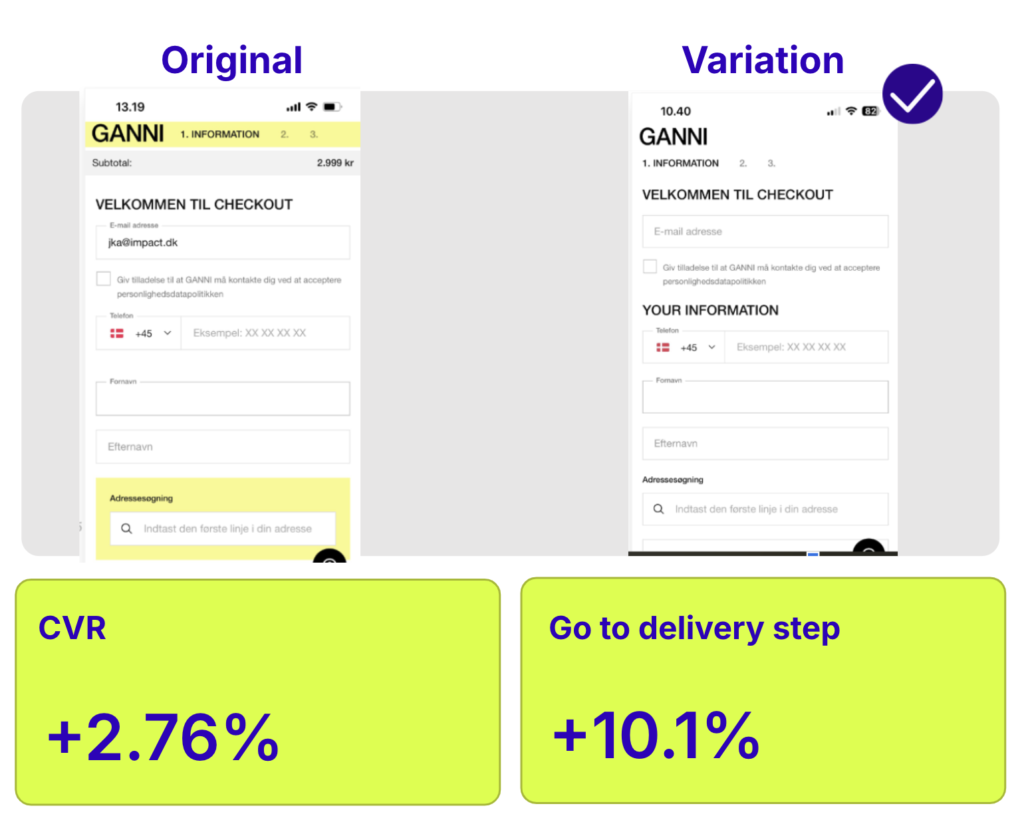
The checkout process presented another key opportunity for GANNI’s experimentation team. Initially, users were required to enter their email address before accessing the checkout page – a step that caused a drop-off in the funnel. GANNI hypothesized that this barrier led customers to assume guest checkout wasn’t an option, prompting cart abandonment.
Not all tests are winning tests and GANNI’s experimentation on the checkout page is a good example of this. During the first round of tests, designed to clarify the availability of guest checkout, gave inconclusive results. Undeterred by the initial results, GANNI’s experimentation program continued testing.
They refined their approach, focusing on simplifying the checkout flow by combining the email entry and information input into one step. The team’s determination paid off, generating an impressive uplift in conversions.
Although it was frustrating when the first round of tests didn’t deliver the expected results, GANNI’s Senior Digital Project Manager, Anders Skaarup, notes how they “provided some kind of insights toward the overall purchase funnel or discovery funnel for the user.” By testing barriers in the user journey, GANNI not only improved conversion rates but also deepened their understanding of how small changes can have a significant impact on customer behavior and these learnings led to them adding more and more improvements on the checkout page.
Small changes, big impact
The checkout process or search function can make or break a customer’s decision to complete their purchase. GANNI’s experience is a testament to the power of iterative testing. By identifying key drop-off points and continuously refining their approach, the team is able to remove friction points and unlock valuable insights into user behavior. Not only does this improve CRO and minimize potential revenue loss, but AB Tasty also improves the brand’s overall digital experience. GANNI isn’t reliant on gut feelings or abstract concepts when it comes to experimentation – the team tests, learns and makes data-driven decisions that shape their brand identity.
A better site for a better customer experience
GANNI wants to speak to their customer group – and the more they can understand them, the better the user’s digital experience. By fostering collaboration across departments, they ensure that all teams are aligned with customer-centric goals.
As Anders Skaarup, Senior Digital Product Manager states, “This is the way that decisions can be made together – based on data that allows us to become an elevated brand. It also means that we can share insights and help prevent loss – it isn’t simply about gaining more – but being able to capitalize on what is there. At GANNI, we want to speak to our customer group – and the more we can understand them, the better the digital experience.”
“At GANNI, we want to speak to our customer group – and the more we can understand them, the better the digital experience.”
Anders Skaarup, Ganni Senior Digital Product Manager
Brand identity
By continuously testing and learning, they gain real-time insights into customer preferences, allowing them to quickly adapt and deliver a digital experience that resonates deeply with their audience.
With AB Tasty, GANNI may gain insights into what drives revenue and user conversion, enabling faster implementation of new designs, but the real benefit is how it informs who they are as a brand and how this relates to their customers.
This unified approach to experimentation, continuous learning, small iterations and identifying areas to improve helps to build a customer experience that GANNI’s audience love and strengthens their market position.
Ulta Beauty’s Palette for Innovation Starts with Experimentation
9%revenue increase
Introduction
Ulta Beauty has been a visionary since day one, striving to celebrate the role of beauty in our lives. The largest beauty retailer in the United States, Ulta Beauty is the premier beauty destination for cosmetics, fragrances, skincare products, hair care products, and salon services.
With core values such as Win Together, Improve Always, and Give Wow Experiences, a part of the company’s digital transformation, Ulta Beauty embraced digital experience optimization as a way to deliver on their vision: To be the most loved beauty destination among guests and the most admired retailer by Ulta Beauty associates, communities, partners, and investors. Ulta Beauty turned to AB Tasty to enhance the retailer’s digital presence by reimagining its Digital Store. The Digital Optimization team, or DOT for short, a dynamic group within Ulta Beauty’s Digital Experience team, was tasked with building and evangelizing an experimentation culture and driving strategic optimization through data-driven insights.
Tasked with improving the overall guest experience through optimization, DOT outlined four focus areas to help guide their efforts.
Conversion: Focused on reducing friction to capitalize on guest demand to drive increased revenue for digital business.
Personalization: Focused on driving an enhanced one-to-one experience for our guests while driving engagement and loyalty.
Guided Discovery: Focused on providing our guests with experiences that empower the ability to browse, learn, and experience new brands, categories, products & services.
Omnichannel: Focused on experiences that combine digital and physical guest experiences and built upon strong cross-functional partnerships.
Why Ulta Beauty Chose AB Tasty for Their Experimentation Needs
The Digital Store of the Future initiative necessitated a shift towards a more data-informed approach to inform the redesign and drive innovation. Ulta Beauty sought a solution that would enable them to be more agile, move faster, and gain valuable insights from experimentation to meet their business goals.
Upon implementing AB Tasty’s platform, the Digital Optimization team conducted innovative tests aligned with their product roadmap and business objectives. They leveraged features such as the social proof widget to create urgency and ran numerous experiments to continuously optimize the guest experience.
“We just love that willingness to partner with us to build out features that help us do our jobs more seamlessly. That’s a huge differentiator from what we were getting from our previous solution. We’ve been able to set up experiments with six variations and multi-armed bandit tests incredibly quickly – with minimal developer support – which has drastically improved our team’s agility,” added Sasha Ostrozovich, User Experience Optimization Manager at Ulta Beauty.
Results and Benefits
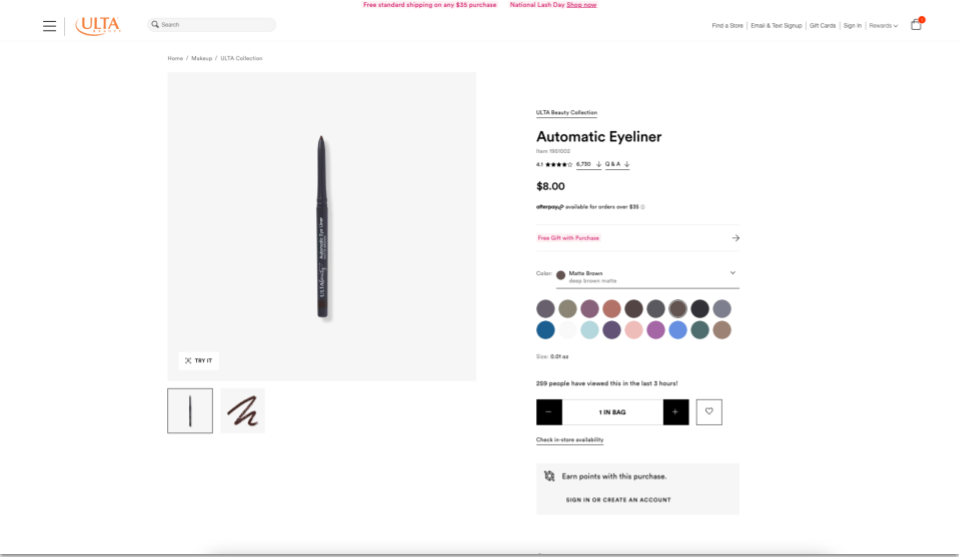
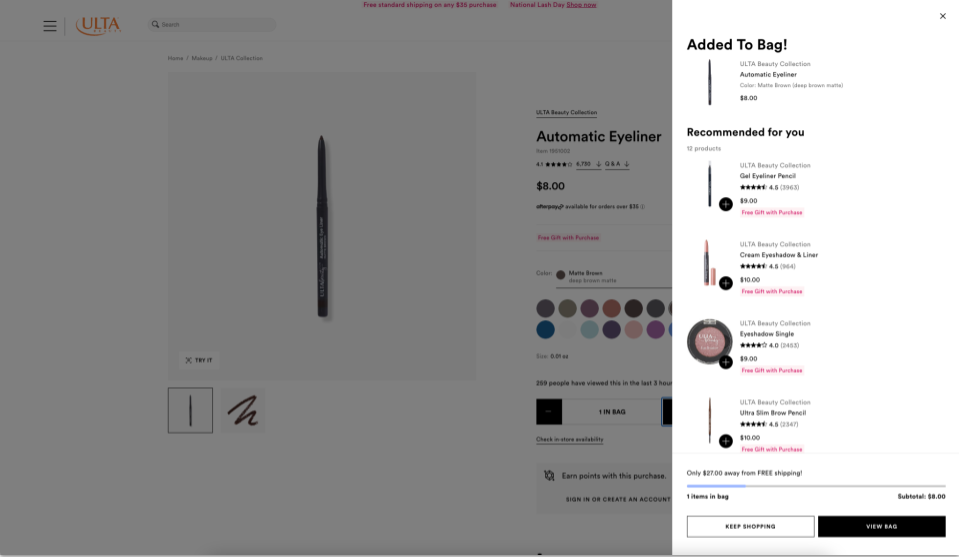
The collaboration with AB Tasty yielded significant results, including notable e-commerce growth and a substantial increase in the number of tests conducted from 20 tests per year to over 65 tests per year, with plans to continue increasing that metric. Ulta Beauty’s ability to gain insights for the redesign and reduce developer dependency was a key benefit of the company’s partnership with AB Tasty. With an eye on driving revenue metrics, the team tested an overlay that included product recommendations when guests added items to their carts.
Original:
Variation:
With the addition of the overlay, Ulta Beauty was able to showcase products that were most relevant to the guest which resulted in a revenue increase of 9% alongside a 15.1% increase in clicks on “add to bag.” Overall the test listed metrics across the board, with a 2.3% conversion rate uplift, a 4.7% increase in items per order, and an increase of 11.5% for bag views.
Not only do the Digital Optimization team’s tests improve business-level performance metrics such as revenue, but they also lend further insight into Ulta Beauty’s guests. These tests prove that the effective use of personalization and recommendations can have significant impacts on the guest experience and help quickly drive results for the business.
Jeff Hamm, Ulta Beauty’s Vice President of Digital Experience and Operations, noted, “2023 marked a phenomenal milestone in our digital transformation. We have a brand new refreshed look and feel, completely overhauled cart, checkout, and guest account features. Not to mention a scalable infrastructure for our future. We’re almost at the finish line, setting the stage for a future filled with growth and innovation. “The transformation has laid a strong foundation, enabling us to scale and enhance our guest experiences. AB Tasty has played a critical role in this transformation, helping our team innovate and validate at a quicker pace with less risk.”
With a heavy focus on innovation, Ulta Beauty has experienced immense digital growth. In a time when guest loyalty is increasingly difficult to secure, Ulta Beauty’s loyalty program grew by 8%, with more than 95% of sales occurring through the loyalty program. Additionally, the work that the team has put into the mobile experience has paid off manifold: over 50% of e-commerce sales occur on Ulta Beauty’s mobile app.
Future Plans
Looking ahead, Ulta Beauty is committed to continuing its experimentation efforts, building a robust personalization strategy, and optimizing the Digital Store to further enhance the guest experience. To achieve this, the team has identified five areas of focus for their testing program.
Streamline the checkout process and optimize landing pages to further improve conversion rates.
Continue to leverage data and analytics to offer personalized product recommendations and content to build on the guest experience.
Prioritize site speed and app performance to ensure a positive guest experience.
Focus on guided discovery through enhanced site search, contextual search, and AI-driven beauty consultations to better facilitate product discovery and decision-making.
Expand options for buy online pickup in-store (BOPIS) and leverage flexible fulfillment means like buy anywhere fulfill anywhere (BaFa).
Spark your curiosity!
Get your copy of "Ulta Beauty’s Palette for Innovation Starts with Experimentation" now.