Main Takeaways
› Learn why your subject line decides the fate of every email you send
› Discover what the best subject lines have in common – and why it works
› Find out how to match your subject line to your campaign goal
› Understand why trust beats tricks every time in email marketing
You’ve heard it before: never judge a book by its cover. But when it comes to email? That’s exactly what people do.
Your subject line is the cover. And it gets judged in seconds.
Email is still one of the most direct lines between an ecommerce brand and its customers. But getting into someone’s inbox is only half the battle. The real challenge? Getting them to actually open it.
According to HubSpot, 35% of email recipients open emails based on the subject line alone – and 21% of subscribers will mark an email as spam if the subject line bores them, even when they know it isn’t.
In other words, your customers are tough to impress. And they should be.
So what’s the secret? Emotion. Because no matter how much we rationalize our choices, our buying decisions are driven by how we feel. Think about what your customer fears, dreams of, desires, and wants — then use that as the foundation of your subject lines to trigger a real response.
Read more: Creating Emotional Connections with Customers Using Data →
Some of the best fashion and beauty brands have been doing this consistently well. It’s time to learn from them.
That said, emotion alone won’t cut it. The goal is still to sell. So hit a range of customer touchpoints — including personalized email subject lines, which are 26% more likely to be opened than generic ones and deliver 6x higher transaction rates.
And with 69% of people marking emails as spam based on the subject line alone, and most inboxes now viewed on mobile, your ecommerce email subject lines need to be short, human, specific, and honest about what’s inside.
Ready? Let’s get into it.
What Makes Email Subject Lines Actually Work?
How many emails did you ignore today? We’re guessing it’s more than you can count with the fingers on your hand.
You probably glanced at the subject line, decided it wasn’t worth your time, and moved on.
That split-second judgment is everything. In a crowded inbox, your subject line is the difference between “open” and “delete” – between a customer who engages and one who drifts away.
The good news? Writing email subject lines that earn the open isn’t a mystery. It comes down to knowing your audience, matching your tone to your message, and being honest about what’s inside. Some of the best fashion and beauty brands have already figured this out.
In this post, we’ll break down exactly what they’re doing – and how you can do it too.
Why Email Subject Lines Matter More Than You Think
You’ve got 30 to 40 characters before your subject line gets cut off on mobile. That tiny slice of text decides whether your email gets opened, ignored, or trashed.
But it’s more than just grabbing attention. A good subject line sets expectations. Get it right, and you build trust. Get it wrong, and you waste the send – and worse, you train people to scroll past you next time.
For ecommerce brands, open rates aren’t vanity metrics. They’re proof that your emails are earning attention instead of getting buried. Every subject line is a small bet. Make it count.
How to Write Personalized Email Subject Lines That Feel Human
Generic doesn’t cut it anymore. When a subject line speaks directly to someone, such as by using their name, their behavior, and their individual incentives – it stops the scroll. Personalization isn’t a nice-to-have. It’s the difference between an email that feels relevant and one that feels like noise.
Email subject lines that induce FOMO
What does FOMO mean? Fear of missing out.
No one likes missing out on time-sensitive deals, including you. Just think of the last time you jumped on an offer because you didn’t want to regret losing out on a good bargain.
In another case, imagine a time when you felt some stress for not having bought something when there was still time, stock, and a good deal.
The same emotional reaction happens to your customers. Whether it’s creating a top-notch holiday campaign, announcing a limited time or a limited stock sale, pick the right set of words like ‘last chance, ‘don’t miss…’, to create urgency. Seeing such offers immediately activates this fear of missing out and drives them to act right away.
It’s exactly why this email from The North Face displays. The simple nudge is enough to get their recipient to grab this one– the last chance to save some money.

Examples of FOMO-provoking email subject lines:
Limited time offer:
- Alice & Olivia: LAST.DAY.DROP.EVERYTHING.
- Dropps: Get 15% off, but move quick.
- UNIQLO: TICK TOCK! Free shipping ends tonight
- Mango: LAST FEW HOURS to enjoy 30% off the entire collection!
Show it’s in demand:
- Nykaa: These will sell out in 3…2..
- Sorel: These stunners are selling out fast
- Olay: Get it before it’s gone!?
- Marc Jacobs: New to sale and going fast
Imply negative outcomes:
- Nykaa: You snooze, you lose.
- Revolve: Say goodbye to 65% off ?
- UNIQLO: Get it before it’s gone
- Nike: Good stuff in your cart…checking out > missing out
More ideas:
- You’ve still got time
- Offer expires tonight
- The stock’s running out
- UH-oh. Your fav styles are (almost) gone
- ATTN: This pack will DEFINITELY sell out
- Saying goodbye is the toughest
- Our top 10 at 10% off for the next 24 hours
- LAST chance to save up to $55
- <New product> is selling like hot cakes
- You’ve ONE day left: FREE shipping +20% off
- Tonight only: Your wish list items on sale
- LIMITED-time offer on items on your wishlist
Email subject lines that drive curiosity
Can you guess what makes crime drama series binge-worthy? Why we click intriguing Upworthy and BuzzFeed posts? Or why we can’t stop reading novels? Blame our inherent need to close the loop between what we know and what we want to know. Otherwise known as – our curiosity!
This is also exactly why when people receive emails with partial information in the subject lines, they feel the urgent need to click ‘open.’
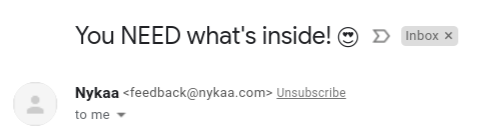
A perfect example is this email from Nykaa. This cliffhanger technique adds a touch of drama and mystery that is enough to tempt people to see what’s on the other side.
Examples of using curiosity in subject lines:
- Huckberry: “Want” — everyone
- Michael Kors: Give us an inch…
- J.Crew: The shorts circuit
- TwoThirds: Meet our unique pieces!
- Revolve Tomorrow’s outfit forecast
- Kate Spade: You’re getting sleepy…
- Steve Madden: TORNADO warning
- Anthropologie: Let us per-SUEDE you.
- Birchbox: We’ve got some ideas for you.
- Sephora: Because you need these.
- Estée Lauder Online: Why’s everyone obsessed with retinol?
- Jimmy Choo: Dreams are made up of these + complimentary global shipping
More ideas:
- Not even in your wildest dreams would…
- Got a sec? Open this email right away, or…
- FIRST time ever on sale
- New launches inside
- Is THIS what you’ve been waiting for?
- You DESERVE this
- Don’t buy from us…
- Before you regret not buying your favs
- Saying goodbye is the toughest
- Did we tell you that…
- This is personal…
How to personalize and test subject lines to maximize your open rate
By crafting a personalized email with your customer’s name or a point of interest in the subject line, you’re ensuring a connection with your customer.
According to Forbes, 72% of customers ONLY interact with personalized messaging.
Personalization is an important way to build trust with your customer and maintain your relationship with them before, during, and after their purchases. If you’re not using personalization in your email campaigns, you’re likely missing out on a huge opportunity.
Whether you’re looking to personalize your email content to capture customer attention or A/B test your subject lines to determine the best-performing phrase, choosing the right software will help you transform your ideas into reality.
AB Tasty is the complete experience optimization platform to help you create a richer digital experience for your customers — fast. From recommendations to smart search, this solution can help you achieve personalization with ease, experiment with a low-code implementation and revolutionize your brand and product experiences.
Email subject lines that spark happiness
Since you already occupy a sacred space in your customers’ inboxes, why not become a reason for their happiness?
A lot of things make people happy. So right from using humor, wordplay, solving people’s problems, appealing to their vanity, surprising them with freebies and special offers to reminding them there’s good in them. For example, if you can relate their shopping efforts to contributing to a social cause, that’s one idea of reminding them there’s good inside. There are plenty of ideas that you can use to really catch their eyes and make them feel unique.
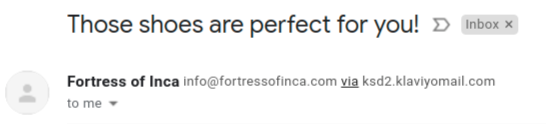
This email from Fortress of Inca, for example, plays the vanity card. Honest confession: I was at the receiving end and I had to open the email because my fabulous choice in shoes was being appreciated!
Examples of subject lines focusing on happiness:
- Pura Vida: Save the Amazon Rainforest!
- Michael Kors: FOOD IS LOVE: Help Us Watch Hunger Stop
- Sephora: Your beauty issues solved
- Nicole Miller: Button me up, Button me down.
- Alice & Olivia: Hot date? We’ve got you.
- J.Crew: We don’t do this (MAJOR) sale too often…
- JustFab: Your FREE money is waiting. We put $30 in your account.
- Pura Vida: Happy birthday to us (gifts for you!)
- DSW: Find out how you can make a difference.
- Patagonia: School lunch made easy
- The North Face: 5 jackets that will have everyone saying…where’d you get them from!
More ideas:
- Our birthday treat = gifts for you!
- Giving > Getting
- It’s true…these will look dapper on you
- What to wear for the New Year’s bash
- Style secrets you can master in under 10 minutes
- Your winter break packing list is HERE!
- You’re one click away from shopping complete spring look
- Impressed by items in your card: Buy ‘em before they’re gone
- You earned what’s INSIDE this email
Email subject lines that create excitement
So far we’ve already established that humans are emotional creatures. Let’s now use excitement to get your sales meter ticking, because chances are that it results in impulse shopping.
Selling to customers is much easier when they’re excited and in touch with their emotions. In a state of excitement, your level of enthusiasm brings you to think and behave differently.
There are a number of ways to get the excitement level up. You can start by highlighting the exclusiveness of your offer, adding social proof (drop names and numbers), capitalizing action verbs to motivate action completion and even using emojis and exclamation marks.
In the email subject line below, team Pura Vida does two things — attract attention and excite the subscriber with the clever use of an emoji, the word ‘holy smokes,’ and a few ‘!

Examples of Building Excitement in Subject Lines:
- J.Crew: What Adam Scott thinks of our suits
- Anthropologie: Just for you: the inside scoop
- Pura Vida: Special offer (but only for our BFFs)
- Olay: Over 50 million sold
- Sorel: Meet our exclusive Frozen 2 boots
- DSW: Reviewers have spoken: “BEST BOOTIE EVER!”
- Steve Madden: Take our shoe stylists’ word for it
- Meundies: Well, this is exciting!
- Adidas: You’re in. Welcome to Adidas
- Revolve: This collab was made for you
- theBalm Cosmetics: Welcome to #THEBALMERS community!
- Victoria’s Secret: 60% off bras & apparels, in stores only! GO, GO, GO!
More ideas:
- Beyonce-approved autumn wear you can’t say no to
- Sweet launch discount (for members only!)
- Howdie! Your faves are back in stock
- Sshh…you’re the FIRST ONE to be seeing this
- It’s between you and us ONLY
- For your eyes only, because you wanted it
- Baby, it’s baccccck!
- It’s your birthday! Get 30% off, a FREE gift and free shipping.
Ready to Craft Email Subject Lines That Deliver?
Full disclaimer: It takes a lot of A/B testing and patience to come up with subject lines that stay within the 40-50 characters limit and stir the right emotions. Thankfully, now you’re aware of which emotions to go after and how to invoke emotional decision-making.
So it’s time to get to work! But before you go, and for maximum impact, keep these equally important things in mind:
- Match your brand personality with the tone of voice of your subject lines.
- Segment your audience to send targeted/personalized emails.
- A/B test your email send times.
If you want… | To build trust with social proof |
To spark curiosity | The secret to your best glow yet is inside… |
To lean into FOMO | Don’t let this one get away. (Seriously). |
To reward bargain shoppers | A little treat for your cart: 20% off starts now. |
To make it personal | Hey [Name], we think these would look great on you. |
To build trust with social proof | See why 10,000+ people are obsessed with this serum. |
Your brand doesn’t have to face personalization tactics like creating the perfect emails alone.
Ready to go further, together?
Optimize to Find Your Better
FAQs
Still have questions about how AB Tasty can help fashion brands? Here are the answers you need.
How can fashion brands personalize experiences in real time, even for anonymous or first-time shoppers?
Fashion brands use AB Tasty’s AdaptiveCX to deliver instant, cookieless personalization by analyzing a visitor’s active in-session signals within milliseconds. This allows brands to dynamically reorder content like homepage carousels based on immediate shopper interest, representing a new era of personalization that adapts to the user.
How does AB Tasty use emotional behavior to segment and convert fashion shoppers?
AB Tasty’s EmotionsAl helps brands segment shoppers by analyzing their “digital body language” to identify underlying emotional motivations, such as a need for competition or comfort. By tailoring messaging and social proof to these emotional needs, brands can dramatically increase engagement and step into a new era of emotional personalization.
How can fashion brands resolve shopping anxiety around sizing to increase purchase rates?
To address sizing hesitation, fashion brands use AB Tasty to easily test localized size charts and clear fit recommendations directly on product detail pages.
This simple experimentation removes shopper anxiety and builds the confidence needed to complete,

About the Author
Stephanie Safdie
Stephanie Safdie holds a bachelor’s degree in English Language and Literature from the University of Maryland, specializing in multimedia studies. She has worked as a social media video creator, freelance copywriter, SEO copywriter at Greenly climate tech, and runs a travel blog Destination Dreamer Diaries.




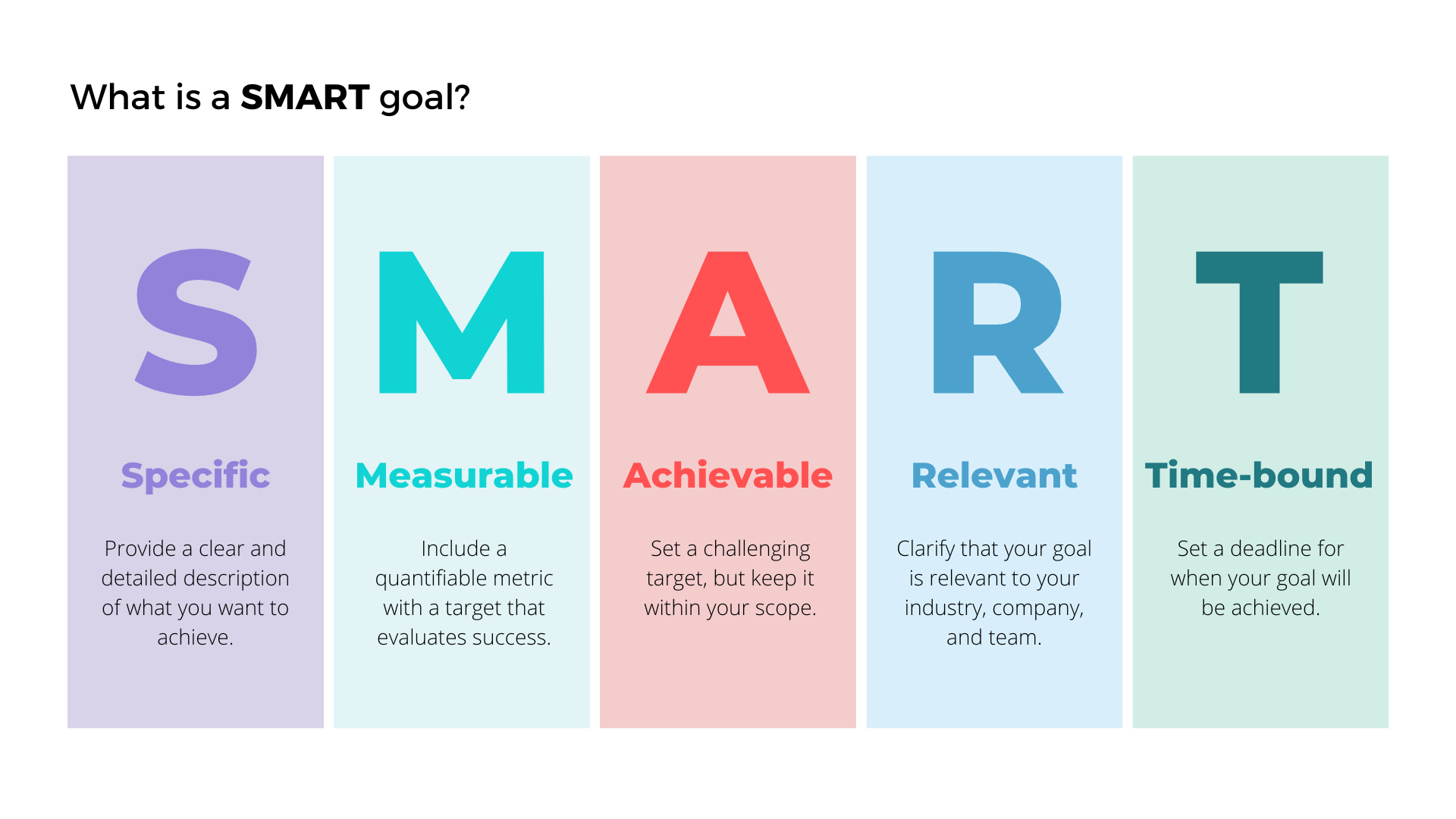 Once all these criteria have been met, a KPI can be properly designed and implemented with confidence. However, it will need monitoring and adjustment as time goes on once the KPI has been fully integrated.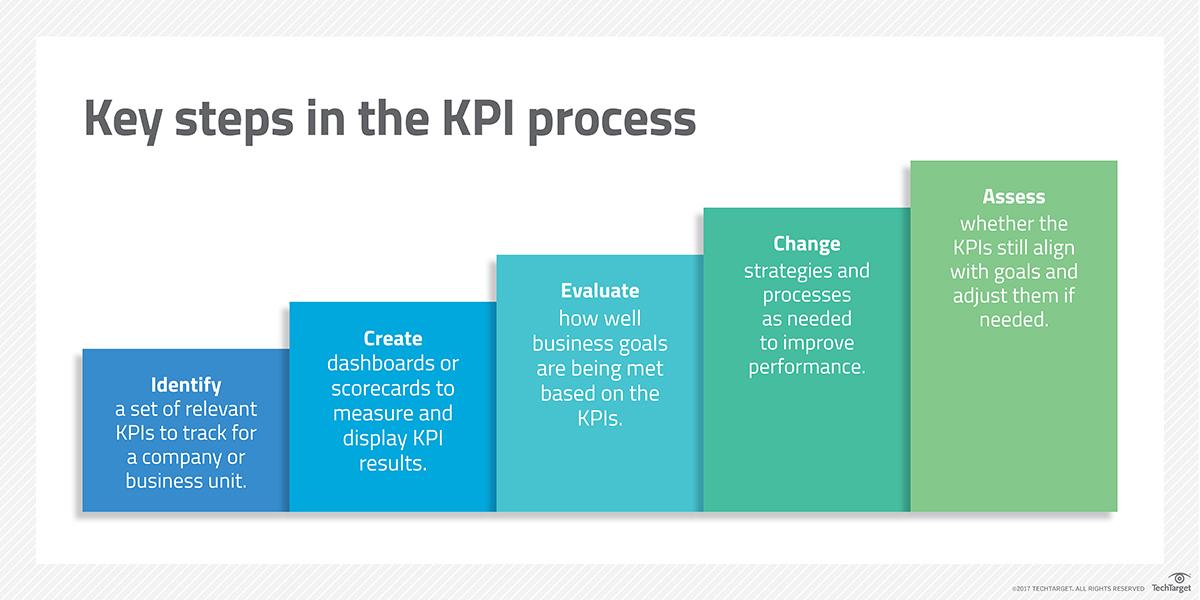




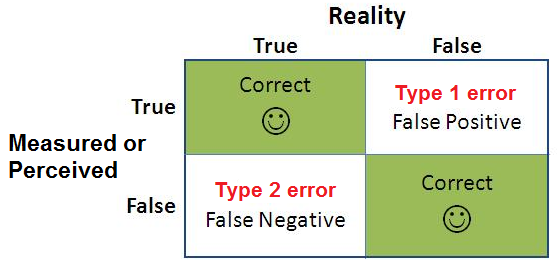
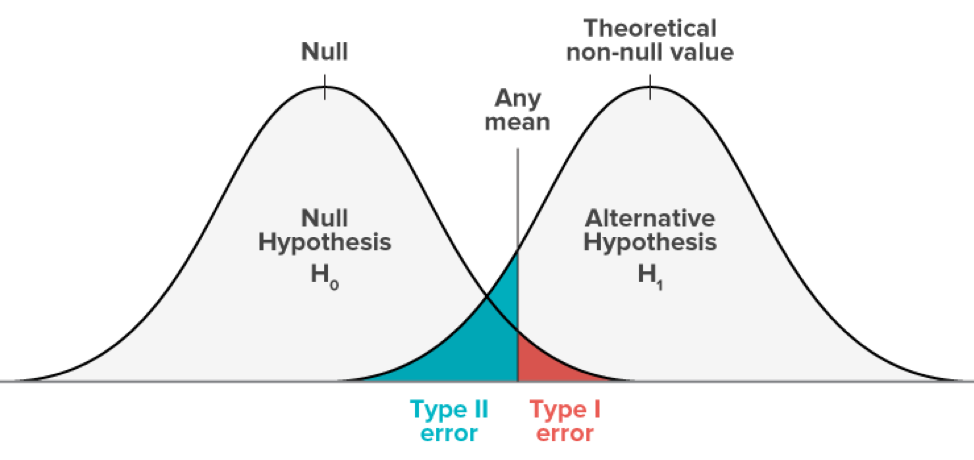
 You launch an A/B test to see if the variation (B) could outperform your control version (A).