
Article

13min read

How to Get More Instagram Followers for Your Retail Brand

Changes in shopping habits, advances in technology, and a more competitive landscape mean that high street brands are closing or reducing their physical locations.

Businesses used to be able to get by with a website and basic social media profiles, but now, in order to survive as a retail brand you have to work harder than ever to reach, attract, and engage with shoppers online.
Users want to engage with brands in a personal way. As a brand, you need to build a community, establishing rapport with your existing and potential customers, and tell your brand story.
For this purpose, Instagram outperforms all other platforms. Arguably, it’s the best place for you to promote your brand and engage with your users.

And with a massive one billion monthly active users and 500 million daily users, it’s hardly surprising that savvy retail brands include increasing their Instagram followers in their social media strategies.

But it’s more than just the sheer size of Instagram’s audience.

Take a moment to consider these statistics about actions consumers take after they’ve followed a brand:

  • 87% visit the brand’s website or app
  • 78% visit the brand’s physical store
  • 78% talk about the brand with friends and family
  • 77% choose to buy from the brand instead of another
  • 67% increase spending with the brand
  • 53% engage with that brand on social media

Any doubts about the power of Instagram and social media for your brand should be well and truly quashed by those figures.

If you’d like to generate more followers for your retail brand from Instagram, here are five tips from AB Tasty to do so.

Tip 1: Increase Instagram Followers with Instagram Stories

More than 80% of brands surveyed by SEMRush used Instagram Stories as a part of their social media strategy.

That’s because Instagram Stories are perfectly placed to humanize your brand and engage users, all while generating leads and sales.

The results are impressive too.

A whopping 68% of users on Instagram engage with brands, as opposed to just 32% on Facebook.

That’s because Instagram allows brands to show their personality in a way that’s engaging, interactive, and human, with features like geographical location tagging, gifs, hashtags, polls, and so on, all designed specifically to grow your following and increase engagement.

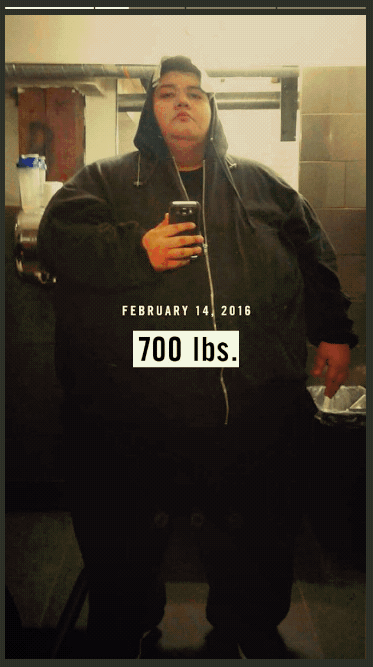
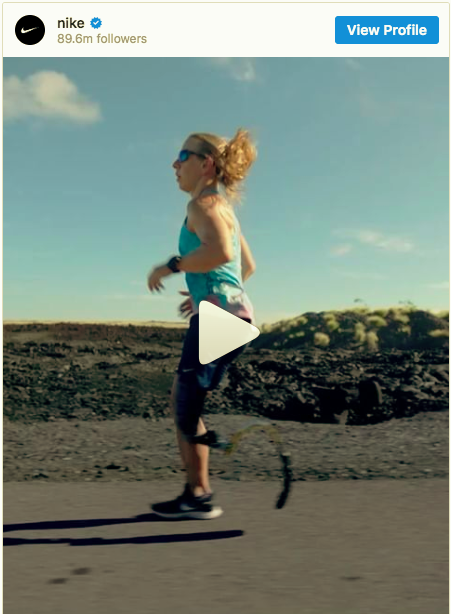
Brands like Nike, for example, don’t use Instagram Stories to sell products or brag about its successes; Nike uses them to share the experiences of inspirational people and athletes like “thatbigguy700,” the story of a 700-pound man on a journey to lose weight.

instagram-followers-stories
Photo credit to thatbigguy700

Or the story of Paralympian Sarah Reinertsen’s determination to compete despite missing one leg.

instagram inspirational stories
Photo credit to Sarah Reinertsen

Tip 2: Increase Instagram Followers with Macro and Micro Influencers

Influencer marketing is one of the best ways to quickly build your Instagram following and increase brand awareness among your target audience.

In fact, Forbes found that influencer marketing is growing faster than digital ads. 

Influencer marketing is successful because it uses a pre-made audience and leverages the relationships, trust, and credibility an influencer has with their fans.

People respect and trust influencers’ content and recommendations and are more likely to buy based on the suggestions of the people they trust.

There are two types of influencers:

  • Micro influencers: 1,000 to 100,000 followers
  • Macro influencers: 100,000+ followers

You may be tempted to dive straight in with macro influencers as, clearly, the reach is far greater.

However, the type of influencer you need will depend on your business type, business objectives, and your budget.

Studies show that micro influencers get better engagement, are perceived to be more trustworthy, and are cheaper.

In fact, micro influencers offer the following benefits:

There’s no right or wrong type of influencer, but you do need to find one (or more) that fits with your brand goals.

For example, if you’re a smaller brand aiming to make sales, micro influencers could be a better fit. On the other hand, if you’re a global brand looking for increased reach and brand awareness, consider macro influencers.

In reality, the most compelling is a blend of micro and macro influencers.

Here’s how to find Instagram influencers.

Option One: Search Instagram

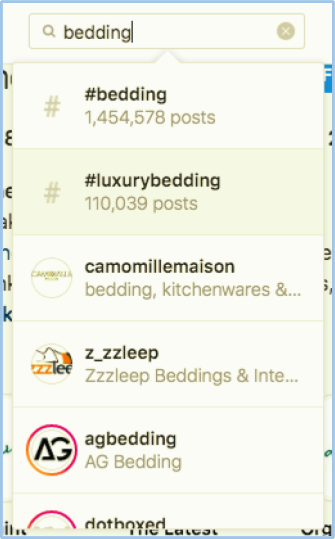
The most basic technique is to use Instagram’s search bar. Enter a keyword relevant to your brand into the search bar.

instagram followers influencer search

Browse through a list of profiles associated with the keyword and if you find a good match, send them a message asking about a potential collaboration.

However, there is one important caveat. The results presented will depend on your profile and how you’ve interacted with Instagram in the past.

This means that if you’ve engaged with cat posts but are now searching for kitchen-related influencers, your results will be different to someone who’s only ever interacted with kitchen posts.

This means that while it’s a workable technique, it’s not the best out there.

Option Two: Use Google Search

Go to your Google search settings and set your location results to your preferred location or global.

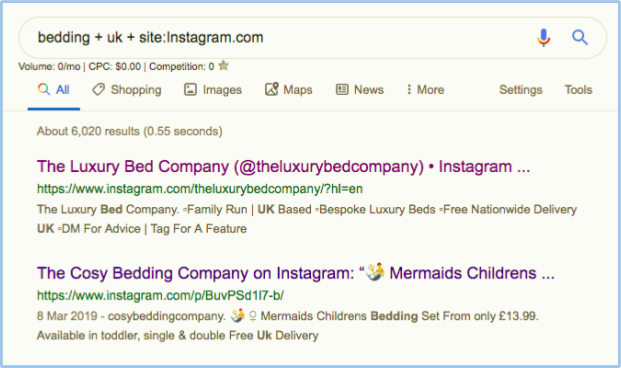
Then enter the following search term into Google:

[Your Niche Keyword] + [Your Target Location] + site:Instagram.com

You should see a page that looks like this:

finding instagram influencers

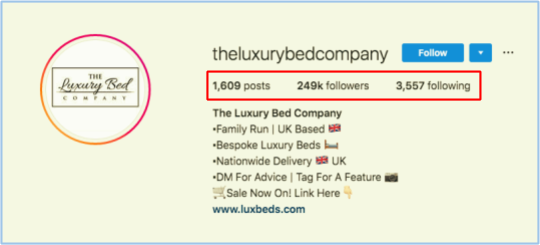
Click the profiles and check them out. The first one in my example above is a luxury bed company with almost 250,000 followers, which isn’t bad for a couple of minutes of research.

If you decide that they are a good fit, send them a message and chat about possible partnerships.

How to find instagram influencers

Option Three: Pay an Agency

If budget isn’t your primary concern, you can hire an influencer agency. They will research, find, and negotiate with influencers on your behalf. There are tons of agencies around and you can find them by performing a search on Google for “Influencer Agency.”

Just be prepared to pay for it.

If you’re keen, you can learn more about influencer marketing here.

Tip 3: Increase Instagram Followers with User-Generated Content

People are more likely to buy based on the recommendations of a friend or family.

This is the reason why user-generated content (UGC) is so successful.

UGC is content that is created by your users or customers about your brand.

Because it’s not paid for by the brand, it’s perceived to be much more authentic and trustworthy than other kinds of paid advertising.

The statistics support UGC, showing that three-quarters of people trust content that is shared by regular people rather than by brands, and 100% of consumers trust recommendations from others.

By creating a brand hashtag for your UGC campaign, you can encourage your customers to showcase how your products are used.

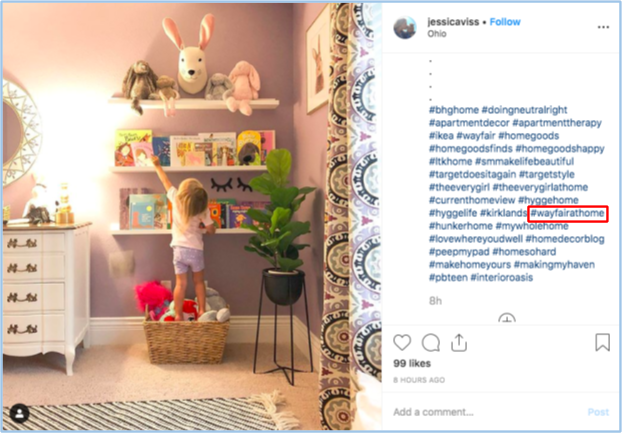
Take the online furniture store Wayfair’s UGC campaign.

After purchasing items from Wayfair and setting them up at home, customers post pictures of their new furniture and add the simple hashtag #WayfairAtHome.

The result looks like this:

Instagram-followers-UGC (1)
Photo credit to jessicaviss


Tip 4: Increase Instagram Followers with Hashtags

Instagram acts like a search engine, but instead of keywords, it uses hashtags to rank your content.

Let’s take a brand like Lululemon, for example.

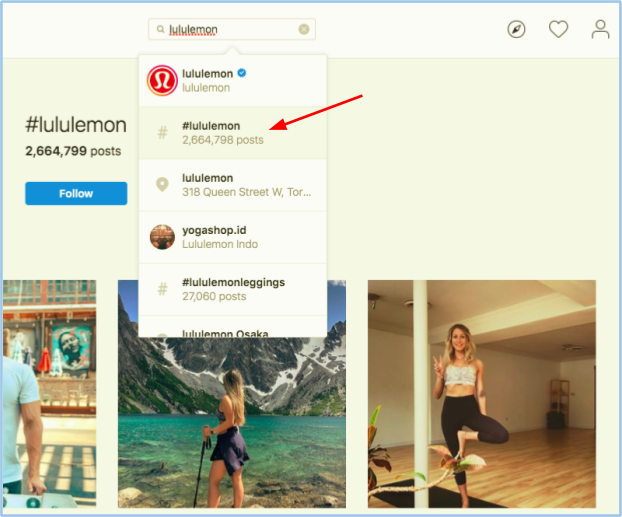
Enter Lululemon into the search bar and you’ll find more than 2.5 million posts using the hashtag.

instagram followers tag example

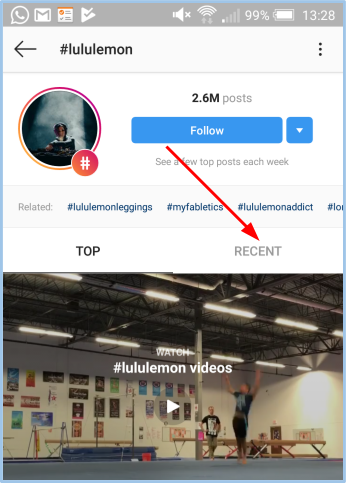
Click on #lululemon and you’ll see the Top Posts (the most popular posts with that hashtag) and the Recent Posts.

It’s not easy to get into the Top Posts, especially when you’re targeting a highly competitive term, but there are a couple of hacks.

When your post lands in Recent Posts, if your post is well-considered, engaging, and appeals to your audience, then you’re likely to get comments and likes.

instagram followers recent posts

If your post works really well and gets lots of attention, then it can be potentially pushed up into the Top Posts section.

I’m not saying this is easy, but it is possible, especially if you consider your hashtag selection to make sure it’s popular.

Let’s consider the other side of this coin.

If you don’t use hashtags, your brand won’t be found and your carefully curated post will have gone to waste. Don’t be that guy.

If you’re wondering how many hashtags to use, you can use up to 30 in the description of the post. Buffer found that posts with more than 11 hashtags received the most engagement.

As with any kind of marketing, it’s important not to be fake or spammy. In the Instagram community, this means using #hashtags that are relevant to your post.

Here’s how to find popular, relevant hashtags on Instagram:

  1. Create an Iconosquare account
  2. Connect your Instagram account
  3. Use the search bar to enter one hashtag that you are considering

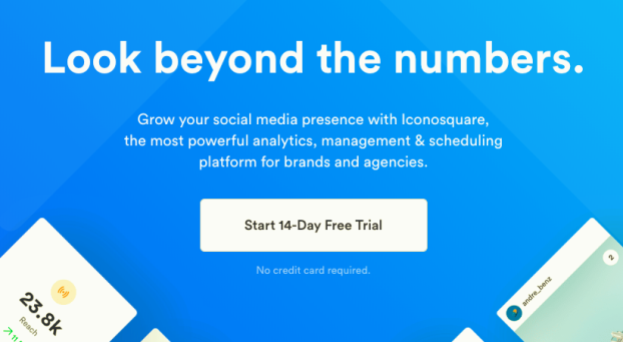
instragram iconosquare

Once you’ve completed the above steps, Iconosquare will let you know how many posts use that hashtag, plus offer relevant suggestions.

Create a spreadsheet of your findings so you can easily refer to them at a later date.

Tip 5: Increase Instagram Followers with Contests and Giveaways

An Instagram giveaway or contest is a promotion in which brands give away a product or service according to a specified set of criteria.

When done well, it is a great way to get more likes, followers, and shares for your brand.

But there’s a caveat. It’s not a deal-breaker, but it is worth considering at the outset.

As the primary driver is the interest in free or cheap prizes, the quality of a user won via a contest or a giveaway and their willingness to pay may be lower than other users.

#1 Choose the Prize

It goes without saying that you need something to give away. It needs to be something that your audience will love, whether it’s a gift card, an experience, or one of your products.

#2 Collaborate

Next, the best giveaways are done in collaboration with other Instagrammers. If you can, try to collaborate with an influencer (or two) or with some of your most active followers.

Getting your audience involved right from the get-go is a great way to skyrocket your campaign.

#3 Decide on the Entry Criteria

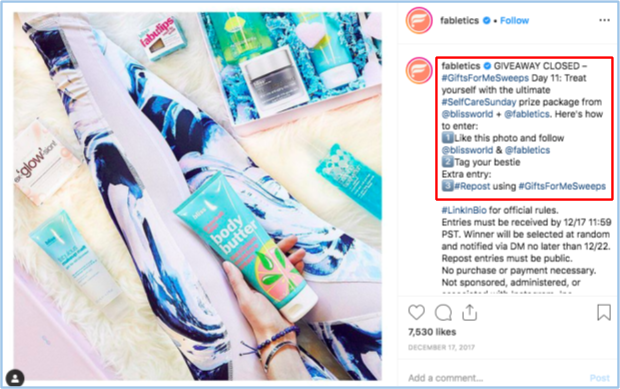
Create a strategy for what you’d like your users to do in order to get a chance to win. For instance, to be entered into the draw, they might need to do the following:

  • Like your photo: More likes on a post could mean you land in the coveted Top Posts spot.
  • Follow your account: To state the obvious, this will help you increase your following.
  • Repost your image with an @mention: Get seen by a wider audience and generate more engagement.

Or is it a combination?

There’s no rule, but the key is to make sure the criteria align with your business goals.

Instagram-followers-contests
Photo credit to Fabletics

#4 Choose the Contest Length

You can run your contest for as long as you like. If you’ve got a large audience then a shorter period might suffice, while smaller brands might allow a week to ten days to ensure enough interaction.

#5 Design the Post

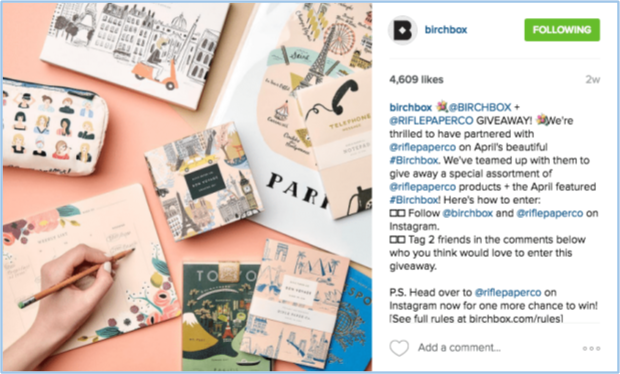
Create a beautiful, highly shareable post for the giveaway. It needs to include clear instructions on how to enter, what needs to be done, and what’s up for grabs.

instagram-followers giveaway example
Photo credit to Birchbox

#6 Set Reminder Posts

Don’t publish the giveaway post and forget about it. To get the most interaction out of it, create multiple reminder posts throughout the period of the giveaway.

#7 Spread the News about the Winner

Once the contest has finished and the winner has been picked, shout the winner from the rooftops. This is another great opportunity to get positive feedback for your brand and capitalize on the goodwill of the contest.

Now It’s Your Turn

Now I’d like to hear from you.

Which strategy from this post are you going to try first?

Or maybe I didn’t mention one of your favorite techniques to grow your Instagram following?

Either way, let me know by leaving a comment right now.

If you want to learn more, head over to our blog, 7 Tips for Implementing A/B Testing in Your Social Media Campaigns.

Subscribe to
our Newsletter

bloc Newsletter EN

We will process and store your personal data to send you communications as described in our  Privacy Policy.

Article

9min read

Anchoring Bias and Its Effects on Decision-Making

Imagine you’re at a vintage store. After a minute of window shopping, you’re drawn to a fancy silk shirt. You check its price tag, and since you see it’s quite expensive – $150 – you put it back on the rack. However, determined to find something similar and cheaper, you continue with your search, only to find that other shirt prices range between $500-850. What do you do next? You go back to your first find and buy it. Know why? Because of a cognitive bias called anchoring.

Anchoring is the fact that people tend to cling on to the first piece of information (or anchor) they encounter, and let their subsequent actions, such as estimates, arguments, and conclusions, be made in relation to it. Think of it as a shortcut or heuristic our brain takes to speed up the decision-making process.

In the above example, the leading anchor was the $150 price tag, which helped you make a price comparison and conclude that the $150 shirt’s a steal!

Origin of Anchoring Bias

Back in 1974, Kahneman and Tversky conducted a study in which one group of high school students was asked to estimate the result of 1x2x3x4x5x6x7x8, and the other group was asked to calculate 8x7x6x5x4x3x2x1. They had only five seconds to answer.

Now, although the answer to both questions is 40,320, the groups gave different answers. The first group’s median estimate was 512, while the second group’s median estimate was 2,250. What’s the reason behind this big a difference?

Basically, faced with a time limit, participants quickly anchored to the product of the first few numbers of the mathematical expression (1x2x3=6 & 8x7x6=336), which then influenced their estimates: a smaller number for an ascending sequence and a bigger answer for a descending sequence. Ultimately, this experiment proved Kahneman and Tversky’s prediction that people rely on the initial cue to make estimates, even though it may result in an error in judgment.

Examples of Anchoring Bias in Action

Let’s look at how some brands use the Anchoring Bias to appear affordable and increase the perceived value of their products and services.

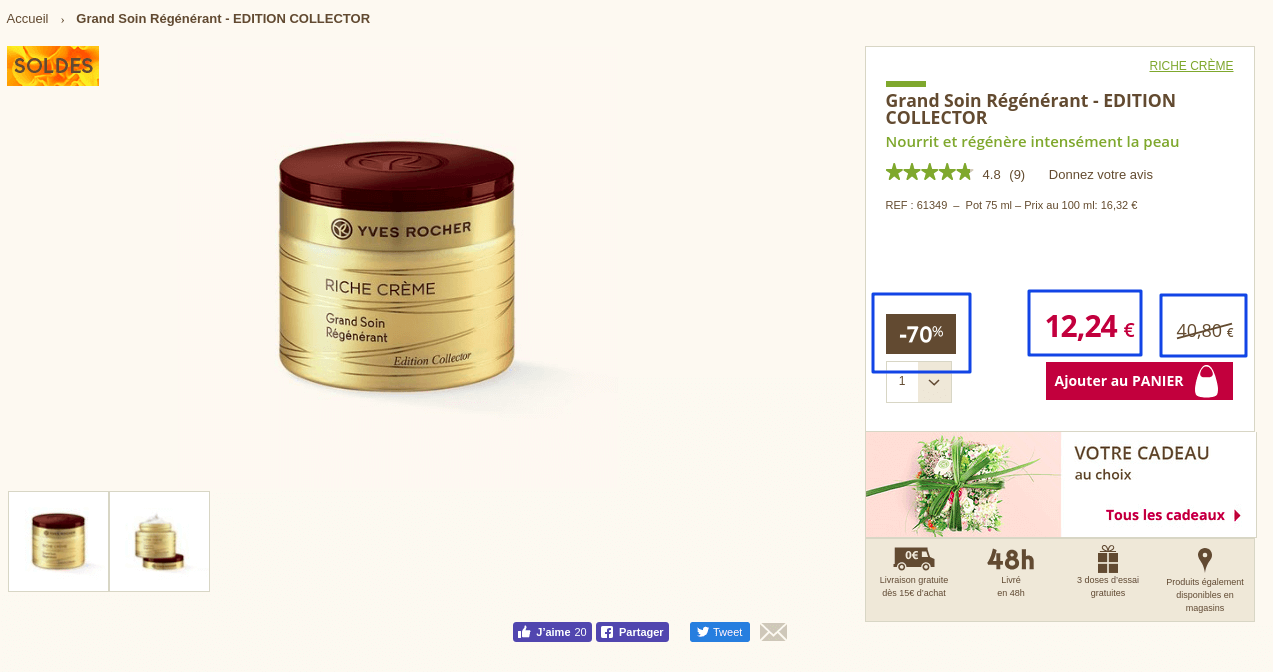
#1: Display Original and Discounted Prices Next to Each Other

We often rely on the price of a product to determine its worth. Expensive products, for instance, are assumed to be excellent quality, stylish, long-lasting, and hence worth buying. And this is exactly the reason why we’re tempted to buy them for much less on sale.

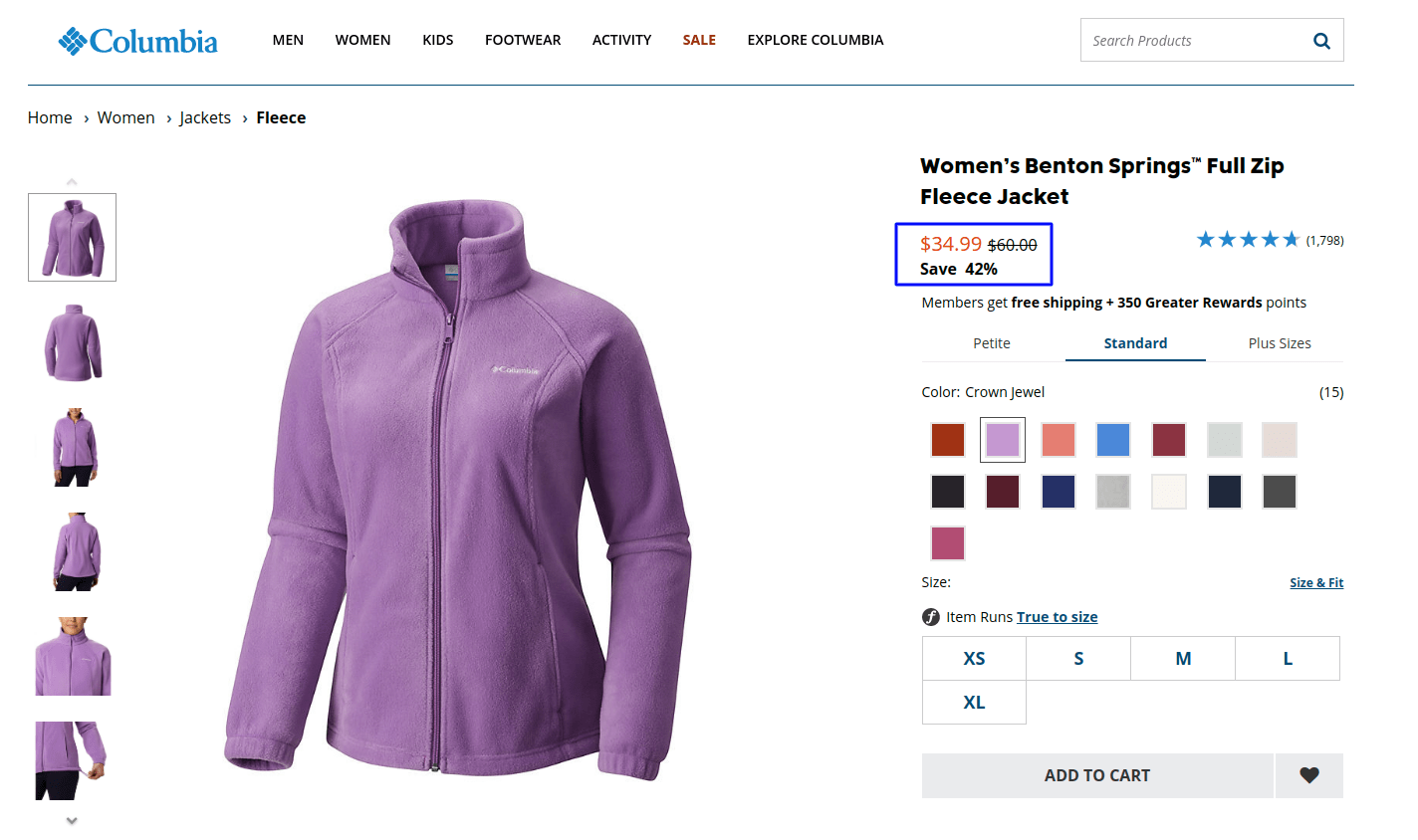
Here’s an example from the Columbia website where the original price is struck off, anchoring users to consider the discounted price as a good bargain.

Price anchoring example
The offer becomes more persuasive with social proof used as a secondary anchor. Source

Note: The Anchoring Effect can backfire if there’s a ridiculous gap between the original and discounted price. For example, wouldn’t you be suspicious if I propose selling you a brand new BMW whose actual price is $45,000, for $8,000?

#2: Offer a Suggestion

Ever noticed transparent donation boxes for various charities at checkout counters in stores and eating joints? How do you decide how much to give? My guess is you’ll look at the most popular bills in the box. After all, with people from behind the counter looking at you, you want to make sure you come across as a person with a big heart and an equally big wallet!

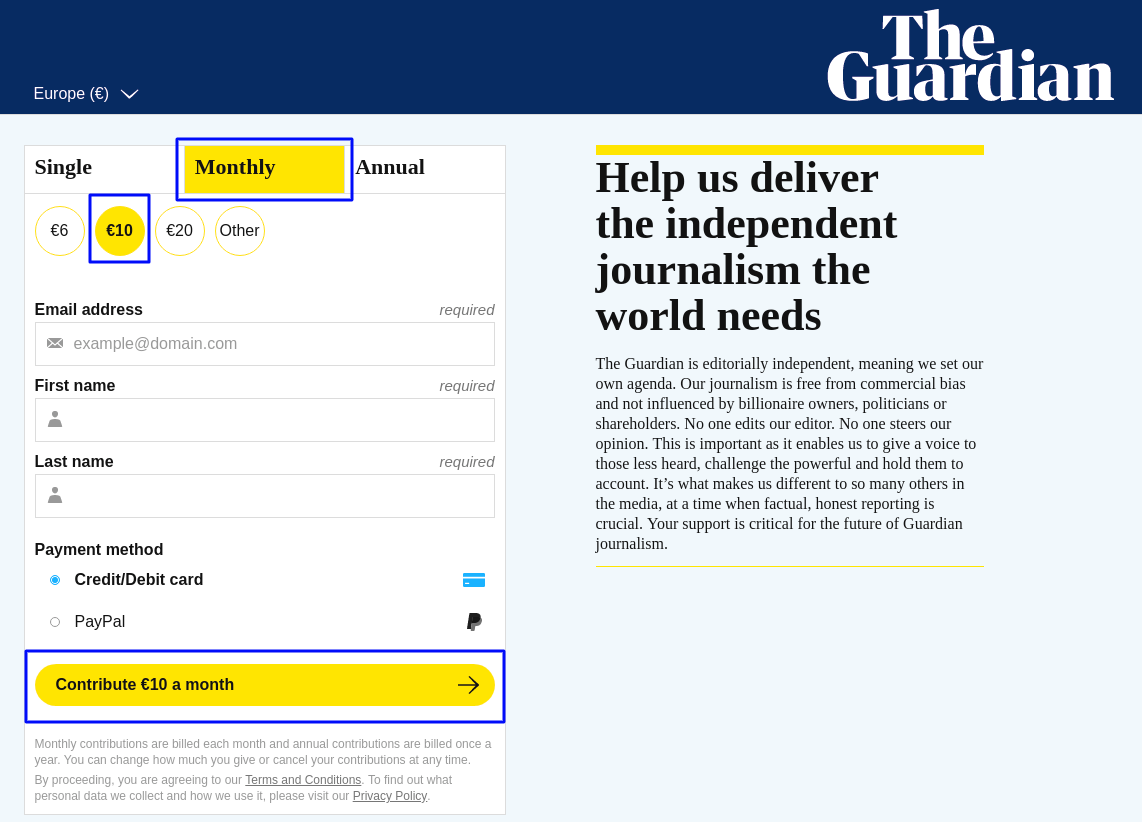
But unlike in the example above, it’s a good idea to take cognitive load off a customer’s mind. Notice how the folks at The Guardian manage that. The default contribution value works as an anchor, hinting it’s a popular option, thus making people conform to it. Whether people donate the recommended amount or not is a different matter, but, at least they have a number to adjust to.

#3: List the Most Expensive Plan First

Agreed it’s not quite the trend, but this Conversion XL study might convince you to change your tactics. Not only did they find out that ordering pricing plans from high to low results in higher revenue, but another of their studies revealed how highlighting a recommended plan results in even greater results.

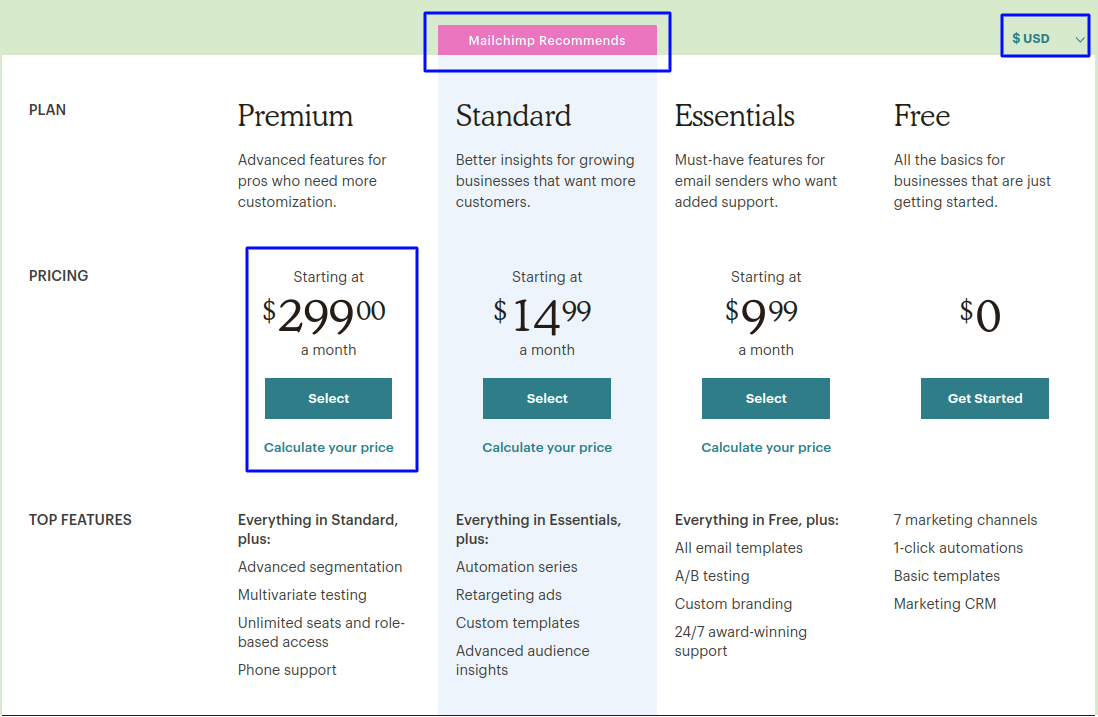
MailChimp does both. Straight off the bat people anchor to the expensive plan, which makes other options more appealing in comparison.

Exampe of pricing anchoring

Another reason this strategy works is the operative rejection-then-retreat technique. Robert Cialdini talks at length about it in his book, Influence. Essentially, you make a larger-then-smaller request so that even if someone rejects it at first, guided by the reciprocity principle, they’ll give in to the next request.

To prove it works, he cites a report wherein billiard table dealers were able to increase the average table sales by 50% by first showing the expensive models and then allowing customers to shop the rest of the collection. Suffice it to say that by organizing your plans from high to low, your prospects are bound to see the mid-price options more favorably.

#4: Leverage Multiple Unit Pricing

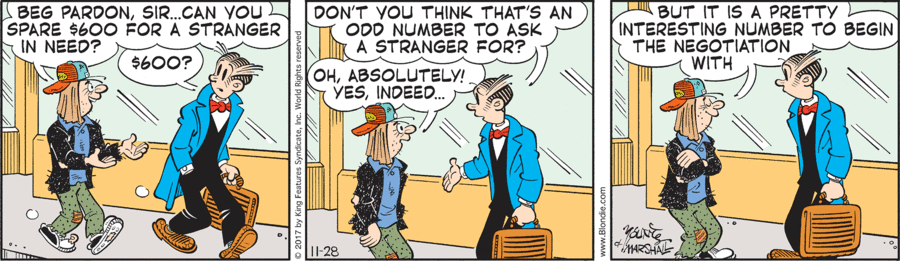
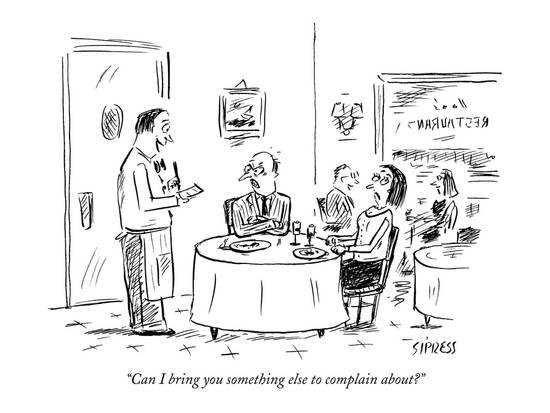
Cartoon about the anchoring bias man begging
Source

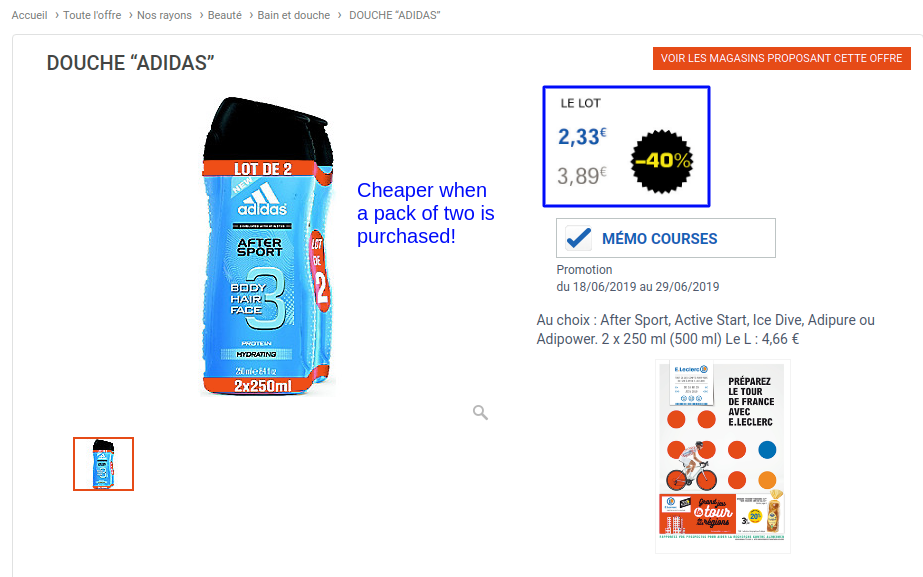
It’s a pricing technique where you offer a lower price per unit if someone buys a product in bulk. For example, a set of three mason jars for $5 instead of $2 for each.

The main purpose is to get people to anchor on the money-saving aspect. It makes the offer tempting and convinces them to buy more units even when they don’t actually need them. Supermarket giants have been capitalizing on this for years. An example from the E.Leclerc website below:

Discount anchoring effect
Buying in bulk is money-saving, something people don’t say no to.

Other Cognitive Biases Used In Conversion Rate Optimization

Bandwagon Effect

People’s tendency to do something merely because others are doing it, irrespective of whether they agree or not, is what psychologists called the Bandwagon Effect.

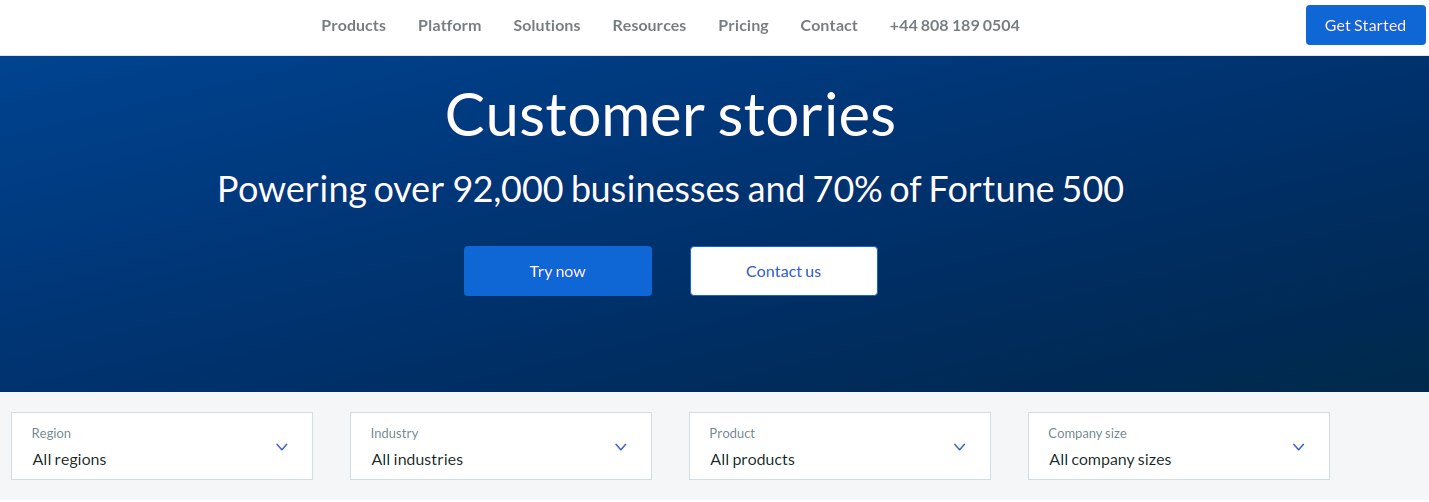
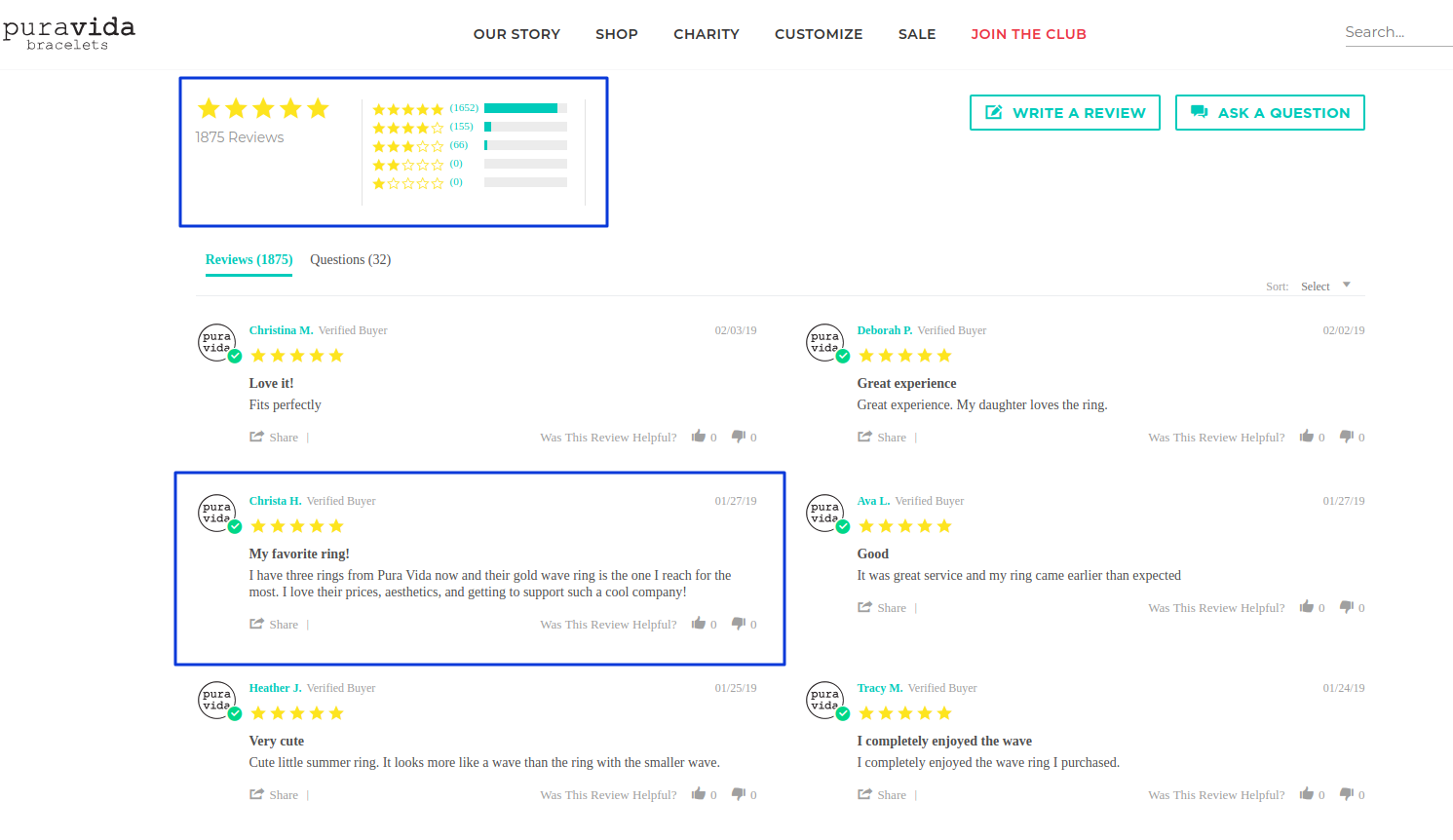
One of the best ways you can harness its conversion optimization benefit is by using social proof on your website. Display how many businesses you cater to, your client names, ratings, reviews, and testimonials to establish credibility and influence prospects to ‘hop onto the bandwagon’. Take a cue from the company Box on how to drop numbers and names.

Social proof example on website
Source

Barnum Effect

It’s a psychological phenomenon whereby people accept vague and generic statements as accurate descriptions of their own personalities, without thinking they could be applicable to other people, too.

You, too, can trigger this bias by personalizing user experience. Your prospects will feel unique and heard, when, in reality, you’re appealing to a whole segment, not one person. Think about personal recommendations based on visitor segmentation.

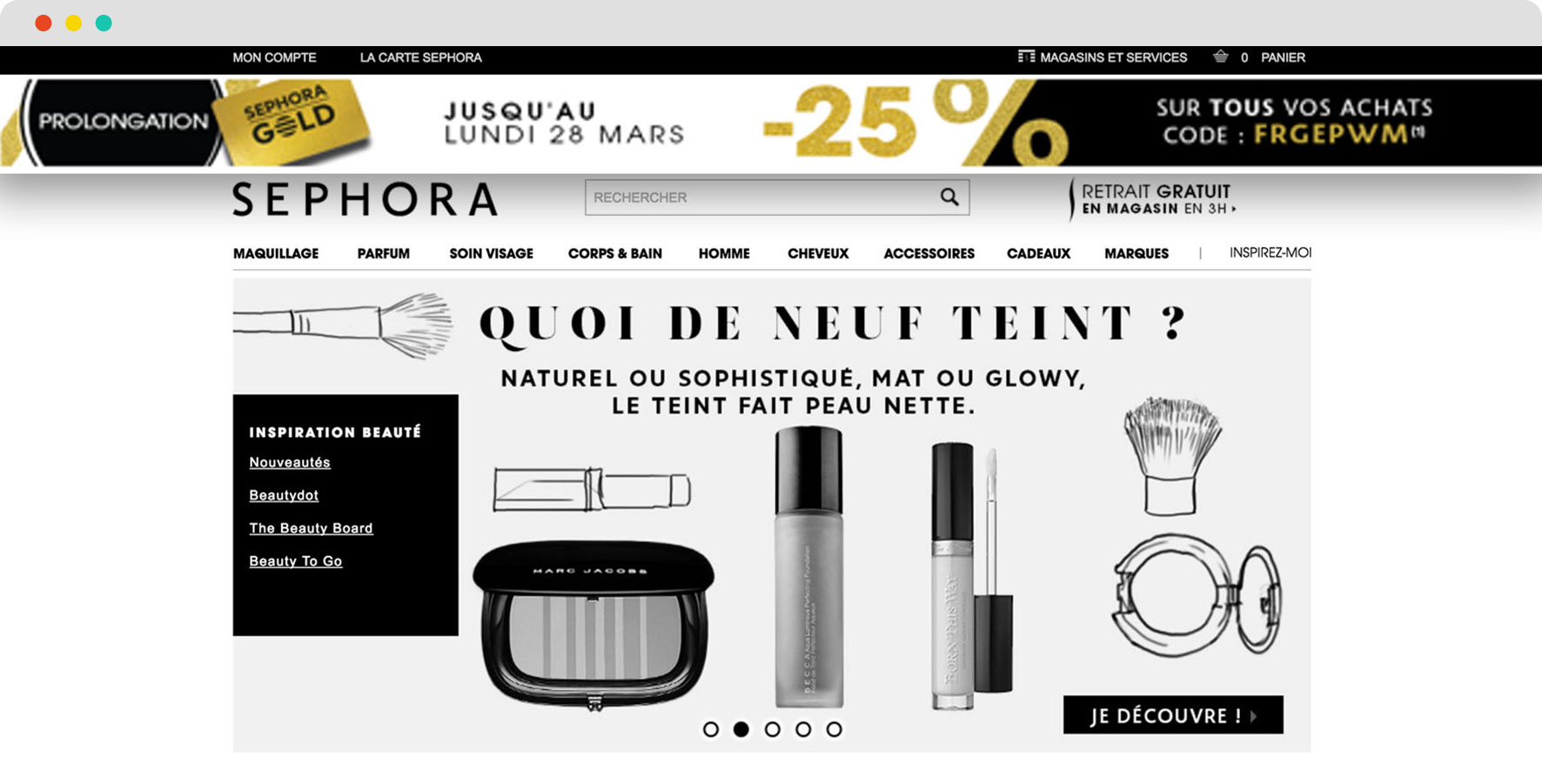
At AB Tasty, we ran a campaign for one of our clients, Sephora, that involved running a personalized, promotional banner exclusively for loyalty card holders. And guess what? The banner led to a 16% increase in transaction.

Sephora use case AB Tasty
Source

Framing Effect

The Framing Effect is a cognitive bias where people make decisions based on how information is presented to them as either a gain or a loss.

Generally speaking, people avoid risk when the option is positively framed, but become more risk-averse when a negative frame is brought into the picture. Why? Since the pain of losing something is felt much more than the happiness upon gaining something.

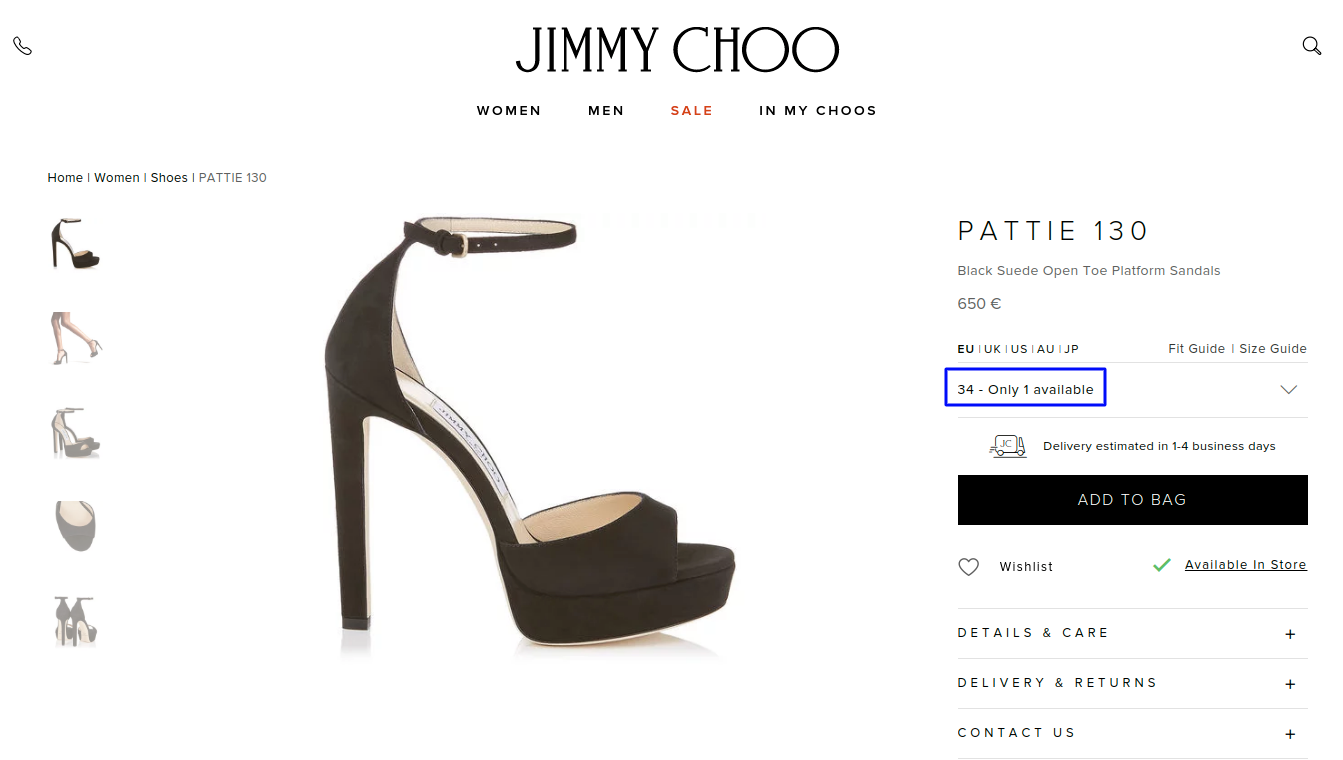
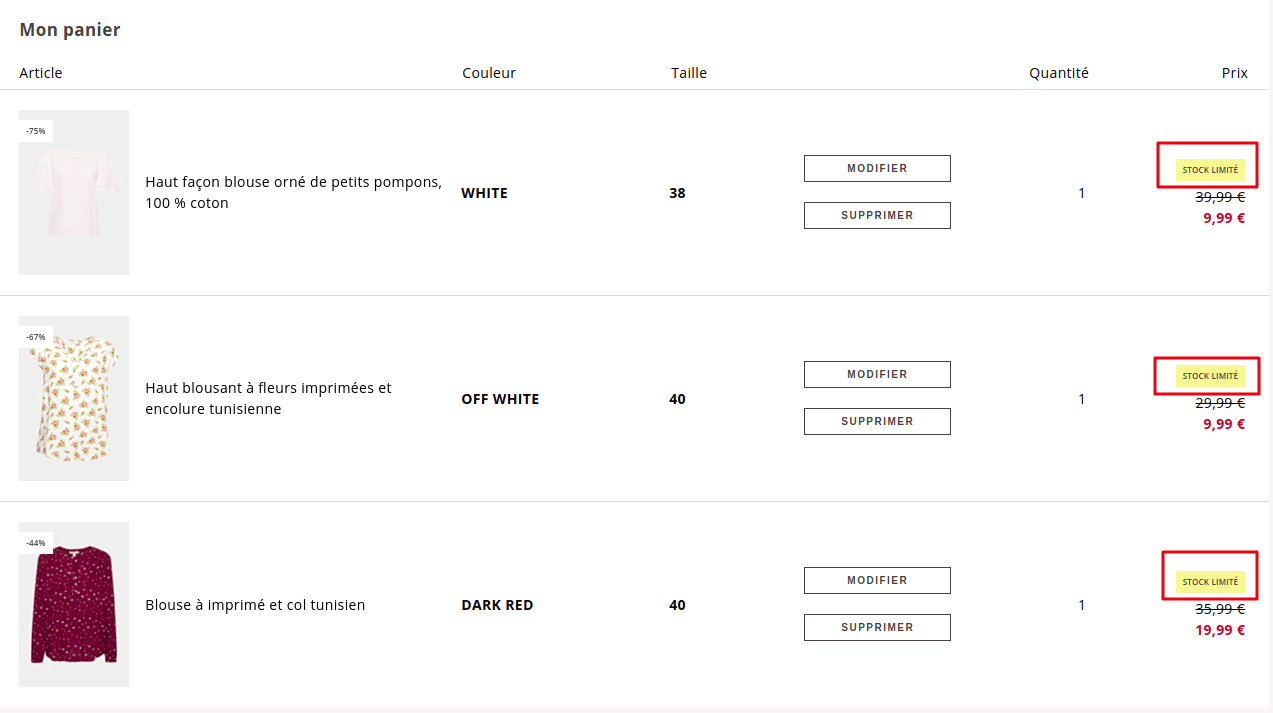
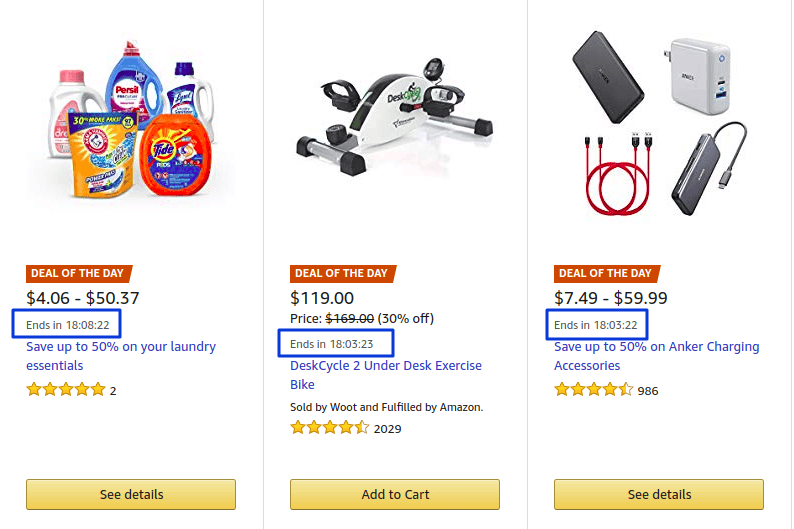
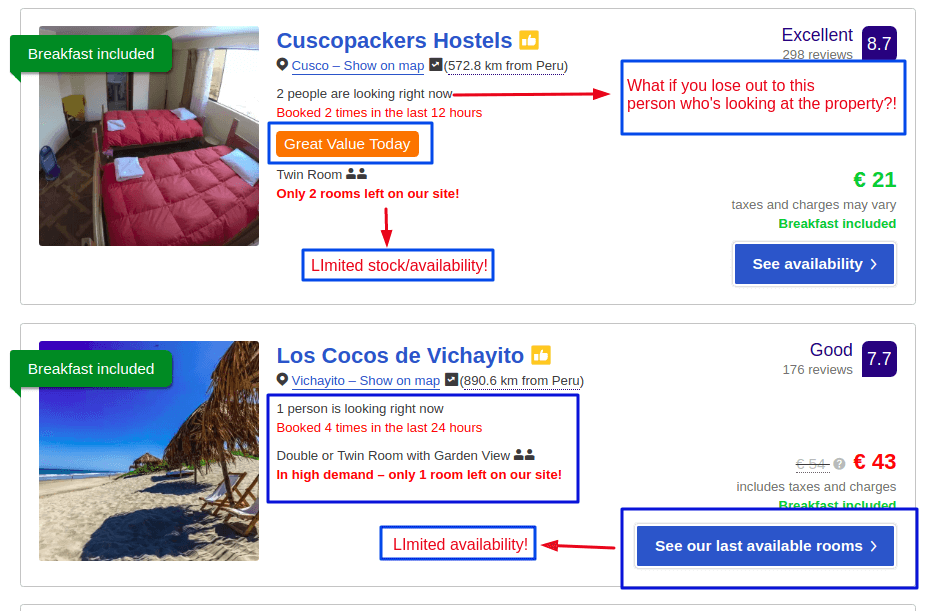
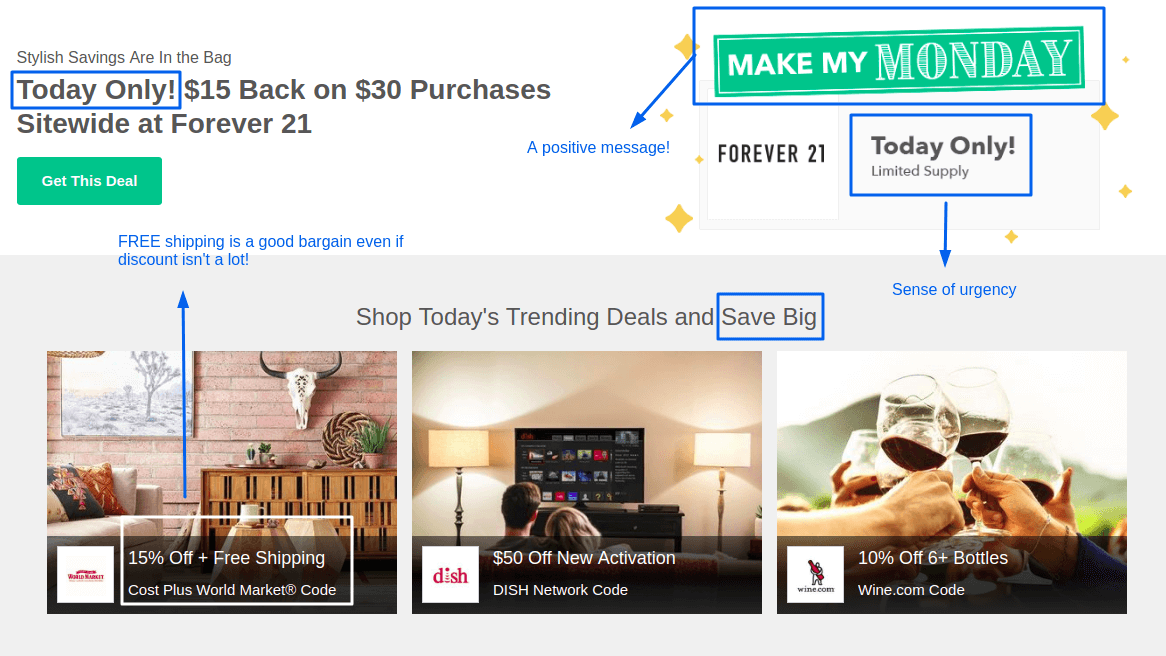
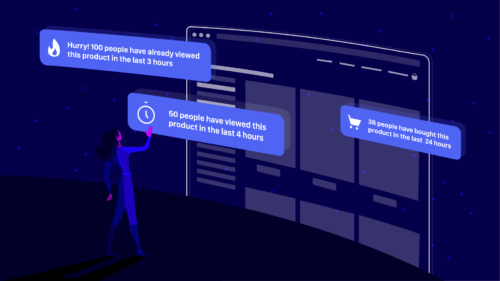
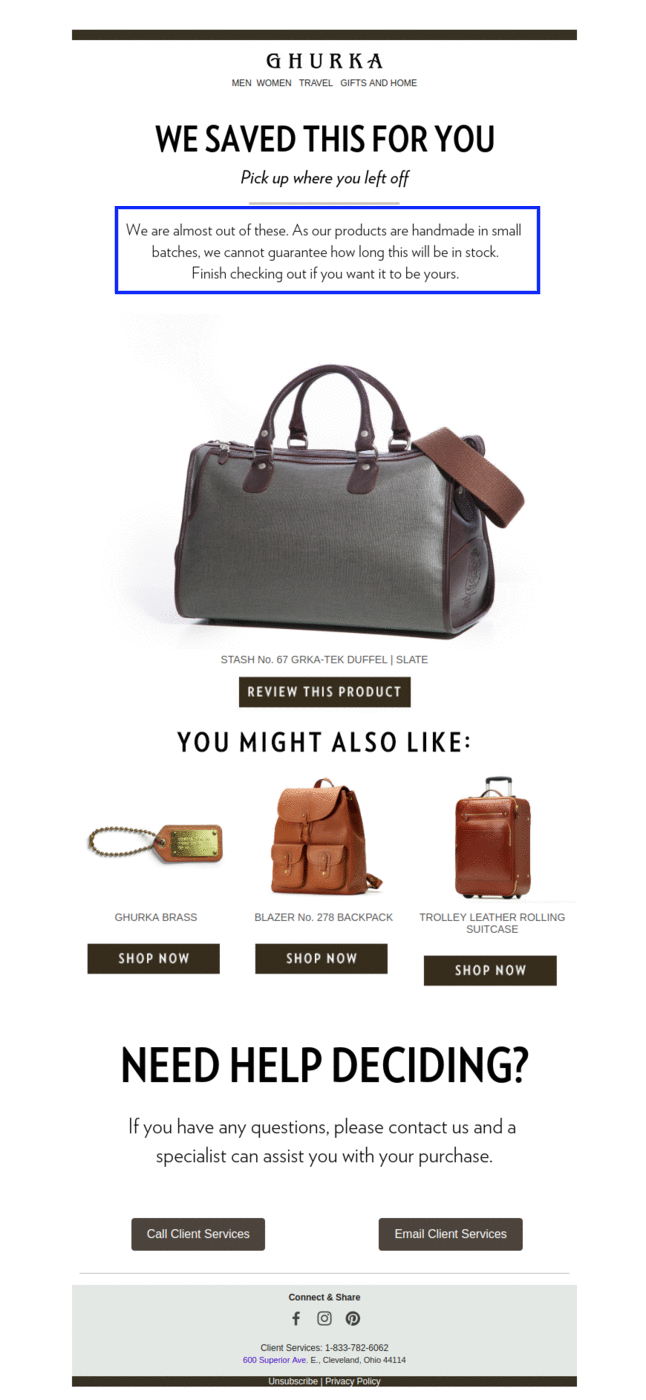
To capitalize on this psychological quirk, use urgency to frame the experience for your visitors. You can shine the spotlight on real-time stock levels, the time ticker, or competition. The intention is for visitors to notice the inevitable loss and avoid it, come what may!

Urgency example e-commerce
Source

Peak-End Rule Effect

Peak-End Rule Effect is a convenient cognitive shortcut our brain takes to recall an experience as good or bad based on how we feel at the peak (when emotions are intense) and at the end of the event.

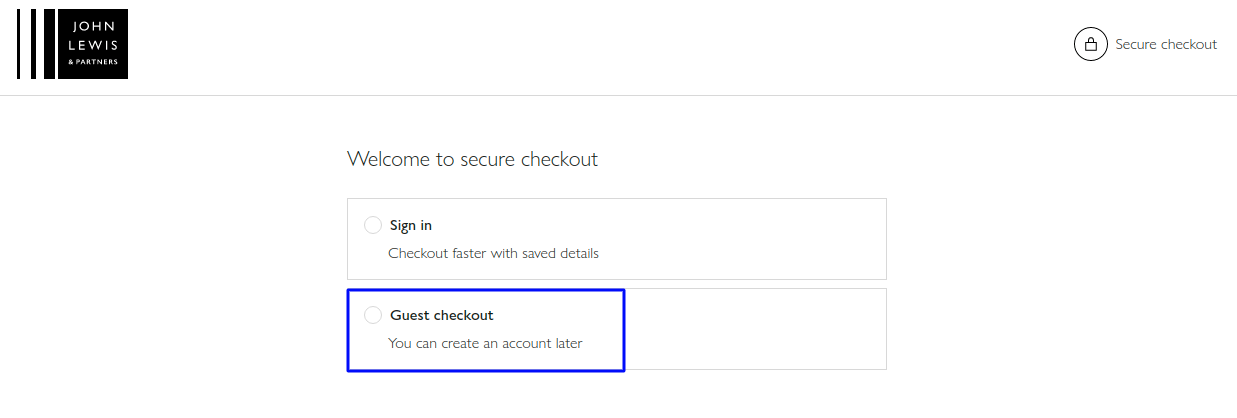
From a CRO point of view, this means the focus should be on creating a user journey that concludes on a high note. For instance, at the checkout stage, don’t force registration, rather give visitors the guest checkout option, to lessen any potential for frustration.

Barnum effect check out example
Source

Get Ready To Trigger Anchoring Bias

It’s an excellent psychological tactic to boost your product’s perceived value and influence buyers’ decision-making journey. But first, you’ll need to create anchors that spark a favorable response from your consumers. You may not perfect it in one go, which is why it’s recommended you never stop A/B testing.